Tell us about the job
Takes about a minute. No obligation.
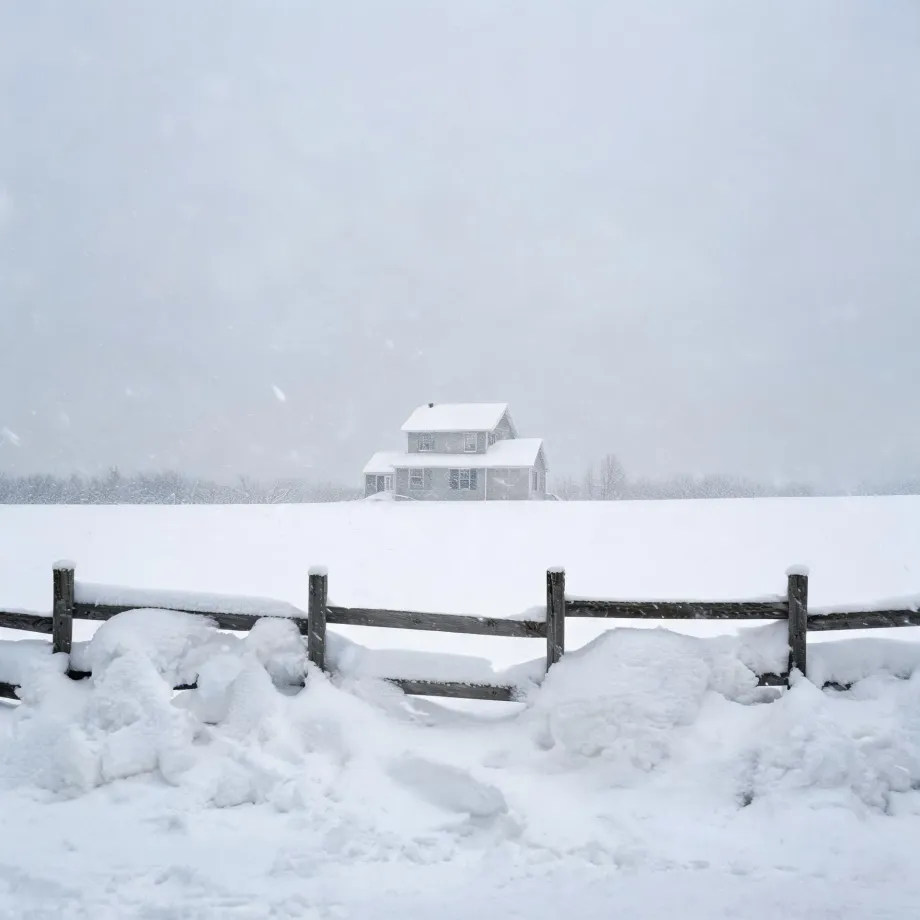
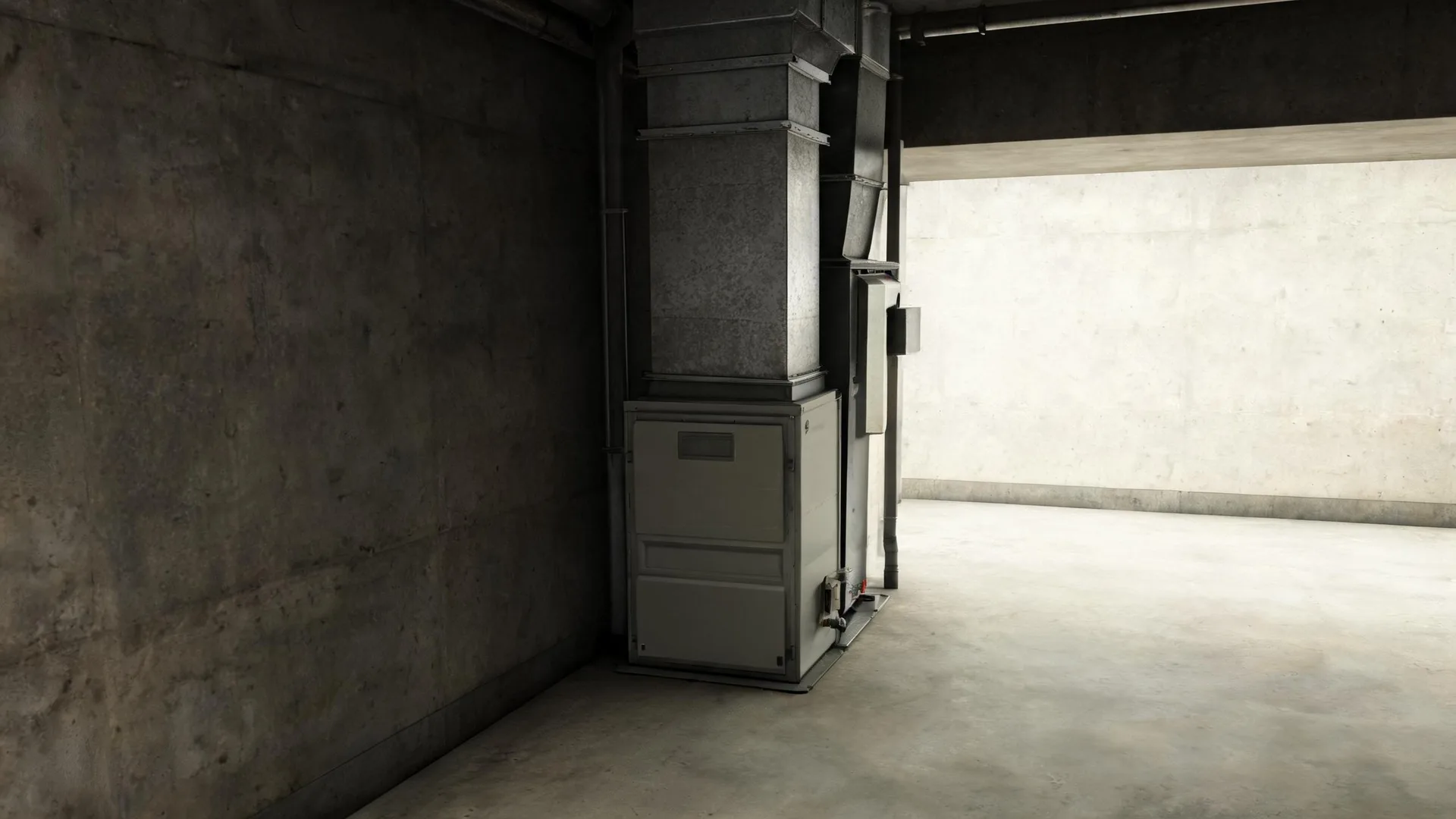
The burner and heat exchanger in a Barton County furnace cycle hard across a long heating season, and that repeated stress shows up in cracks, soot buildup, and weakened ignition contacts before it shows up anywhere else. Homes in Barton County, KS run heat about seven months a year, from October through April. A contractor quoting a furnace repair here will pull the heat exchanger for a close look early, because the cycling load concentrates wear there in ways that a quick visual from the front of the unit misses. An igniter that tests borderline may still be a secondary problem.
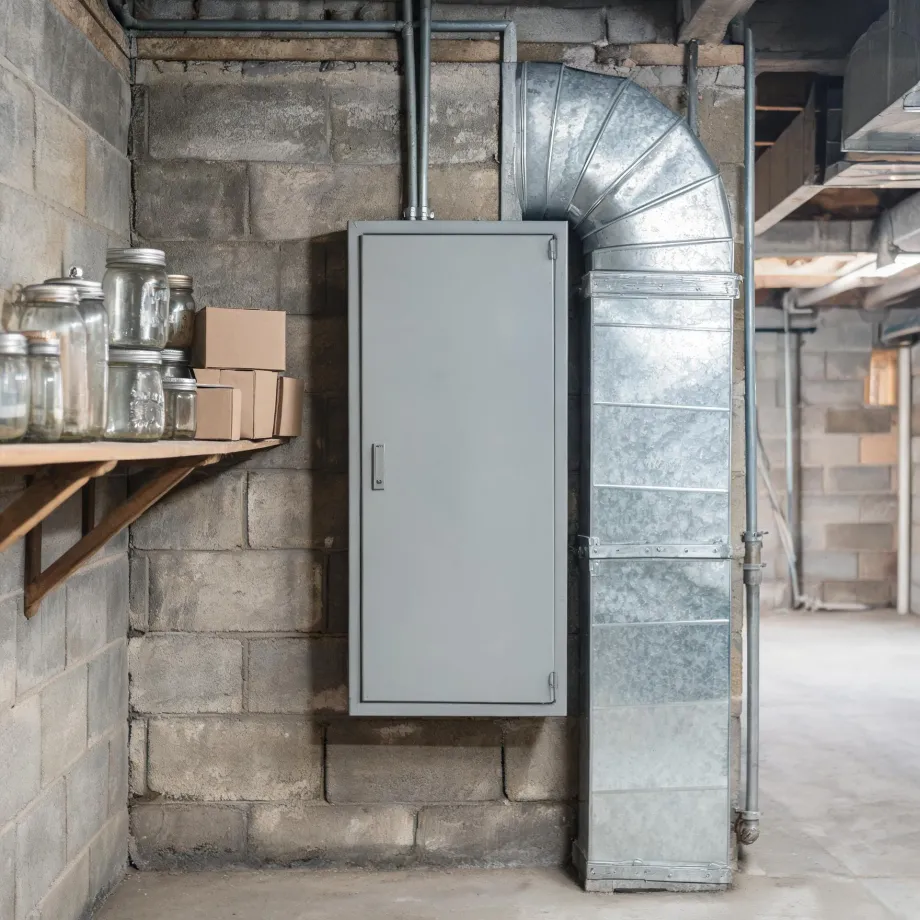
Furnace systems running in houses this old sit far enough from their original build date that the units themselves have turned over at least once, sometimes more. Half the homes in Barton County, Kansas were built in 1959 or earlier (2020-2024 ACS 5-year). A contractor who opens a furnace here and identifies a failed heat exchanger or cracked inducer housing then has to work out whether a replacement part is still in production, or whether what is available fits a housing designed around an earlier spec. That gap between the original construction and the equipment now in it is where repairs get complicated, and it shows up in the quote before it shows up anywhere else.
The Parts of a Furnace a Contractor Checks First
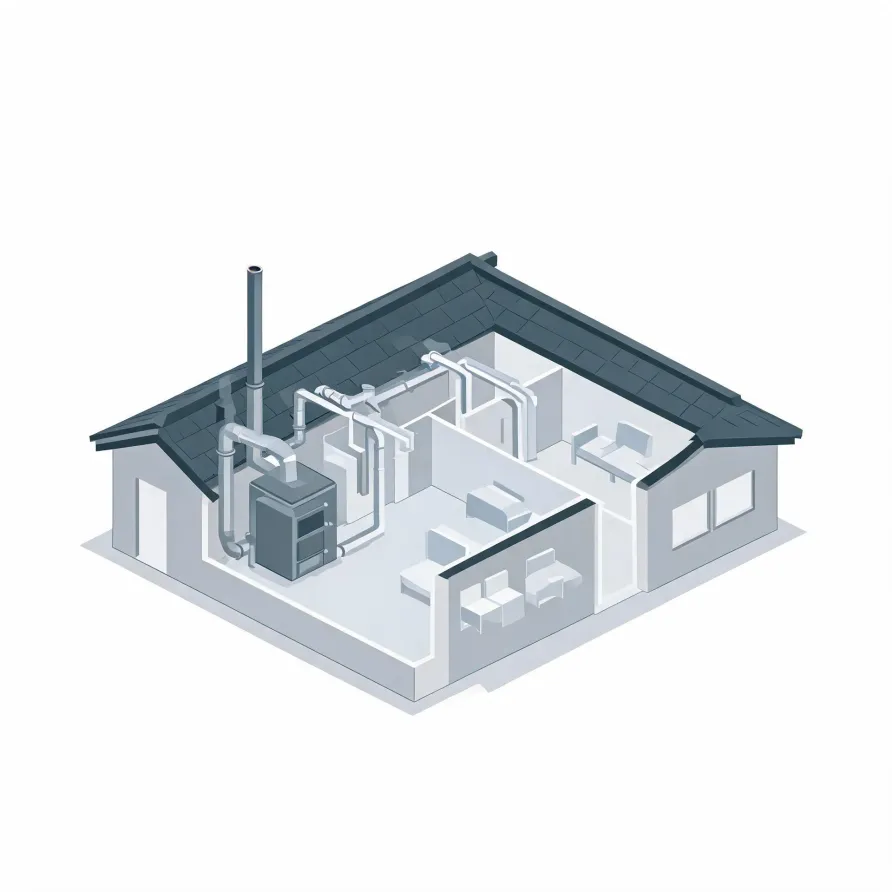
The heat exchanger sits inside the furnace cabinet in the basement or utility closet and is where combustion gases stay sealed away from the air your family breathes. Cracks or corrosion here are a serious find. The burner assembly sits just below it, and when ignition problems or uneven flames show up, that is where a contractor looks.
The blower motor and its fan wheel push conditioned air out through the supply side of the system, and a failed motor or a seized wheel will stop airflow cold. The inducer motor pulls combustion gases out before the burners fire, and the flue pipe carries those gases up and out of the house. The control board ties all of it together, and when symptoms jump around or components stop responding, that board is a common place to start.
The drawing shows the general layout of these components, and a licensed contractor determines which of them applies to the specific system in your home.
Get matched in Barton CountyBarton County, by the numbers
295 severe weather events were recorded in Barton County, Kansas between 2015 and 2024.
NOAA National Centers for Environmental Information, Storm Events Database, bulk CSV export, events 2015-01-01 through 2024-12-31.Half the homes in Barton County, Kansas were built in 1959 or earlier (2020-2024 ACS 5-year).
U.S. Census Bureau, 2020-2024 American Community Survey 5-Year EstimatesBarton County, Kansas holds 12,383 housing units (2020-2024 ACS 5-year).
U.S. Census Bureau, 2020-2024 American Community Survey 5-Year EstimatesOwners occupy 65.2% of the occupied homes in Barton County, Kansas (2020-2024 ACS 5-year).
U.S. Census Bureau, 2020-2024 American Community Survey 5-Year EstimatesFurnace Repair Rules & Standards on Record for Barton County, Kansas4 sourced rules and standards
What the repair visit looks like
Non-weatherized gas furnaces manufactured on or after November 19, 2015 must reach 80.0 percent AFUE.
Non-weatherized oil-fired furnaces manufactured on or after November 19, 2015 must reach 83.0 percent AFUE.
Mobile home gas furnaces manufactured on or after November 19, 2015 must reach 80.0 percent AFUE.
Non-weatherized gas furnaces manufactured on or after December 18, 2028 must reach 95.0 percent AFUE, up from the 80.0 percent minimum that applies to units manufactured before that date.
Severe Weather Events in Barton County
Barton County weather puts real strain on furnace components over time. How hard a system has worked through local conditions shapes what repairs it needs and when.
295 severe weather events, 2015–2024. Source: NOAA National Centers for Environmental Information, Storm Events Database.