Tell us about the job
Takes about a minute. No obligation.
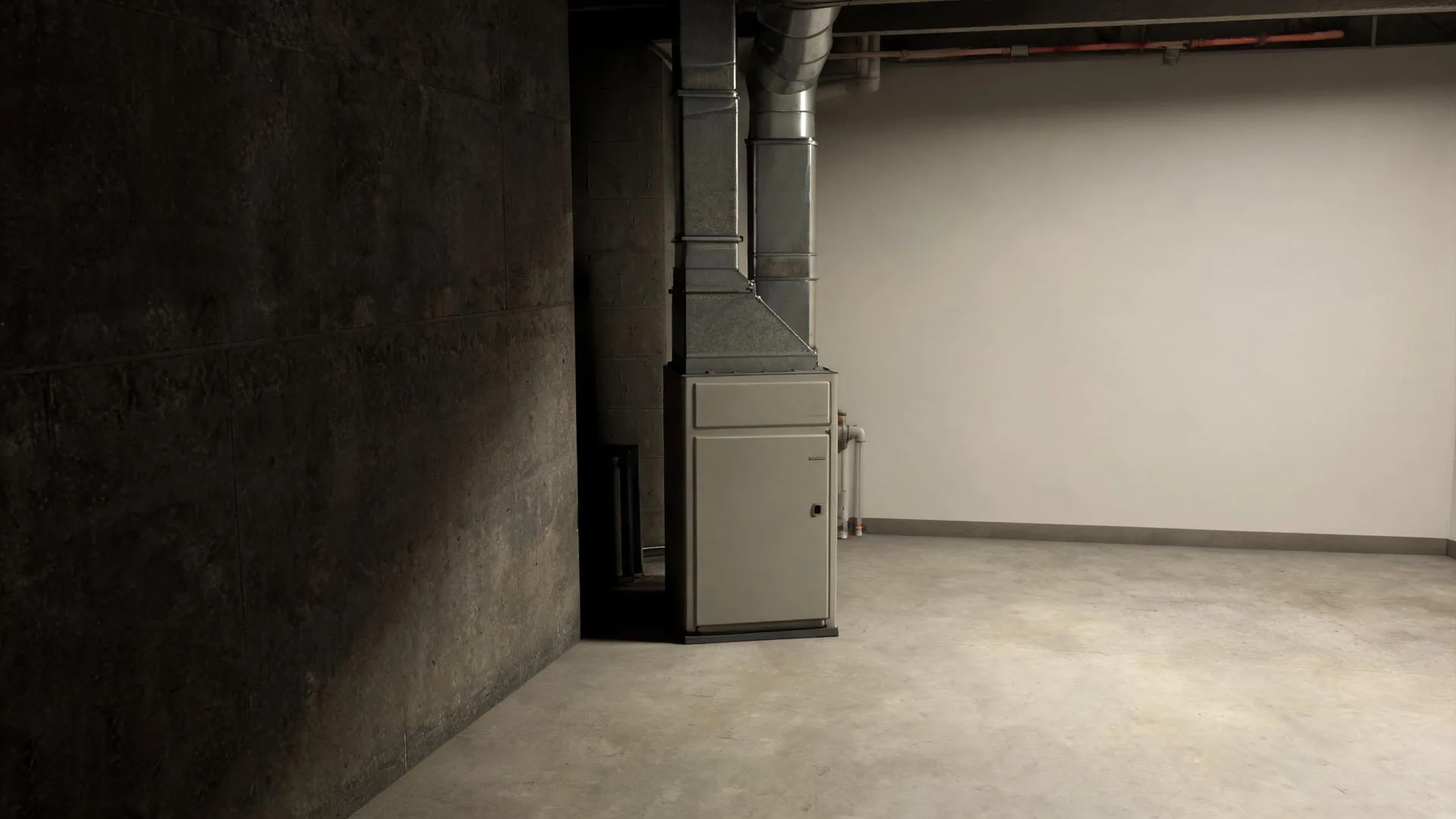
Furnace repair in Russell County starts with the parts that cycle hardest: the igniter, the burner, and the flame sensor. Homes in Russell County, KS run heat about seven months a year, from October through April. Across that stretch, the igniter fires every time the thermostat calls for heat, and in a cold Kansas winter that happens many times a day. Igniters crack, flame sensors coat with residue, and burner assemblies accumulate carbon in ways that only show up under load. A contractor doing a repair here checks those components before moving on to the heat exchanger, because that is where the wear concentrates first.
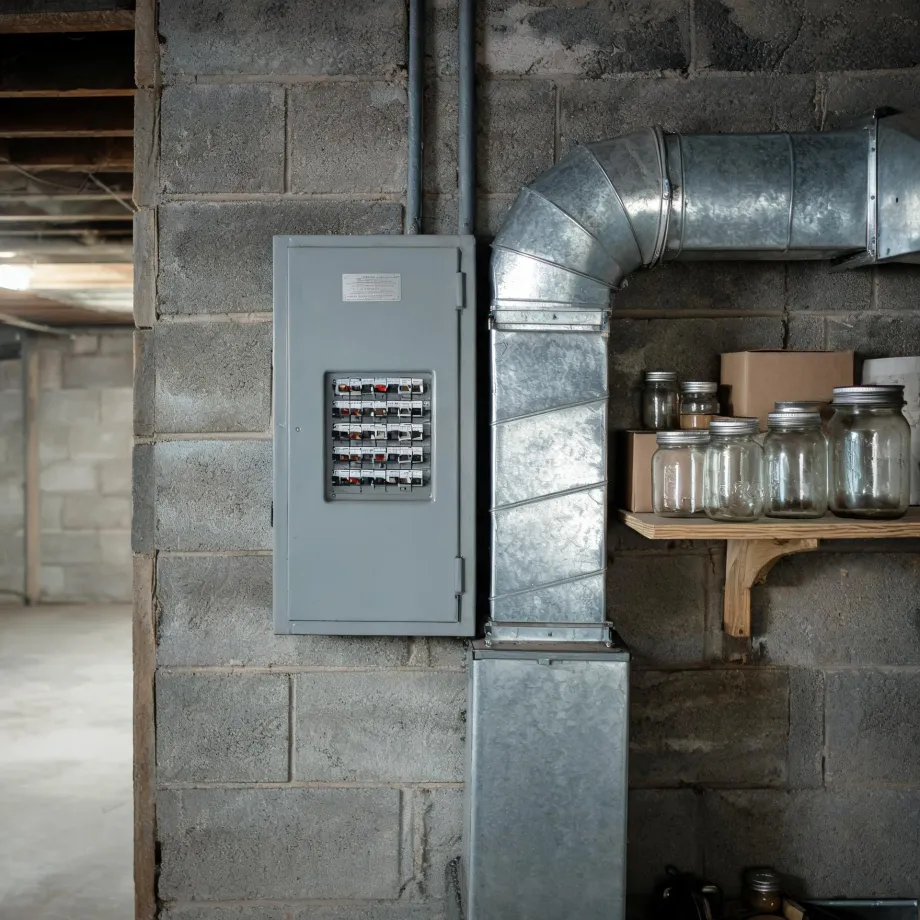
Ductwork routed for equipment that was pulled out and replaced years ago still runs through the walls of a large share of Russell County homes. Half the homes in Russell County, Kansas were built in 1957 or earlier (2020-2024 ACS 5-year). When a furnace in that stock is opened for repair, what a contractor finds inside can be a system that has been pieced together across multiple service calls, with components that do not share a manufacturer or a generation. Parts sourced for that kind of assembly take longer to identify and are sometimes no longer in production, which changes both the timeline and what the contractor recommends.
The Parts of a Furnace a Contractor Checks First
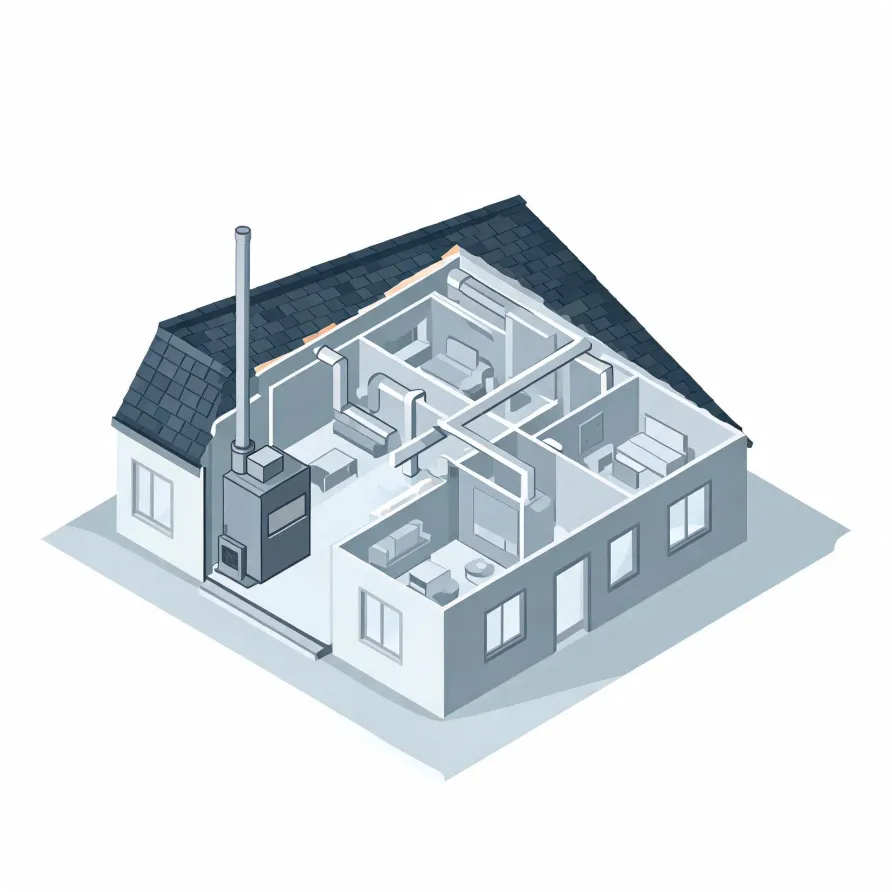
The heat exchanger sits at the core of the furnace cabinet and is where combustion heat passes into the air supply. When it cracks or corrodes, exhaust gases can leak into living spaces, so it is one of the first things a contractor examines. The burner assembly, just below it, is where fuel ignites, and misfires or uneven flames point straight to trouble there.
The blower motor and its fan wheel sit in the lower section of the cabinet and push conditioned air out through the supply side of the system. The inducer motor pulls combustion gases toward the flue before ignition begins, and the control board ties the sequence together, so a failed board can mimic almost any other fault and draws close attention during diagnosis.
The drawing shows a typical furnace layout, and a licensed contractor determines which components apply to your specific equipment and situation.
Get matched in Russell CountyRussell County, Kansas, by the numbers
249 severe weather events were recorded in Russell County, Kansas between 2015 and 2024.
NOAA National Centers for Environmental Information, Storm Events Database, bulk CSV export, events 2015-01-01 through 2024-12-31.Half the homes in Russell County, Kansas were built in 1957 or earlier (2020-2024 ACS 5-year).
U.S. Census Bureau, 2020-2024 American Community Survey 5-Year EstimatesRussell County, Kansas holds 3,674 housing units (2020-2024 ACS 5-year).
U.S. Census Bureau, 2020-2024 American Community Survey 5-Year EstimatesOwners occupy 75.1% of the occupied homes in Russell County, Kansas (2020-2024 ACS 5-year).
U.S. Census Bureau, 2020-2024 American Community Survey 5-Year EstimatesCodes & Standards Governing Furnace Repair in Russell County, Kansas4 sourced rules and standards
What Happens When the Contractor Shows Up
Non-weatherized gas furnaces manufactured on or after November 19, 2015 must reach 80.0 percent AFUE.
Non-weatherized oil-fired furnaces manufactured on or after November 19, 2015 must reach 83.0 percent AFUE.
Mobile home gas furnaces manufactured on or after November 19, 2015 must reach 80.0 percent AFUE.
Non-weatherized gas furnaces manufactured on or after December 18, 2028 must reach 95.0 percent AFUE, up from the 80.0 percent minimum that applies to units manufactured before that date.
Severe Weather Events in Russell County
Weather extremes put direct strain on furnace components, and equipment that runs hard through rough conditions wears faster and fails sooner. How often that pressure shows up in Russell County shapes what local repair work looks like and why.
249 severe weather events, 2015–2024. Source: NOAA National Centers for Environmental Information, Storm Events Database.