Tell us about the job
Takes about a minute. No obligation.
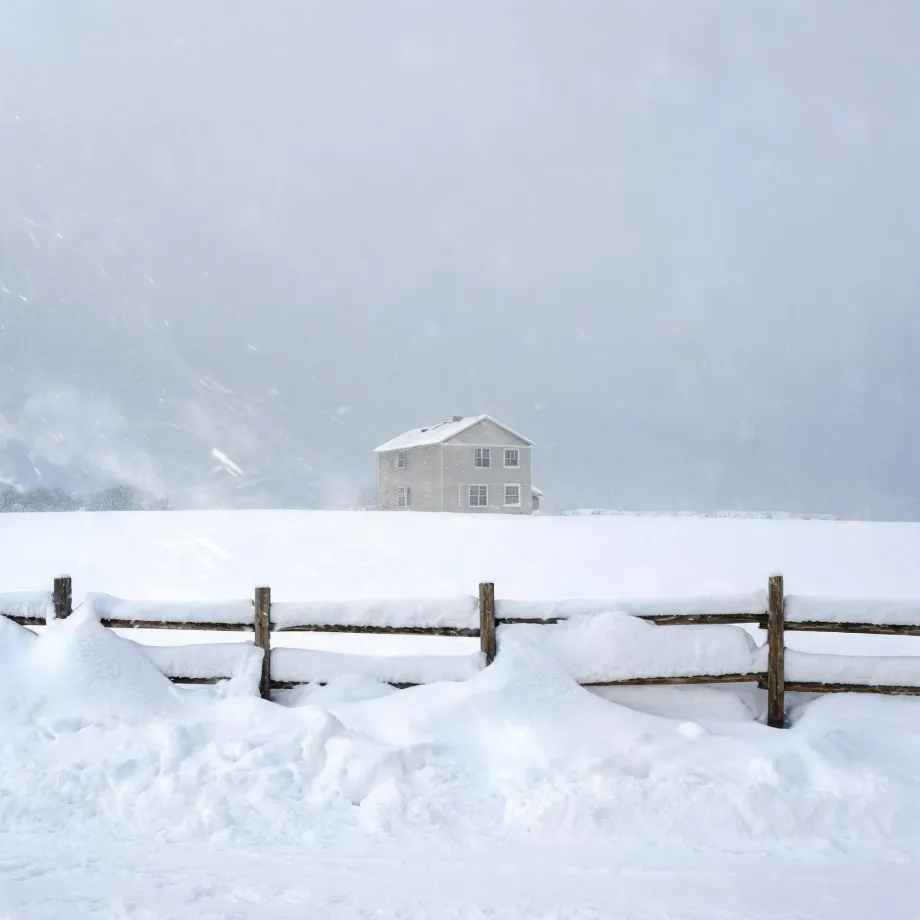
A furnace repair call here starts with the burner assembly and ignition system, because those are the parts that cycle every time the equipment fires. Homes in Anderson County, KS run heat about seven months a year, from October through April. Across that stretch, the heat exchanger flexes with each burn cycle, the igniter degrades from repeated thermal stress, and the flame sensor accumulates residue that eventually causes misfire or lockout. A contractor pricing a repair in Anderson County checks those components first, because that is where the wear lands.
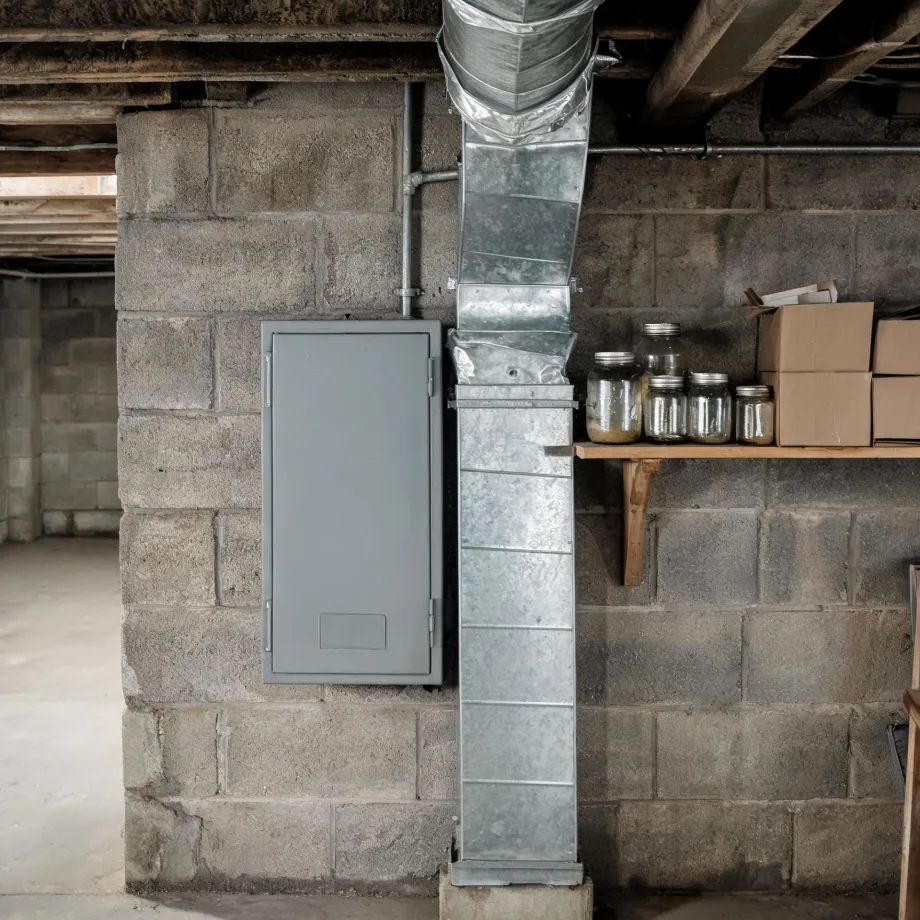
Furnaces in stock this old run on parts that manufacturers have cycled out of their standard lines. Half the homes in Anderson County, Kansas were built in 1964 or earlier (2020-2024 ACS 5-year). When a contractor opens a unit in a house from that era, what determines the repair scope is whether the components it takes are still being made, and if they are, whether a supplier carries them. A heat exchanger or burner assembly that reads as a straightforward swap on a newer system can turn a single-visit repair into a sourcing job here.
The Parts of a Furnace a Contractor Checks First
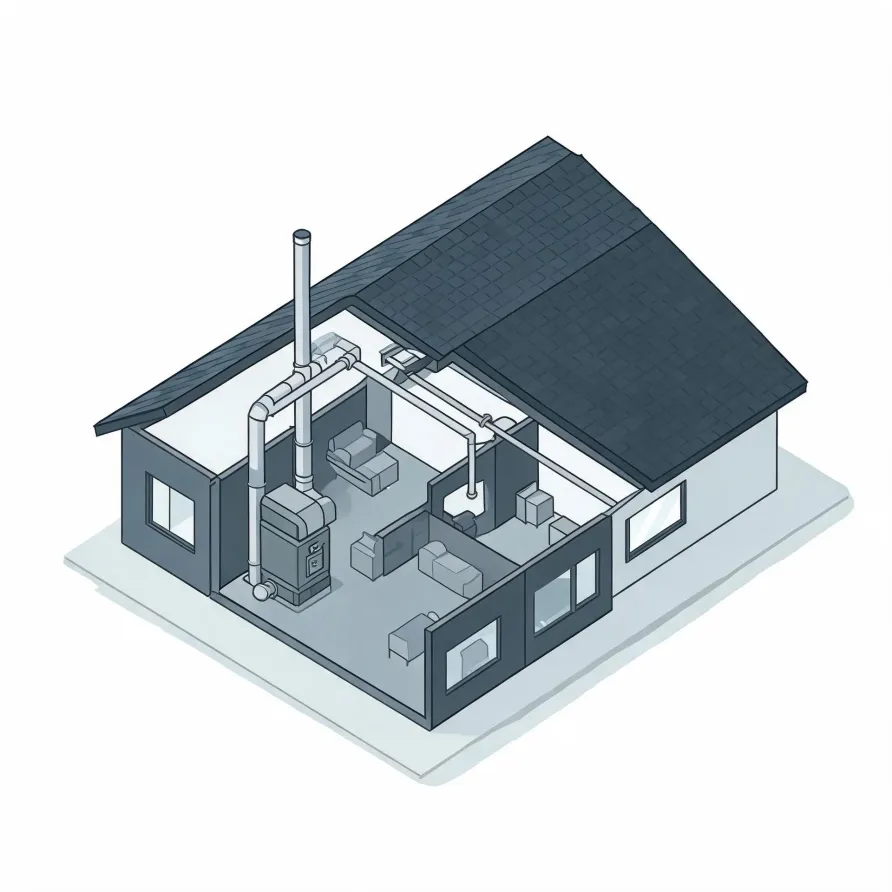
The furnace itself sits in the basement, utility room, or closet and is the piece a contractor goes to first. Inside it, the heat exchanger and burner assembly are the usual suspects when heat stops arriving or arrives wrong. A cracked heat exchanger or a failed igniter will shut the whole system down.
The blower motor moves conditioned air out of the furnace and into the supply side of the house. Close to it sits the limit switch, which watches operating temperature and cuts power when something runs too hot. The flue pipe runs from the furnace to the outside and gets checked when combustion gases are not venting the way they should.
The drawing shows a typical furnace layout, and a licensed contractor will determine which components apply to your specific system and situation.
Get matched in Anderson CountyAnderson County, Kansas, by the numbers
99 severe weather events were recorded in Anderson County, Kansas between 2015 and 2024.
NOAA National Centers for Environmental Information, Storm Events Database, bulk CSV export, events 2015-01-01 through 2024-12-31.Half the homes in Anderson County, Kansas were built in 1964 or earlier (2020-2024 ACS 5-year).
U.S. Census Bureau, 2020-2024 American Community Survey 5-Year EstimatesAnderson County, Kansas holds 3,586 housing units (2020-2024 ACS 5-year).
U.S. Census Bureau, 2020-2024 American Community Survey 5-Year EstimatesOwners occupy 78.9% of the occupied homes in Anderson County, Kansas (2020-2024 ACS 5-year).
U.S. Census Bureau, 2020-2024 American Community Survey 5-Year EstimatesCodes & Standards Governing Furnace Repair in Anderson County, Kansas4 sourced rules & standards
What the Repair Visit Looks Like
Non-weatherized gas furnaces manufactured on or after November 19, 2015 must reach 80.0 percent AFUE.
Non-weatherized oil-fired furnaces manufactured on or after November 19, 2015 must reach 83.0 percent AFUE.
Mobile home gas furnaces manufactured on or after November 19, 2015 must reach 80.0 percent AFUE.
Non-weatherized gas furnaces manufactured on or after December 18, 2028 must reach 95.0 percent AFUE, up from the 80.0 percent minimum that applies to units manufactured before that date.
Severe Weather Events in Anderson County, Year by Year
Kansas weather puts real stress on heating equipment, and Anderson County gets its share of the conditions that cause furnaces to work harder, cycle more, and eventually fail. How often that stress arrives is a local fact, and it shapes how much repair work the equipment in this area actually sees.
99 severe weather events, 2015–2024. Source: NOAA National Centers for Environmental Information, Storm Events Database.