Tell us about the job
Takes about a minute. No obligation.
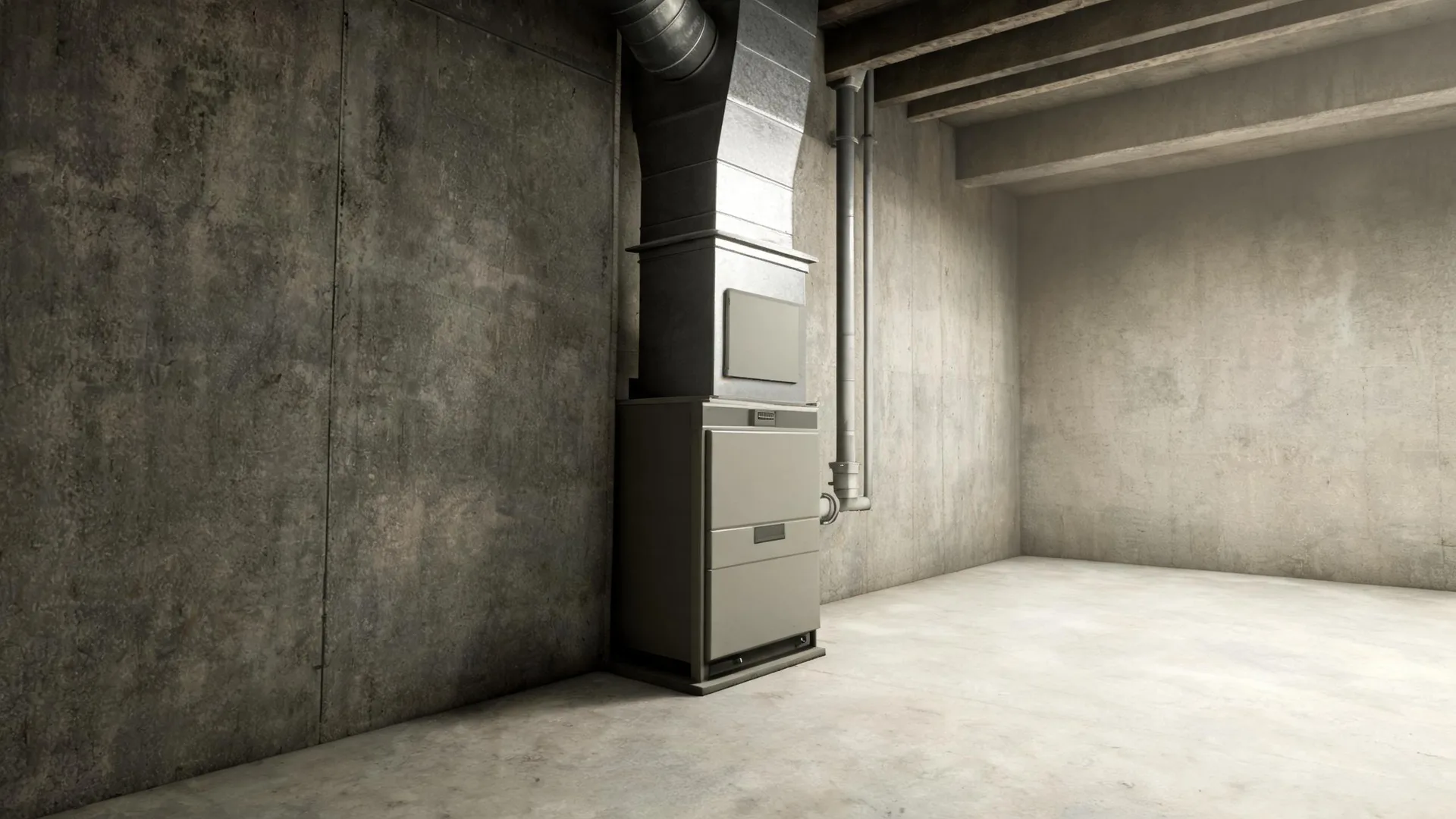
Furnace repair in Allen County starts with the parts that have done the most work. Homes in Allen County, KS run heat about seven months a year, from October through April. The burner and ignition system cycle on and off every time the thermostat calls for heat, and across a season that long, those cycles stack up fast. A contractor diagnosing a problem here checks the heat exchanger for fatigue cracks and the igniter for wear before moving to anything downstream, because those parts absorb the bulk of the load every year. A failed igniter in February looks like a minor fix until the heat exchanger comes apart on the same call.
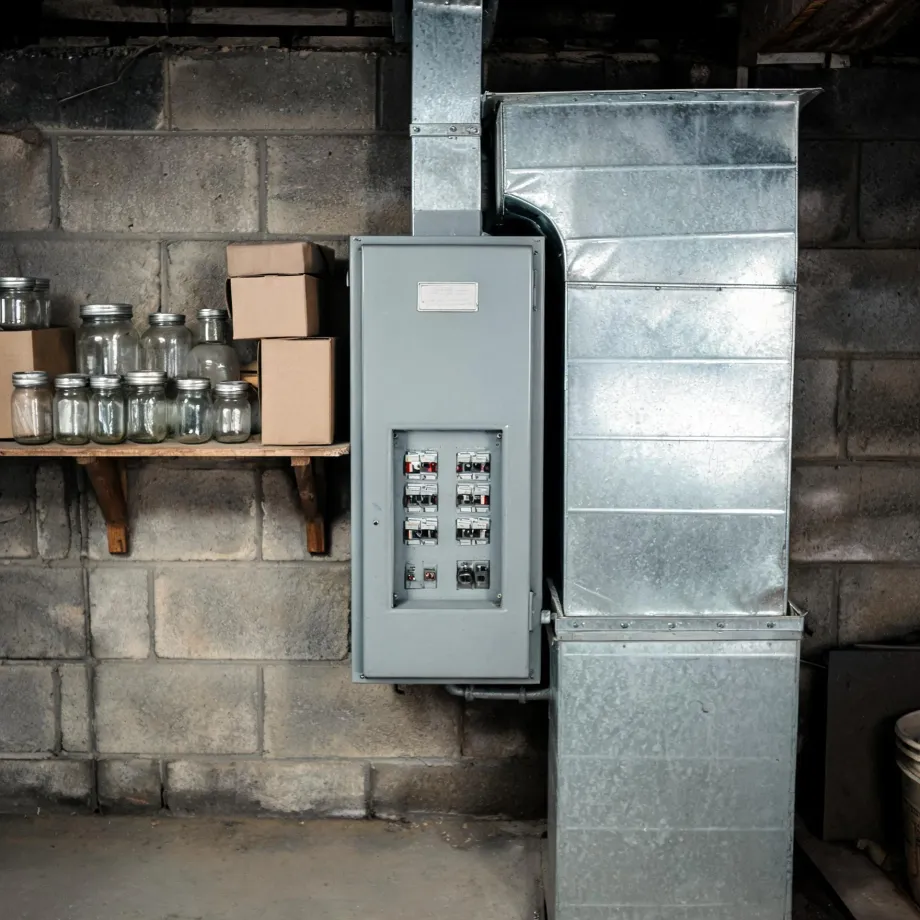
Furnaces in Allen County's older homes have often outlasted the generation that installed them, and the one before that. Half the homes in Allen County, Kansas were built in 1965 or earlier (2020-2024 ACS 5-year). That depth of history means a contractor opening a heat exchanger or a control board is frequently looking at a unit whose replacement parts sit at the back of a warehouse, if they are stocked at all. What the opened system turns out to need, and whether those parts are still being made, is what decides how a repair goes here.
The Parts of a Furnace a Contractor Checks First
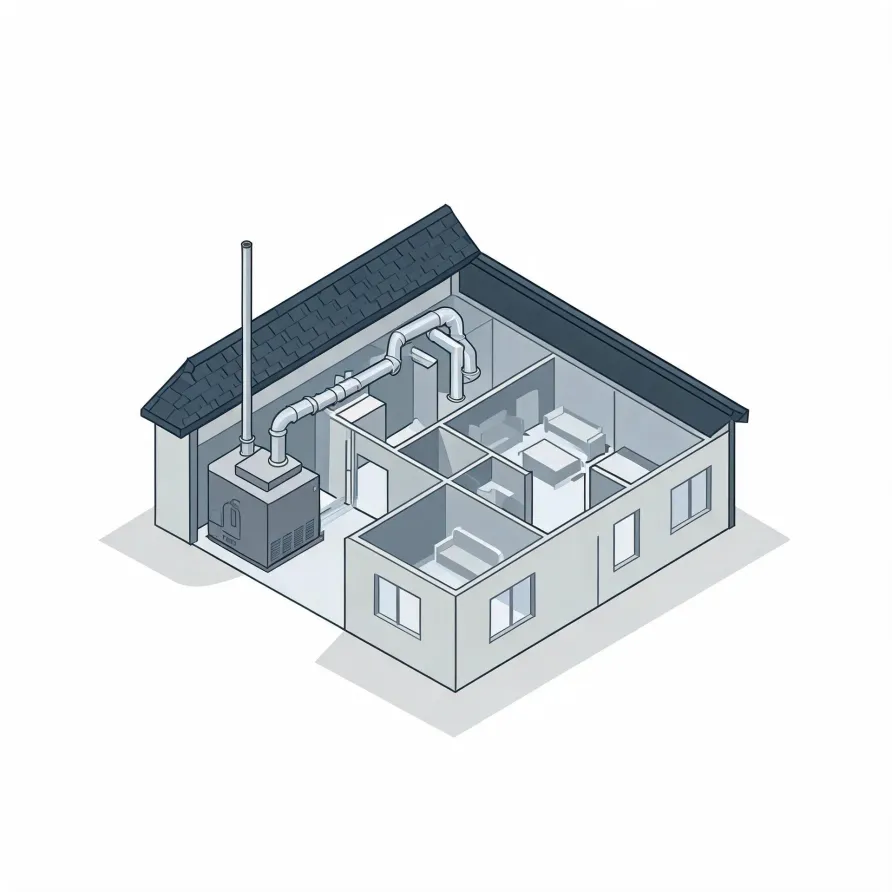
The furnace cabinet sits in a basement, utility room, or closet and holds most of what a contractor will examine. Inside it, the heat exchanger carries the heat that warms your air, and a cracked or corroded exchanger is one of the first things a contractor rules out. The burners, igniter, and flame sensor all live in that same cabinet, and any one of them can be the reason a furnace starts poorly, runs in short bursts, or does not light at all.
The blower motor and blower wheel sit in the lower section of the cabinet and push conditioned air out through the house. The flue pipe runs from the cabinet to an outside vent and carries combustion gases out. A contractor also checks the control board, which coordinates every other component, since a fault there can produce symptoms that look like a dozen different problems.
The drawing shows a general layout of these components, and a licensed contractor determines which ones apply to the specific equipment and configuration in your home.
Find a contractor in Allen CountyAllen County, Kansas, by the numbers
108 severe weather events were recorded in Allen County, Kansas between 2015 and 2024.
NOAA National Centers for Environmental Information, Storm Events Database, bulk CSV export, events 2015-01-01 through 2024-12-31.Half the homes in Allen County, Kansas were built in 1965 or earlier (2020-2024 ACS 5-year).
U.S. Census Bureau, 2020-2024 American Community Survey 5-Year EstimatesAllen County, Kansas holds 6,077 housing units (2020-2024 ACS 5-year).
U.S. Census Bureau, 2020-2024 American Community Survey 5-Year EstimatesOwners occupy 75.4% of the occupied homes in Allen County, Kansas (2020-2024 ACS 5-year).
U.S. Census Bureau, 2020-2024 American Community Survey 5-Year EstimatesFurnace Repair Rules & Codes for Allen County, Kansas4 sourced regulations and standards
What HVAC Repair Looks Like in Allen County
Non-weatherized gas furnaces manufactured on or after November 19, 2015 must reach 80.0 percent AFUE.
Non-weatherized oil-fired furnaces manufactured on or after November 19, 2015 must reach 83.0 percent AFUE.
Mobile home gas furnaces manufactured on or after November 19, 2015 must reach 80.0 percent AFUE.
Non-weatherized gas furnaces manufactured on or after December 18, 2028 must reach 95.0 percent AFUE, up from the 80.0 percent minimum that applies to units manufactured before that date.
Severe Weather Events in Allen County
Kansas weather puts real stress on furnace components, and Allen County gets its share of conditions that push heating systems hard. How often that happens locally shapes how much repair work furnaces here actually face.
108 severe weather events, 2015–2024. Source: NOAA National Centers for Environmental Information, Storm Events Database.