Tell us about the job
Takes about a minute. No obligation.
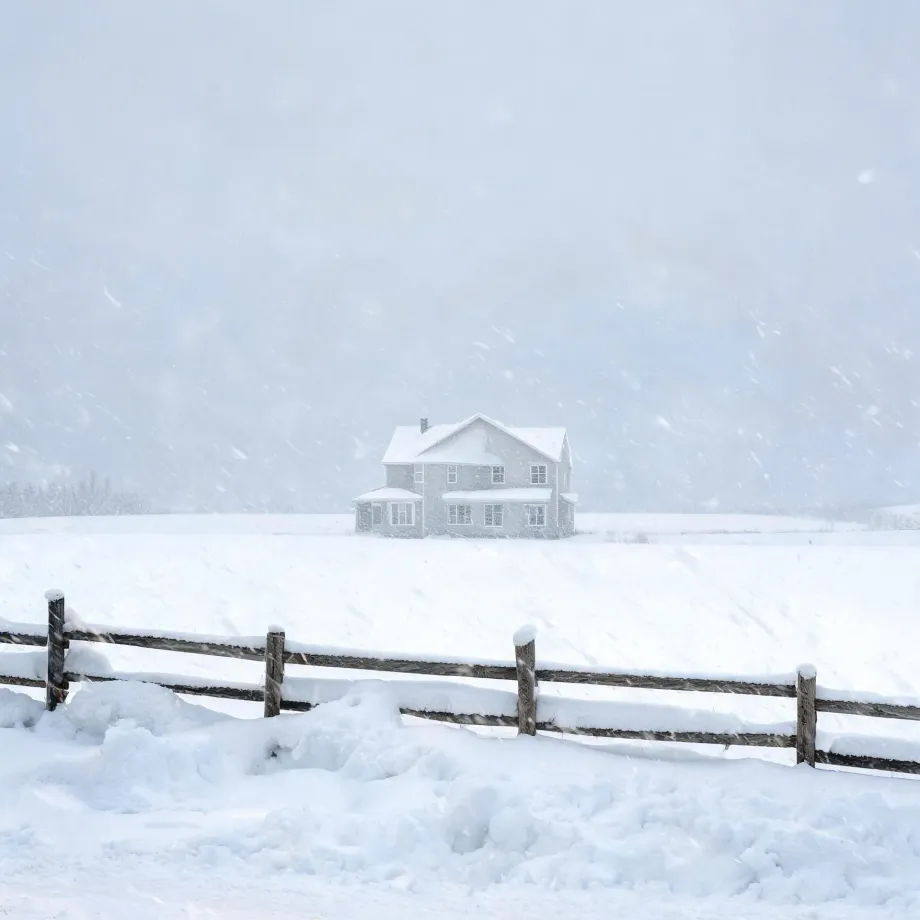
The burner and igniter in a Bourbon County furnace carry a real load. Homes in Bourbon County, KS run heat about seven months a year, from October through April. A contractor diagnosing a repair here checks the heat exchanger for cracks and the ignition system for degradation before anything else, because those are the parts that cycle every time the furnace fires. A heat exchanger that has expanded and contracted through years of long winters can develop stress fractures that only show up under close inspection.
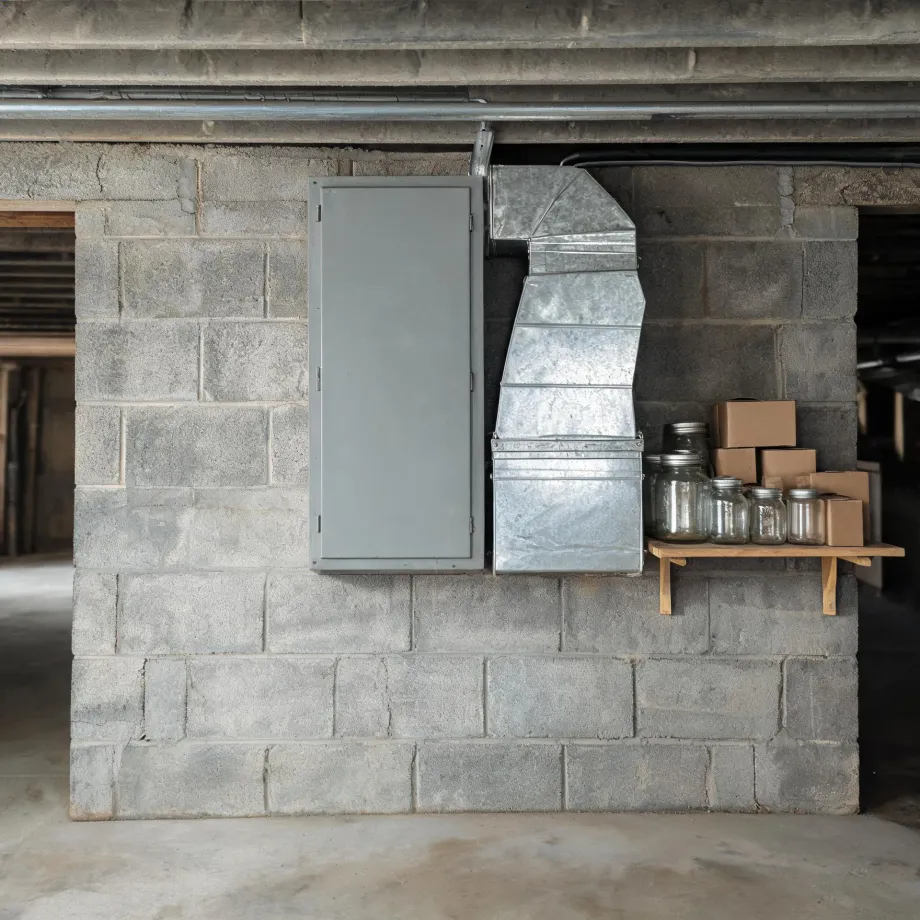
Half the homes in Bourbon County, Kansas were built in 1957 or earlier (2020-2024 ACS 5-year). A furnace that has been running in a house of that age has outlasted at least one parts generation, and when a contractor opens the unit, what they are actually solving is whether the components it takes are still in active supply. Some are. Some require sourcing from secondary distributors, and that affects both what gets ordered and how long the repair takes to close. The ductwork in these houses tells its own story, but on a repair call the opened heat exchanger and the burner assembly are what set the terms.
The Parts of a Furnace a Contractor Checks First
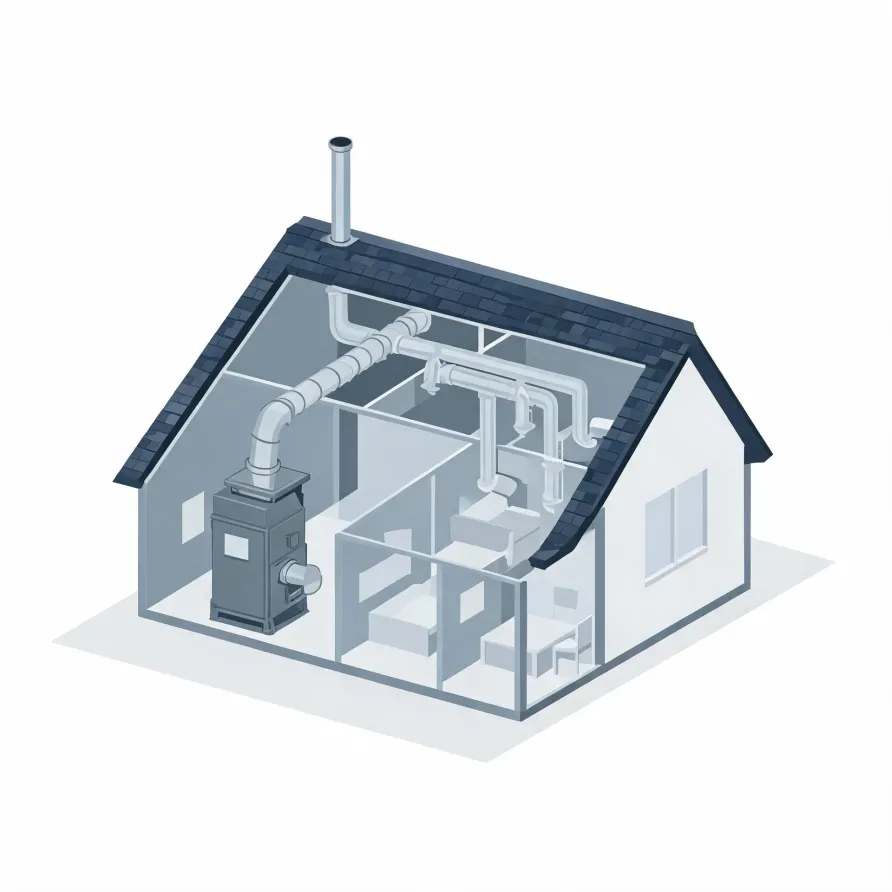
The furnace cabinet sits in the basement, utility room, or closet and is the heart of the system. Inside it, the heat exchanger warms the air while the burner assembly produces the combustion that makes that possible. When heat stops reaching the rooms, a contractor starts here, checking the burner, the heat exchanger, and the blower motor that pushes conditioned air out.
The flue pipe runs from the cabinet to an exterior vent and carries combustion gases out of the house. The thermostat on a main living-area wall sends the signal that starts the whole sequence. Either one can be the source of a problem: a blocked flue shuts the system down on safety, and a faulty thermostat can look like a furnace failure when the furnace itself is fine.
The drawing shows the general layout of a furnace system, and a licensed contractor determines what applies to the specific equipment and configuration in your house.
Get matched in Bourbon CountyBourbon County, Kansas, by the numbers
73 severe weather events were recorded in Bourbon County, Kansas between 2015 and 2024.
NOAA National Centers for Environmental Information, Storm Events Database, bulk CSV export, events 2015-01-01 through 2024-12-31.Half the homes in Bourbon County, Kansas were built in 1957 or earlier (2020-2024 ACS 5-year).
U.S. Census Bureau, 2020-2024 American Community Survey 5-Year EstimatesBourbon County, Kansas holds 6,756 housing units (2020-2024 ACS 5-year).
U.S. Census Bureau, 2020-2024 American Community Survey 5-Year EstimatesOwners occupy 74.0% of the occupied homes in Bourbon County, Kansas (2020-2024 ACS 5-year).
U.S. Census Bureau, 2020-2024 American Community Survey 5-Year EstimatesFurnace Repair Rules on the Books for Bourbon County, Kansas4 codes, standards & licensing rules
What the repair visit looks like
Non-weatherized gas furnaces manufactured on or after November 19, 2015 must reach 80.0 percent AFUE.
Non-weatherized oil-fired furnaces manufactured on or after November 19, 2015 must reach 83.0 percent AFUE.
Mobile home gas furnaces manufactured on or after November 19, 2015 must reach 80.0 percent AFUE.
Non-weatherized gas furnaces manufactured on or after December 18, 2028 must reach 95.0 percent AFUE, up from the 80.0 percent minimum that applies to units manufactured before that date.
Severe Weather Events in Bourbon County
Kansas weather puts real stress on furnace components over time. How hard that equipment works, and how often it needs attention, tracks closely with what the local climate demands of it.
73 severe weather events, 2015–2024. Source: NOAA National Centers for Environmental Information, Storm Events Database.