Tell us about the job
Takes about a minute. No obligation.
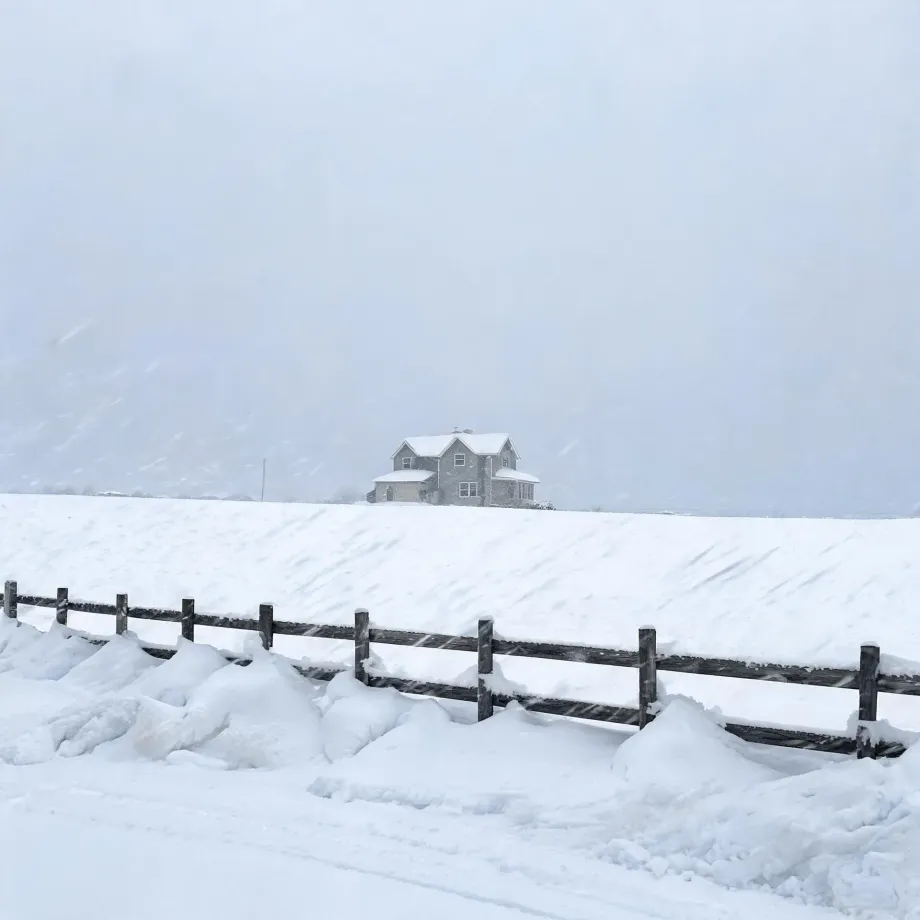
Homes in Coffey County, KS run heat about seven months a year, from October through April. By the time a furnace shows a fault, the burner and ignition system have cycled through a long string of cold months, and those are the parts that carry that load directly. A contractor diagnosing a repair here pulls the heat exchanger and checks the igniter first, not because the problem always starts there, but because the hours on those components add up faster than on any other part of the system. A cracked exchanger or a worn igniter found early keeps a repair from turning into a replacement.
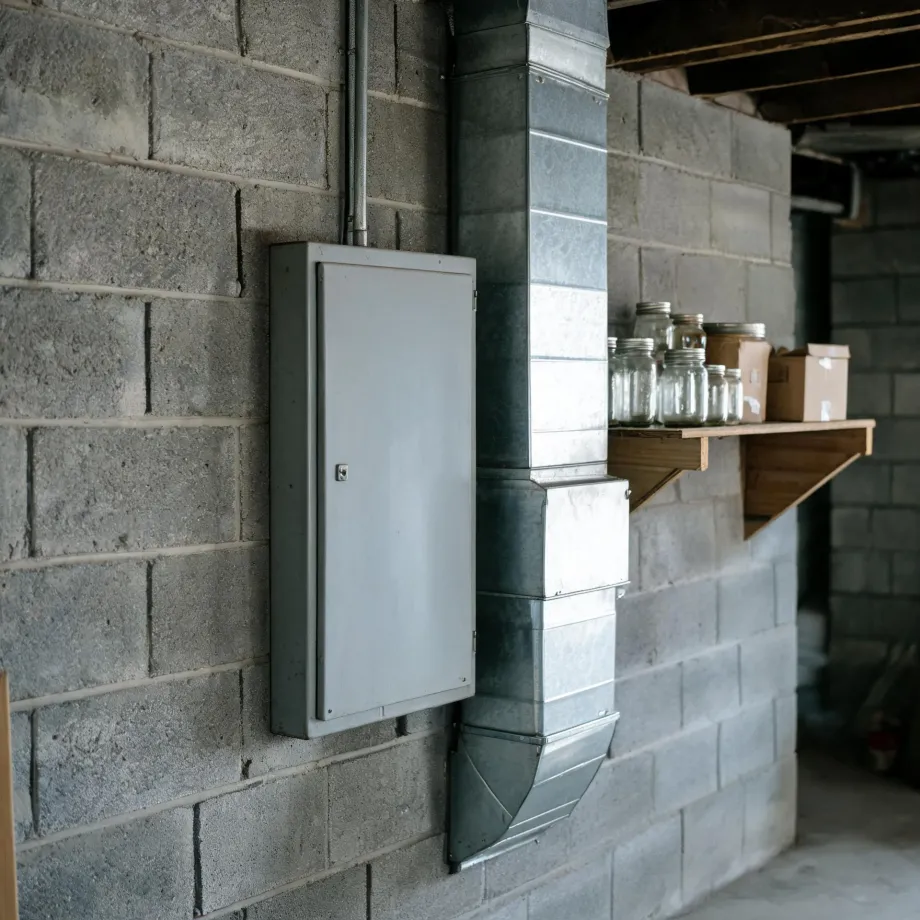
Furnace systems running in stock this old were not designed around what a contractor can order from a distributor today. Half the homes in Coffey County, Kansas were built in 1970 or earlier (2020-2024 ACS 5-year). When a unit is opened, what matters is whether the heat exchanger, the burner assembly, or the control board still has a current-production part that fits it. If it does not, the contractor prices a repair against that scarcity, and the quote changes. That is the variable this housing stock puts on every furnace job here.
The Parts of a Furnace a Contractor Checks First
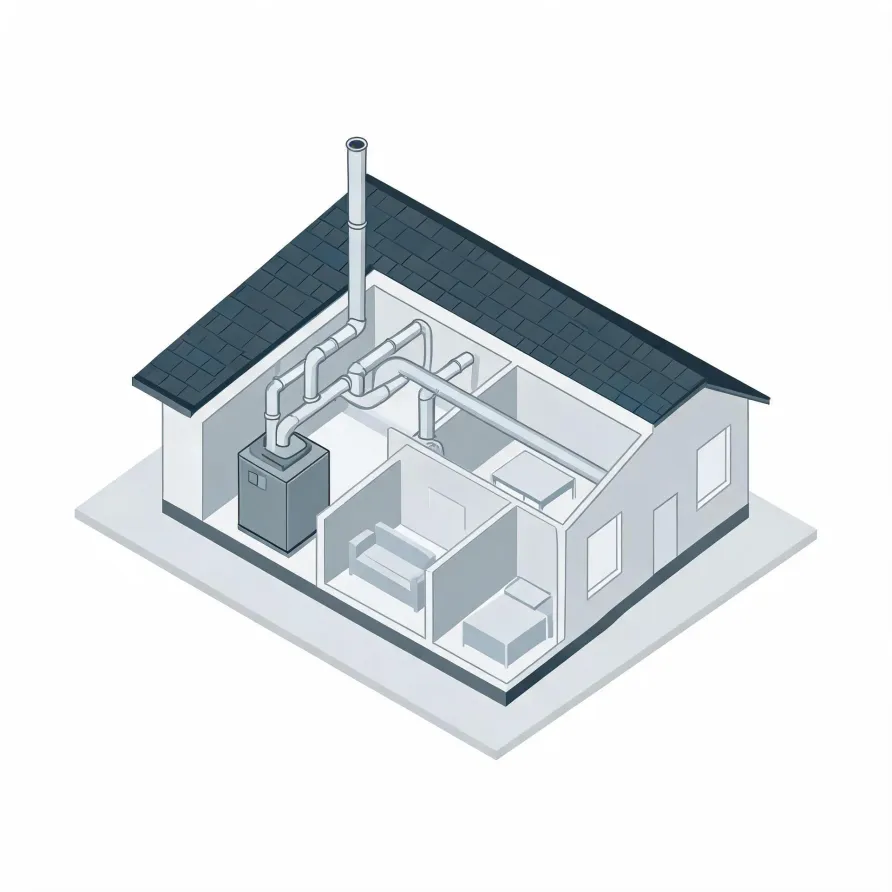
The heat exchanger sits at the center of the furnace cabinet and is where combustion gases transfer warmth to your home's air supply. When it cracks or corrodes, the furnace loses its ability to heat properly and can draw combustion gases into the living space. The burners sit just below it, and a contractor checks them early because residue buildup or a failed igniter stops the whole system cold.
The blower motor and its fan wheel sit in the lower section of the cabinet and push conditioned air out through the supply plenum. The flue pipe runs from the top of the furnace to an exterior vent, and a blockage or breach there shows up as lockouts or incomplete combustion cycles. The control board ties all of it together, reading sensors and signals, and a fault there can mimic failures in parts that are otherwise fine.
The drawing shows a representative layout, and a licensed contractor determines which components are relevant in your specific home.
Get matched in Coffey CountyCoffey County, by the numbers
115 severe weather events were recorded in Coffey County, Kansas between 2015 and 2024.
NOAA National Centers for Environmental Information, Storm Events Database, bulk CSV export, events 2015-01-01 through 2024-12-31.Half the homes in Coffey County, Kansas were built in 1970 or earlier (2020-2024 ACS 5-year).
U.S. Census Bureau, 2020-2024 American Community Survey 5-Year EstimatesCoffey County, Kansas holds 3,998 housing units (2020-2024 ACS 5-year).
U.S. Census Bureau, 2020-2024 American Community Survey 5-Year EstimatesOwners occupy 75.9% of the occupied homes in Coffey County, Kansas (2020-2024 ACS 5-year).
U.S. Census Bureau, 2020-2024 American Community Survey 5-Year EstimatesCodes & Standards Governing Furnace Repair in Coffey County, Kansas4 sourced rules & standards
What HVAC Repair Looks Like in Coffey County
Non-weatherized gas furnaces manufactured on or after November 19, 2015 must reach 80.0 percent AFUE.
Non-weatherized oil-fired furnaces manufactured on or after November 19, 2015 must reach 83.0 percent AFUE.
Mobile home gas furnaces manufactured on or after November 19, 2015 must reach 80.0 percent AFUE.
Non-weatherized gas furnaces manufactured on or after December 18, 2028 must reach 95.0 percent AFUE, up from the 80.0 percent minimum that applies to units manufactured before that date.
Severe Weather Events in Coffey County
Weather puts work on a furnace. Each heating season, what moves through this part of Kansas shapes how hard the equipment runs and how quickly wear accumulates, which makes local weather history a practical reference point for anyone thinking about repair needs.
115 severe weather events, 2015–2024. Source: NOAA National Centers for Environmental Information, Storm Events Database.