Tell us about the job
Takes about a minute. No obligation.
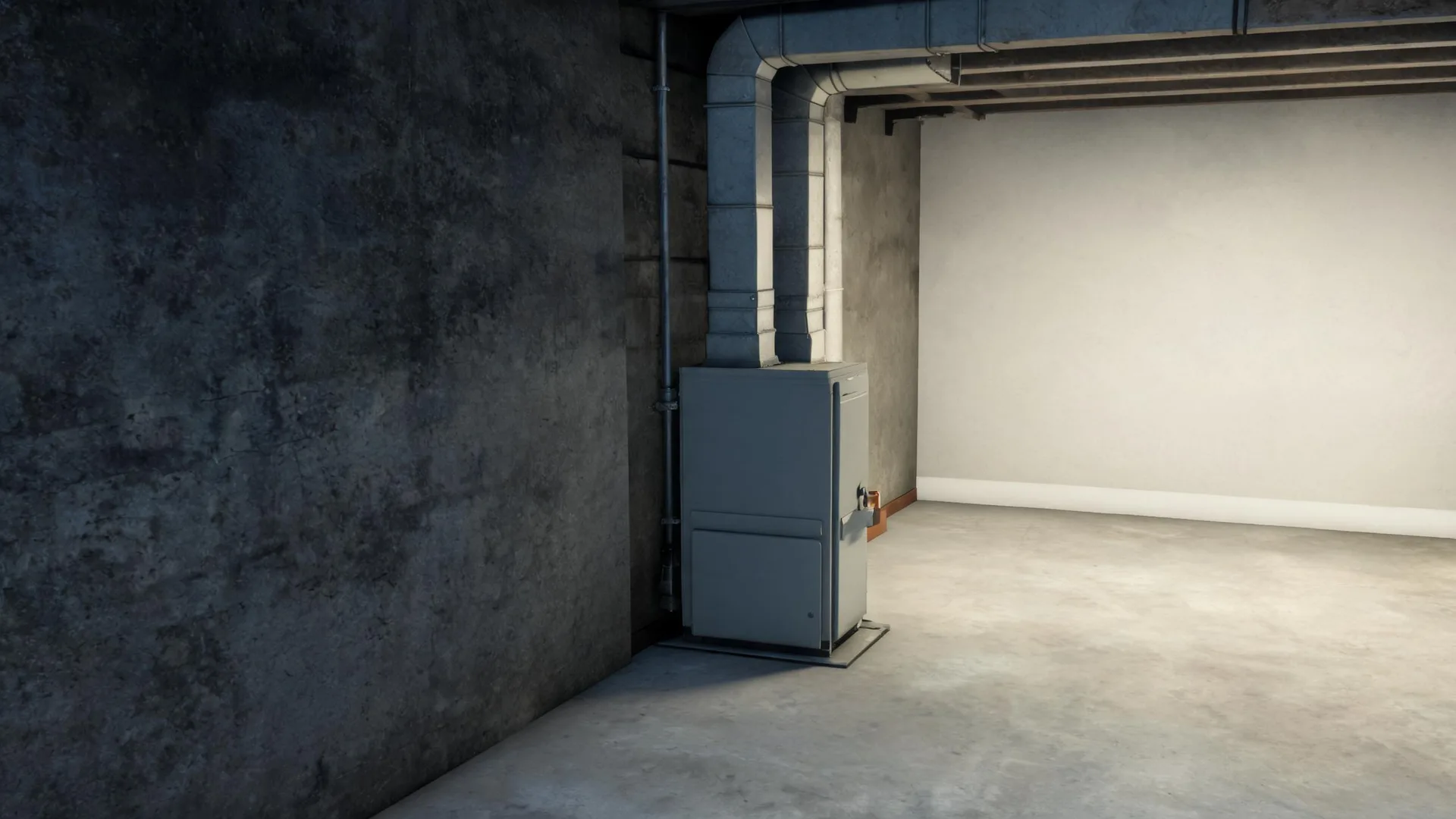
A furnace repair in Cloud County starts with the components that take the cycling load: the heat exchanger, the burner, and the ignition system. Homes in Cloud County, KS run heat about seven months a year, from October through April. That run puts real hours on the ignition system every fall startup and on the heat exchanger every time the burner fires and cools. A contractor will check those parts first, because fatigue cracks and igniter degradation accumulate with each season and show up clearly on inspection. Ductwork and filters matter too, but the combustion side is where the wear lands.
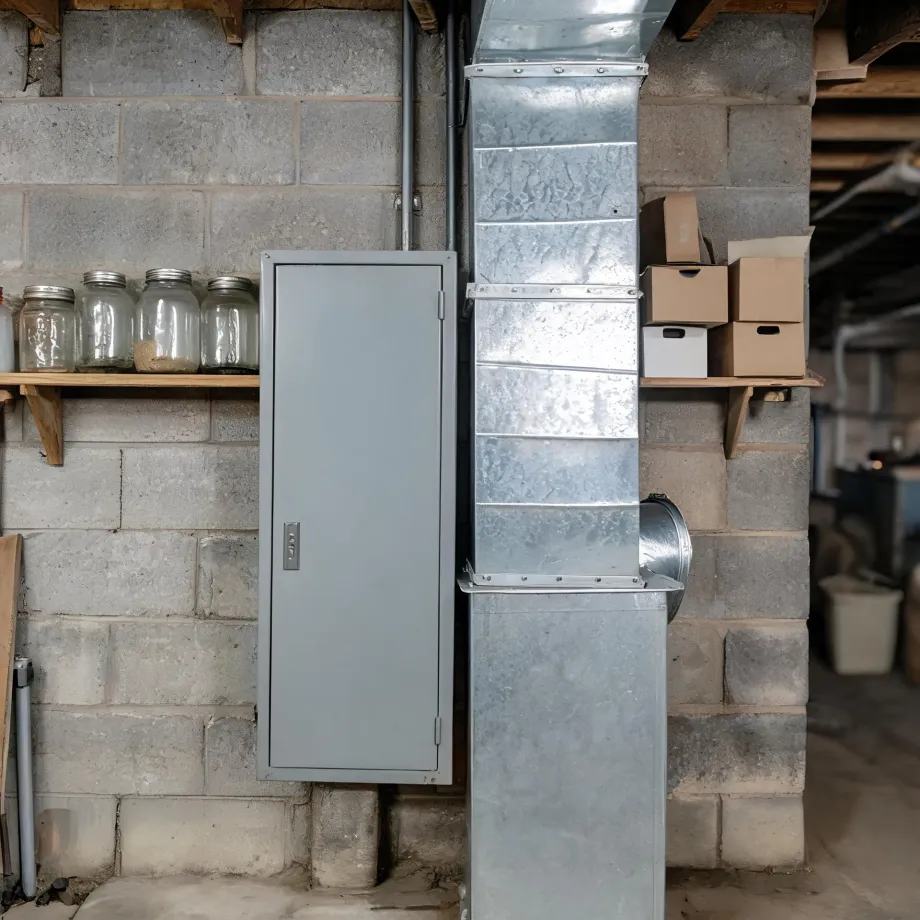
Furnaces in houses built before mid-century run on parts that supply chains have largely moved past. Half the homes in Cloud County, Kansas were built in 1953 or earlier (2020-2024 ACS 5-year). A contractor opening a furnace in stock like this finds heat exchangers, limit switches, and gas valves sized and threaded to specs that current suppliers do not stock as standard. That gap, between what the unit needs and what a distributor can pull from a shelf, is where the repair either stays simple or expands into a sourcing problem. The age of the house set that in motion long before the furnace showed any trouble.
The Parts of a Furnace a Contractor Checks First
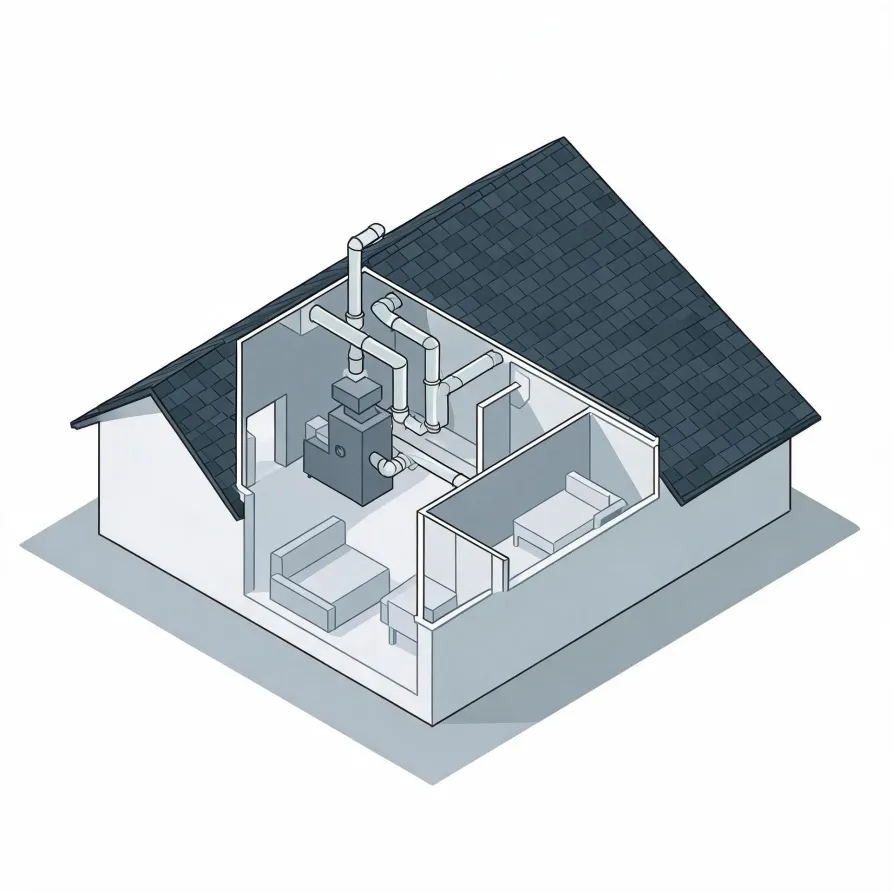
The furnace itself sits in a utility room, basement, or closet and is the piece a contractor goes to first. Inside it, the heat exchanger is the part that most often causes a shutdown or a safety lockout when it cracks or corrodes. The burners, which fire inside that exchanger, get checked for uneven flame or buildup that disrupts combustion.
The blower motor pulls air through the system and pushes conditioned air back out through the vents. It sits inside the furnace cabinet, and when it runs rough or fails to start, the whole house loses airflow. The igniter and the flame sensor work together to start and confirm a burner cycle, and both are frequent stops on a repair call.
The drawing shows the general layout of a furnace system, and a licensed contractor determines which components apply to your specific house and setup.
Get matched in Cloud CountyCloud County, Kansas, by the numbers
144 severe weather events were recorded in Cloud County, Kansas between 2015 and 2024.
NOAA National Centers for Environmental Information, Storm Events Database, bulk CSV export, events 2015-01-01 through 2024-12-31.Half the homes in Cloud County, Kansas were built in 1953 or earlier (2020-2024 ACS 5-year).
U.S. Census Bureau, 2020-2024 American Community Survey 5-Year EstimatesCloud County, Kansas holds 4,467 housing units (2020-2024 ACS 5-year).
U.S. Census Bureau, 2020-2024 American Community Survey 5-Year EstimatesOwners occupy 74.0% of the occupied homes in Cloud County, Kansas (2020-2024 ACS 5-year).
U.S. Census Bureau, 2020-2024 American Community Survey 5-Year EstimatesCodes & Standards Covering Furnace Repair in Cloud County, Kansas4 sourced rules and standards
What the Repair Visit Looks Like
Non-weatherized gas furnaces manufactured on or after November 19, 2015 must reach 80.0 percent AFUE.
Non-weatherized oil-fired furnaces manufactured on or after November 19, 2015 must reach 83.0 percent AFUE.
Mobile home gas furnaces manufactured on or after November 19, 2015 must reach 80.0 percent AFUE.
Non-weatherized gas furnaces manufactured on or after December 18, 2028 must reach 95.0 percent AFUE, up from the 80.0 percent minimum that applies to units manufactured before that date.
Severe Weather Events in Cloud County
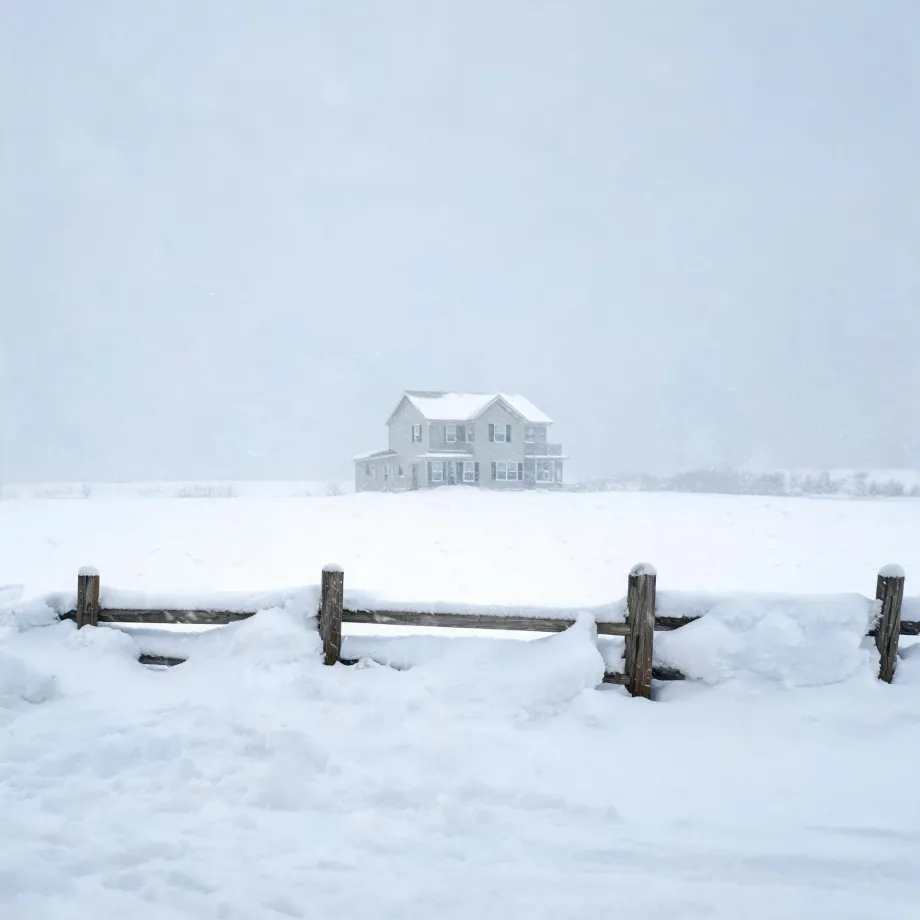
Extreme weather puts real strain on heating equipment, cycling it hard through temperature swings it was not built to absorb indefinitely. That wear is local, and so is the repair work that follows.
144 severe weather events, 2015–2024. Source: NOAA National Centers for Environmental Information, Storm Events Database.