Tell us about the job
Takes about a minute. No obligation.
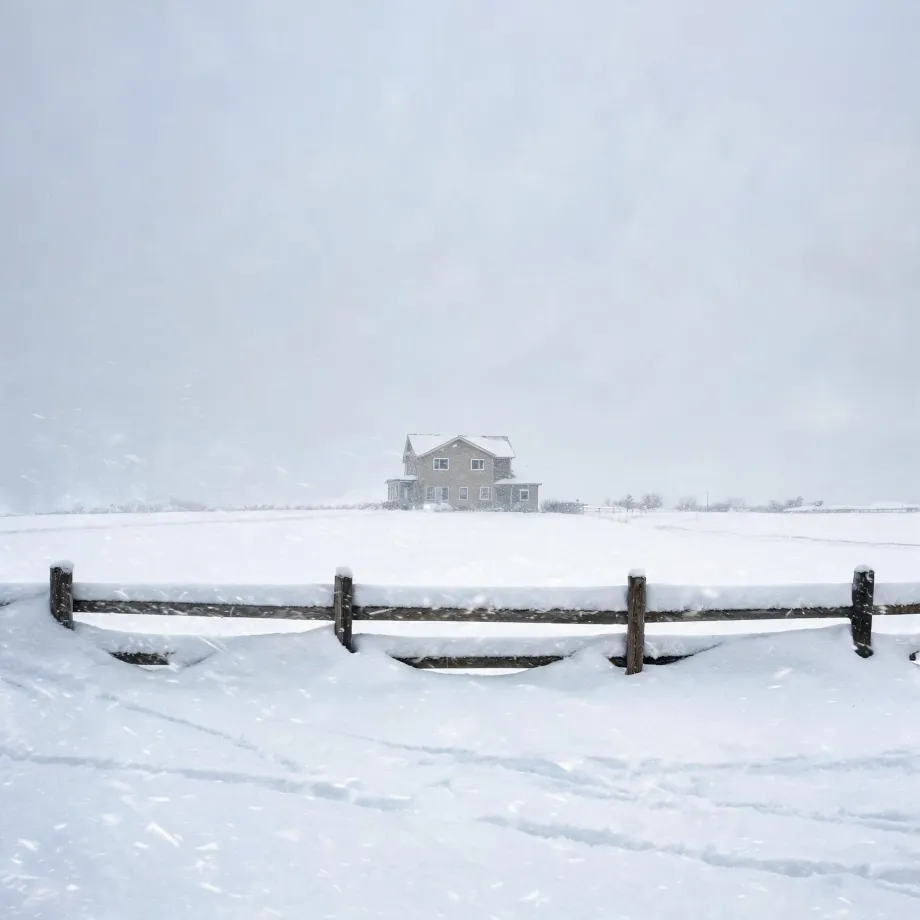
Sizing a furnace for Cloud County is not a generic calculation. A contractor has to account for what the burner and heat exchanger will actually be asked to carry across the cold half of the calendar here. Homes in Cloud County, KS run heat about seven months a year, from October through April. That load falls on the ignition system every time the equipment cycles through a cold morning, and a furnace that was sized short, or installed without care, burns through those components faster than the same unit would in a milder place. The install quality shows up in the parts that run hardest.
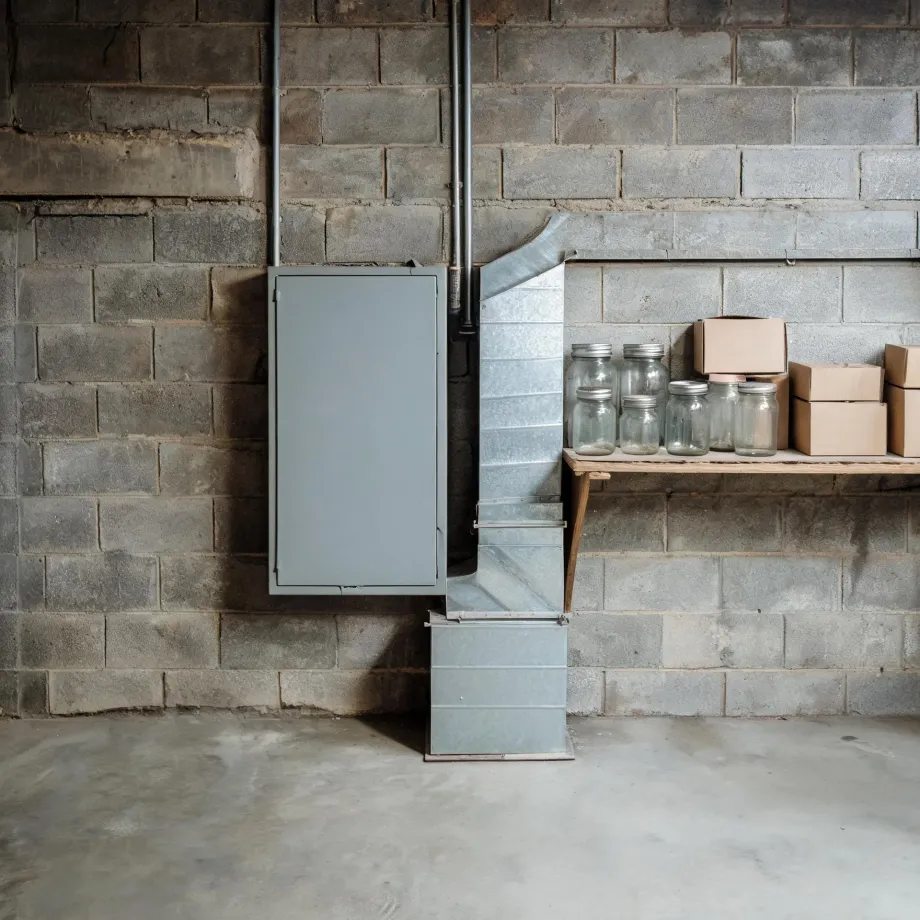
Ductwork laid down for a furnace that has come and gone more than once does not automatically suit what a contractor is putting in today. Half the homes in Cloud County, Kansas were built in 1953 or earlier (2020-2024 ACS 5-year). That depth of housing stock means the ducts a contractor finds behind the walls were sized and routed for something different, and whether they carry a new system's airflow without pressure problems is a question answered by measurement, not assumption. The electrical side follows the same logic: service capacity that made sense when the house was wired has to be confirmed before any new equipment goes in.
What Gets Installed With a New Furnace
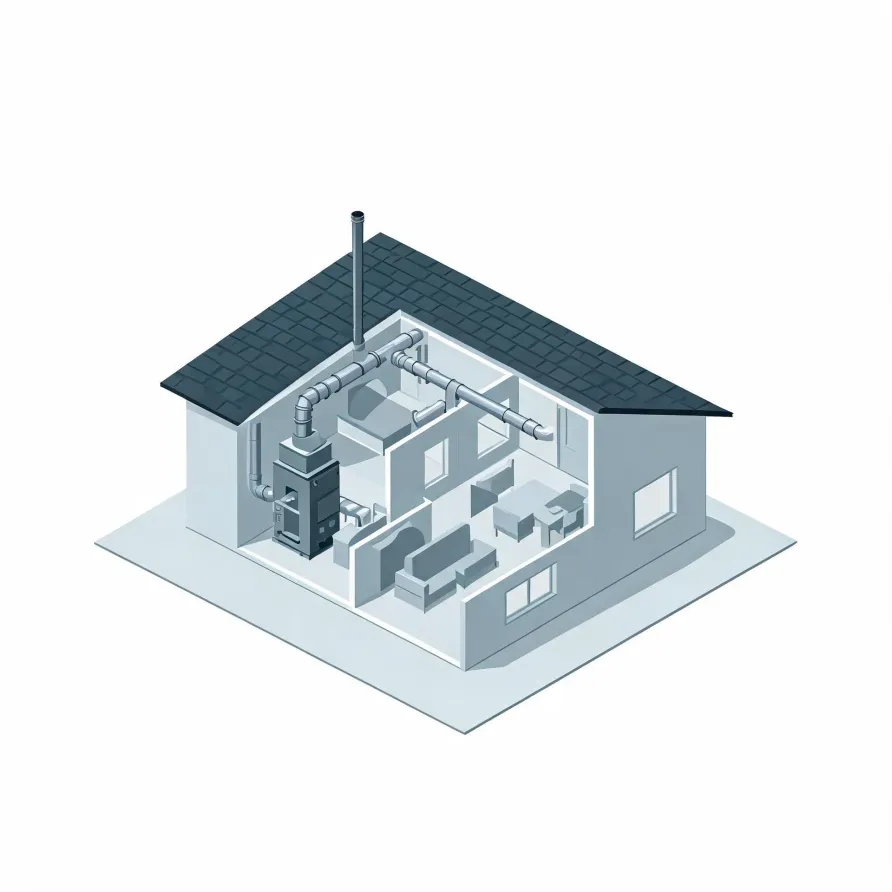
The furnace itself sits inside the house, most often in a basement, utility room, or closet. It is the central unit that burns fuel or runs on electricity to produce heat. The air handler, which in many setups is built into the furnace cabinet, draws air in and pushes it through the ducts once the furnace has warmed it.
The flue or vent pipe runs from the furnace to an exterior wall or through the roof, carrying combustion gases out of the house. Alongside the furnace, a thermostat mounts on an interior wall and is the control point that tells the furnace when to fire and when to stop.
The drawing shows a typical layout, and a licensed contractor determines exactly what applies to your home.
Get matched in Cloud CountyCloud County, Kansas, by the numbers
144 severe weather events were recorded in Cloud County, Kansas between 2015 and 2024.
NOAA National Centers for Environmental Information, Storm Events Database, bulk CSV export, events 2015-01-01 through 2024-12-31.Half the homes in Cloud County, Kansas were built in 1953 or earlier (2020-2024 ACS 5-year).
U.S. Census Bureau, 2020-2024 American Community Survey 5-Year EstimatesCloud County, Kansas holds 4,467 housing units (2020-2024 ACS 5-year).
U.S. Census Bureau, 2020-2024 American Community Survey 5-Year EstimatesOwners occupy 74.0% of the occupied homes in Cloud County, Kansas (2020-2024 ACS 5-year).
U.S. Census Bureau, 2020-2024 American Community Survey 5-Year EstimatesCodes & Standards Behind Furnace Installation in Cloud County, Kansas4 sourced rules and standards
What the Installation Actually Looks Like
Non-weatherized gas furnaces manufactured on or after November 19, 2015 must reach 80.0 percent AFUE.
Non-weatherized oil-fired furnaces manufactured on or after November 19, 2015 must reach 83.0 percent AFUE.
Mobile home gas furnaces manufactured on or after November 19, 2015 must reach 80.0 percent AFUE.
Non-weatherized gas furnaces manufactured on or after December 18, 2028 must reach 95.0 percent AFUE, up from the 80.0 percent minimum that applies to units manufactured before that date.
Severe Weather History in Cloud County
Kansas weather puts real demands on heating equipment, and Cloud County gets its share of what the plains can deliver. How hard a furnace has to work over its lifetime is largely a local question, and the pattern of severe weather here is part of that answer.
144 severe weather events, 2015–2024. Source: NOAA National Centers for Environmental Information, Storm Events Database.