Tell us about the job
Takes about a minute. No obligation.
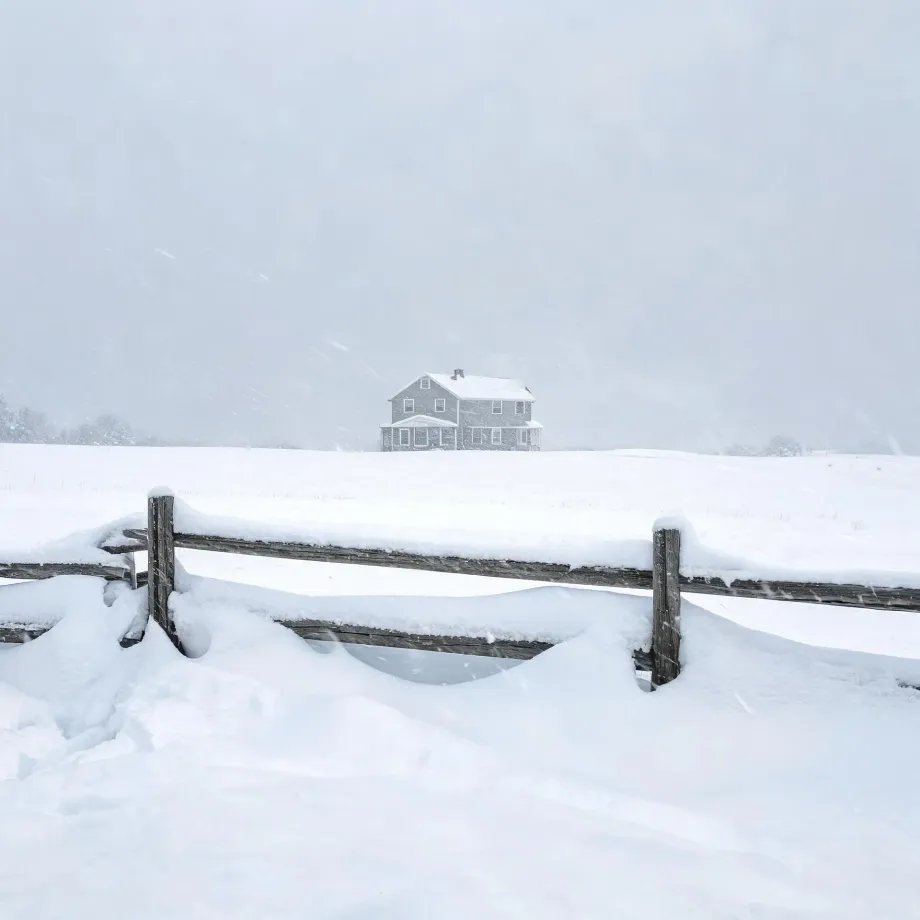
Sizing a furnace for a Clay County home means sizing it for a burner and heat exchanger that spend most of the calendar actually working. Homes in Clay County, KS run heat about seven months a year, from October through April. A unit that is undersized shows the problem through the heat exchanger and ignition system first, because those components cycle every time the thermostat calls and they get little rest. A contractor quoting a replacement here has to run a full load calculation against the house envelope before settling on equipment, not after.
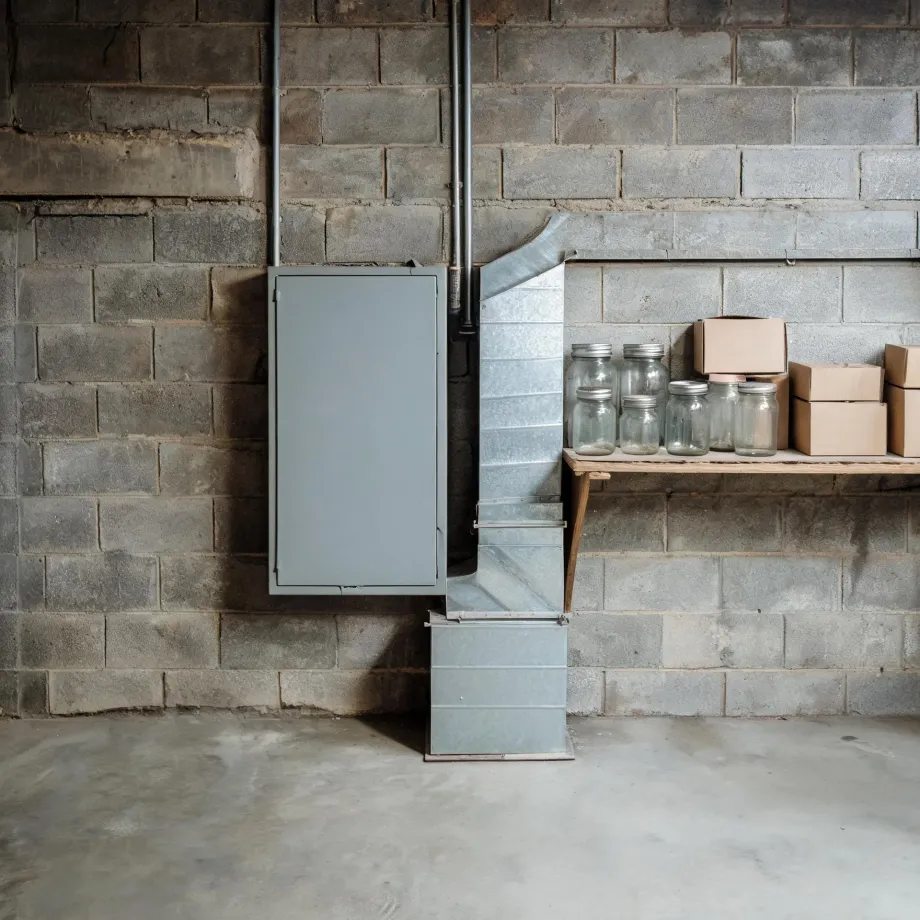
Ductwork sized for equipment that has not been made in decades is what a contractor opens the walls to find in much of Clay County. Half the homes in Clay County, Kansas were built in 1962 or earlier (2020-2024 ACS 5-year). That gap between what the house was built to carry and what a current furnace pushes through it is where an installation job expands: a run that looks adequate on a drawing may restrict airflow enough to force rebalancing or replacement of trunk lines before the new unit ever fires. The electrical is a separate question the contractor checks against the new furnace's draw. Both answers come from the house, and neither comes from the equipment spec sheet.
What Gets Installed With a New Furnace
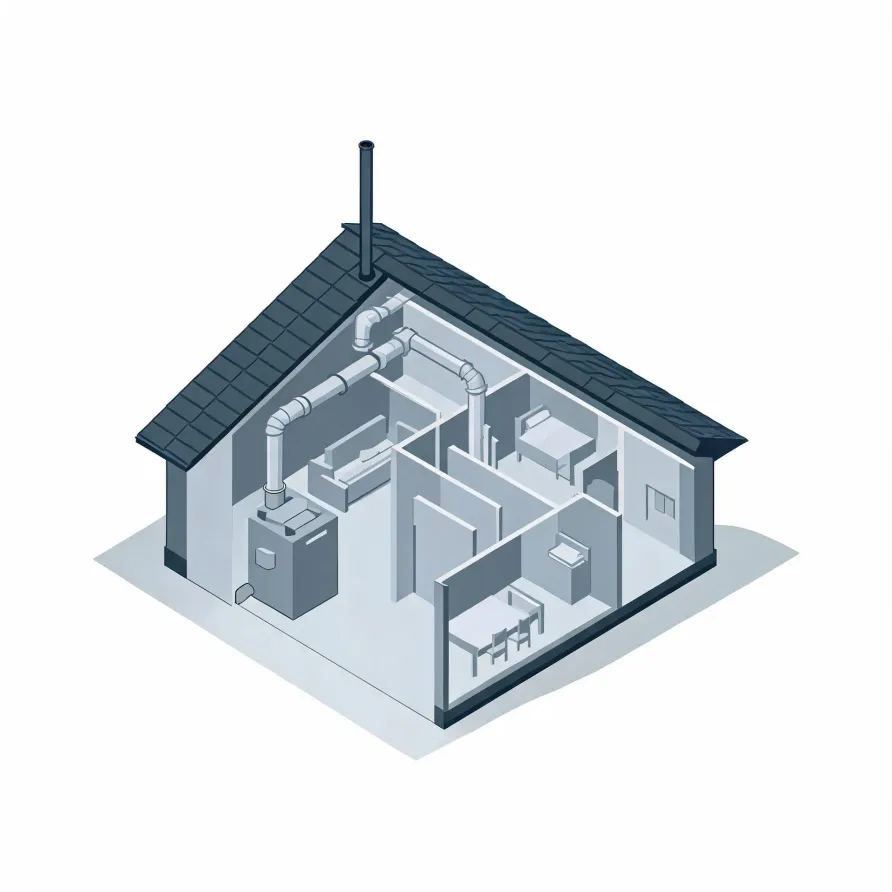
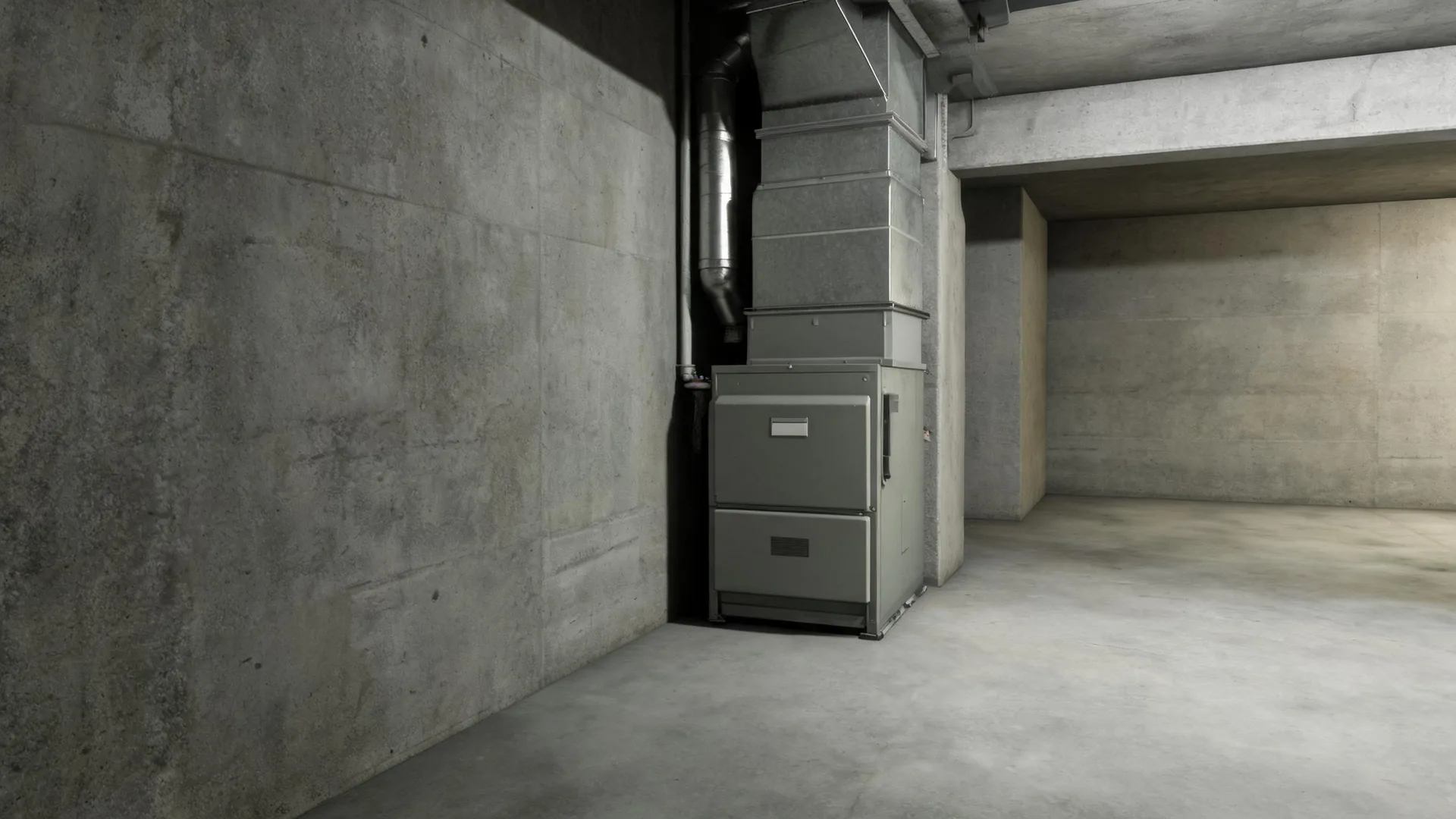
The furnace itself sits in a mechanical room, basement, or utility closet and is the unit a homeowner is most likely to recognize on sight. It houses the heat exchanger and burner assembly, which are the components that produce and transfer heat to the air moving through the system. The blower motor lives inside the same cabinet and pushes that conditioned air outward.
The flue pipe exits the furnace cabinet and runs to an exterior wall or up through the roof, carrying combustion gases out of the house. Alongside the furnace, a thermostat mounts on an interior wall and serves as the control point for the whole system, while a filter housing sits at the air intake to keep particulates out of the cabinet.
The drawing shows a representative layout, and a licensed contractor determines exactly what applies to this house.
Get matched in Clay CountyClay County by the numbers
83 severe weather events were recorded in Clay County, Kansas between 2015 and 2024.
NOAA National Centers for Environmental Information, Storm Events Database, bulk CSV export, events 2015-01-01 through 2024-12-31.Half the homes in Clay County, Kansas were built in 1962 or earlier (2020-2024 ACS 5-year).
U.S. Census Bureau, 2020-2024 American Community Survey 5-Year EstimatesClay County, Kansas holds 3,944 housing units (2020-2024 ACS 5-year).
U.S. Census Bureau, 2020-2024 American Community Survey 5-Year EstimatesOwners occupy 78.0% of the occupied homes in Clay County, Kansas (2020-2024 ACS 5-year).
U.S. Census Bureau, 2020-2024 American Community Survey 5-Year EstimatesFurnace Installation Rules That Apply in Clay County, Kansas4 codes, standards, and licensing rules
What the Installation Actually Looks Like
Non-weatherized gas furnaces manufactured on or after November 19, 2015 must reach 80.0 percent AFUE.
Non-weatherized oil-fired furnaces manufactured on or after November 19, 2015 must reach 83.0 percent AFUE.
Mobile home gas furnaces manufactured on or after November 19, 2015 must reach 80.0 percent AFUE.
Non-weatherized gas furnaces manufactured on or after December 18, 2028 must reach 95.0 percent AFUE, up from the 80.0 percent minimum that applies to units manufactured before that date.
Severe Weather Events in Clay County
Weather puts load on heating equipment, and load shapes how a system is sized, specified, and installed. What happens in Clay County stays local, which is why a contractor working here needs to account for it.
83 severe weather events, 2015–2024. Source: NOAA National Centers for Environmental Information, Storm Events Database.