Tell us about the job
Takes about a minute. No obligation.
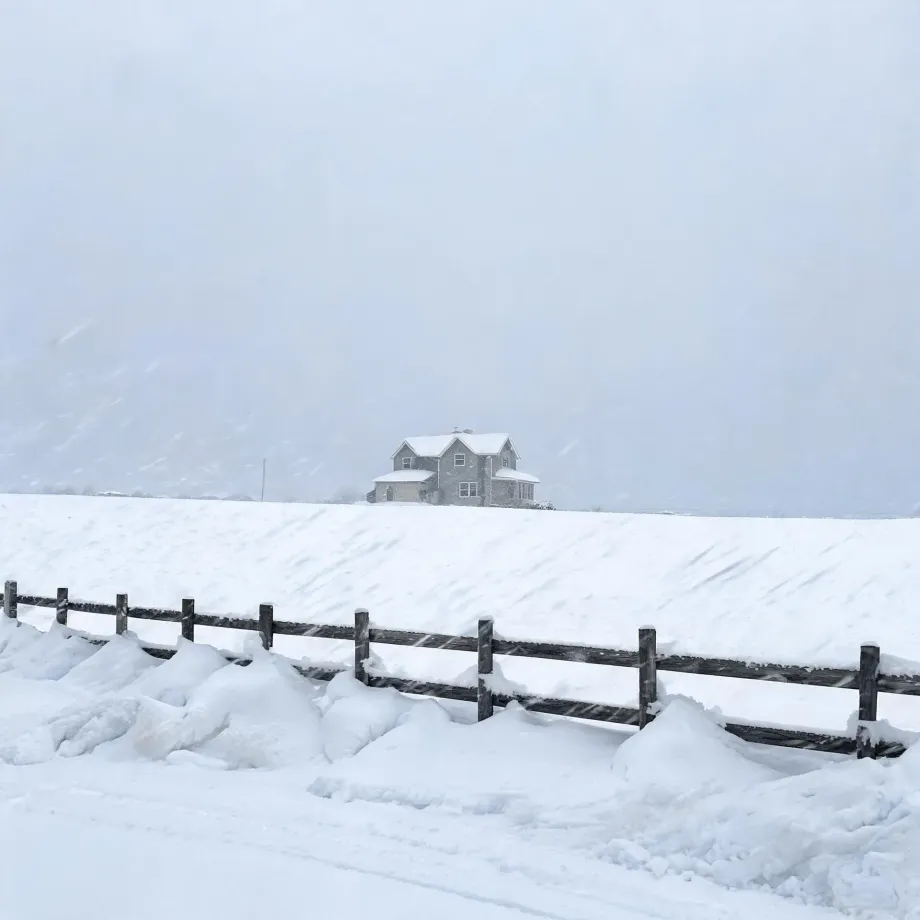
A furnace repair in Clay County starts with what has been asked of the burner and ignition system, because those are the parts that cycle every time the heat comes on. Homes in Clay County, KS run heat about seven months a year, from October through April. That much runtime adds up in the heat exchanger and the igniter before it shows anywhere else. Contractors working repairs here find cracked exchangers and worn igniters at a higher rate than failed controls, because the load falls unevenly across components.
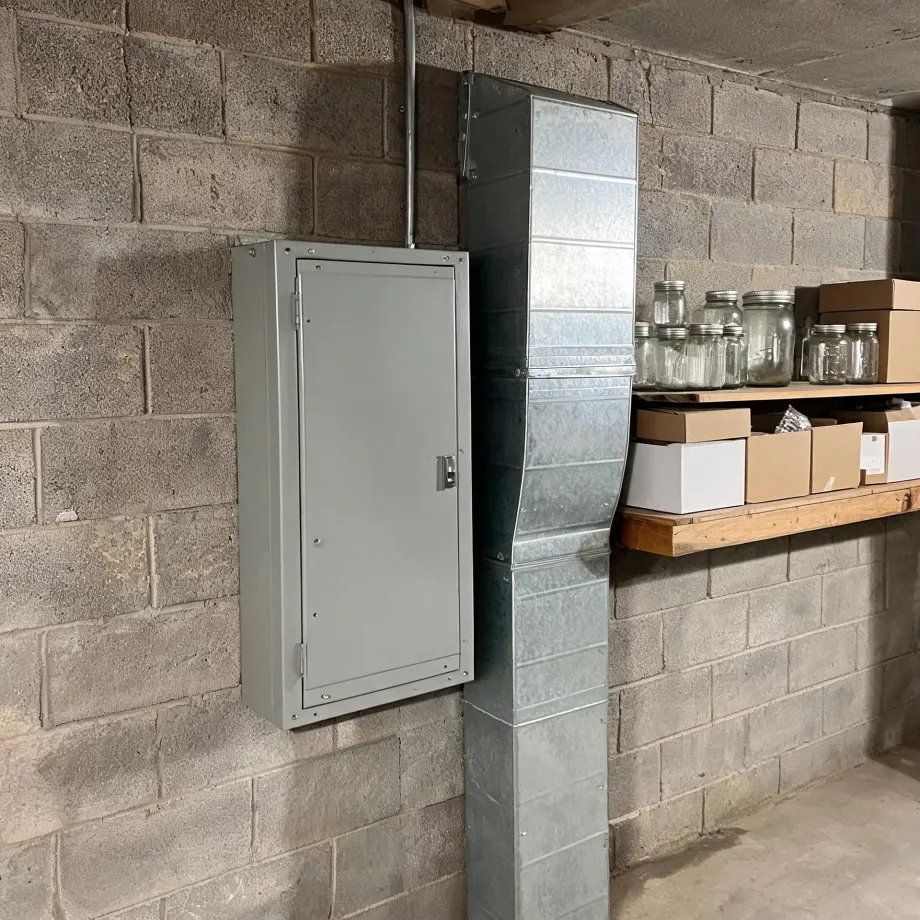
A furnace sitting in a house this old has almost certainly outlasted at least one prior unit, and the ductwork around it absorbed every changeover without being touched. Half the homes in Clay County, Kansas were built in 1962 or earlier (2020-2024 ACS 5-year). That history shows up inside the cabinet: heat exchangers in systems of this vintage crack at seams that were already stressed before the current owner moved in, and burner assemblies carry residue from years of operation that a replacement unit inherited rather than reset. A contractor who opens the furnace here is pricing what is physically present, and the parts a system of this age takes are not always on a distributor's shelf.
The Parts of a Furnace a Contractor Checks First
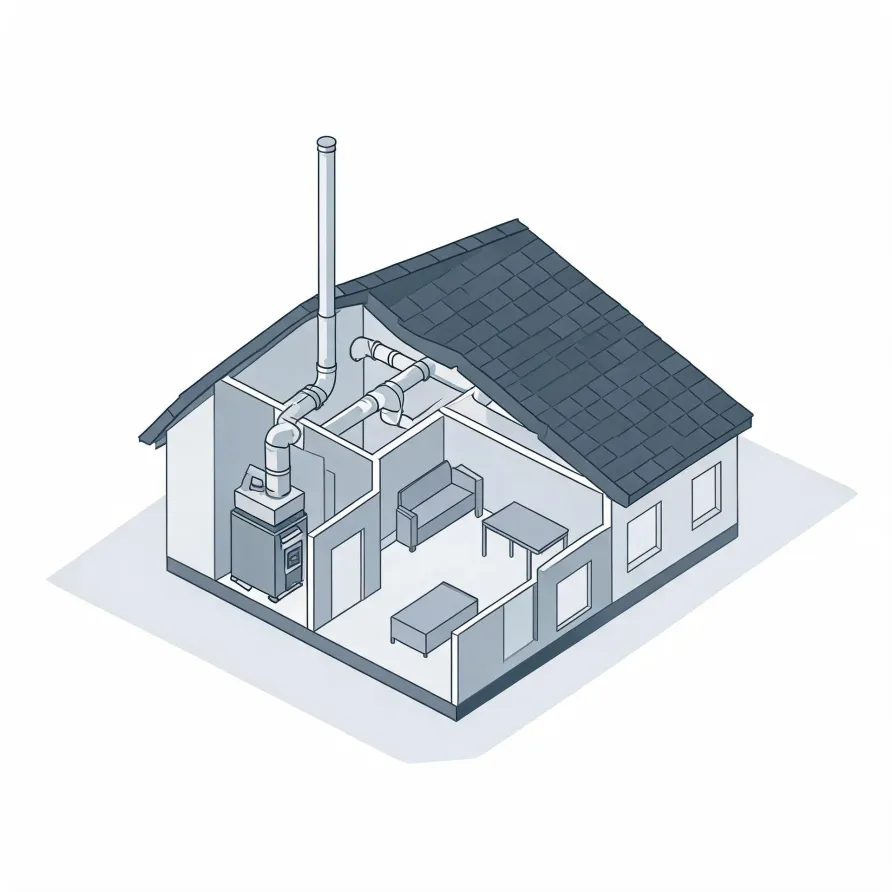
The heat exchanger sits inside the furnace cabinet in the basement or utility room and is the part a contractor looks at early in a repair call. Cracks or corrosion there affect the whole system. The burner assembly, which sits just below it, is another common point of failure when the furnace runs poorly or not at all.
The blower motor and its fan wheel sit at the base of the cabinet and push conditioned air into the supply side of the house. The control board, mounted inside the same cabinet, is what a contractor reads for fault codes when the furnace behaves erratically. The flue pipe runs from the top of the cabinet up and out, and a contractor checks it when combustion looks off.
The drawing shows a typical furnace layout, and a licensed contractor determines which parts apply to the specific equipment and configuration in your home.
Get matched in Clay CountyClay County by the numbers
83 severe weather events were recorded in Clay County, Kansas between 2015 and 2024.
NOAA National Centers for Environmental Information, Storm Events Database, bulk CSV export, events 2015-01-01 through 2024-12-31.Half the homes in Clay County, Kansas were built in 1962 or earlier (2020-2024 ACS 5-year).
U.S. Census Bureau, 2020-2024 American Community Survey 5-Year EstimatesClay County, Kansas holds 3,944 housing units (2020-2024 ACS 5-year).
U.S. Census Bureau, 2020-2024 American Community Survey 5-Year EstimatesOwners occupy 78.0% of the occupied homes in Clay County, Kansas (2020-2024 ACS 5-year).
U.S. Census Bureau, 2020-2024 American Community Survey 5-Year EstimatesFurnace Repair Rules & Codes for Clay County, Kansas4 sourced rules and standards
What HVAC Repair Looks Like in Clay County
Non-weatherized gas furnaces manufactured on or after November 19, 2015 must reach 80.0 percent AFUE.
Non-weatherized oil-fired furnaces manufactured on or after November 19, 2015 must reach 83.0 percent AFUE.
Mobile home gas furnaces manufactured on or after November 19, 2015 must reach 80.0 percent AFUE.
Non-weatherized gas furnaces manufactured on or after December 18, 2028 must reach 95.0 percent AFUE, up from the 80.0 percent minimum that applies to units manufactured before that date.
Severe Weather Events in Clay County
Furnaces in Kansas work against whatever the climate puts on them, and Clay County weather shapes how hard that work gets. That load affects how long equipment holds up and what repairs it eventually needs.
83 severe weather events, 2015–2024. Source: NOAA National Centers for Environmental Information, Storm Events Database.