Tell us about the job
Takes about a minute. No obligation.
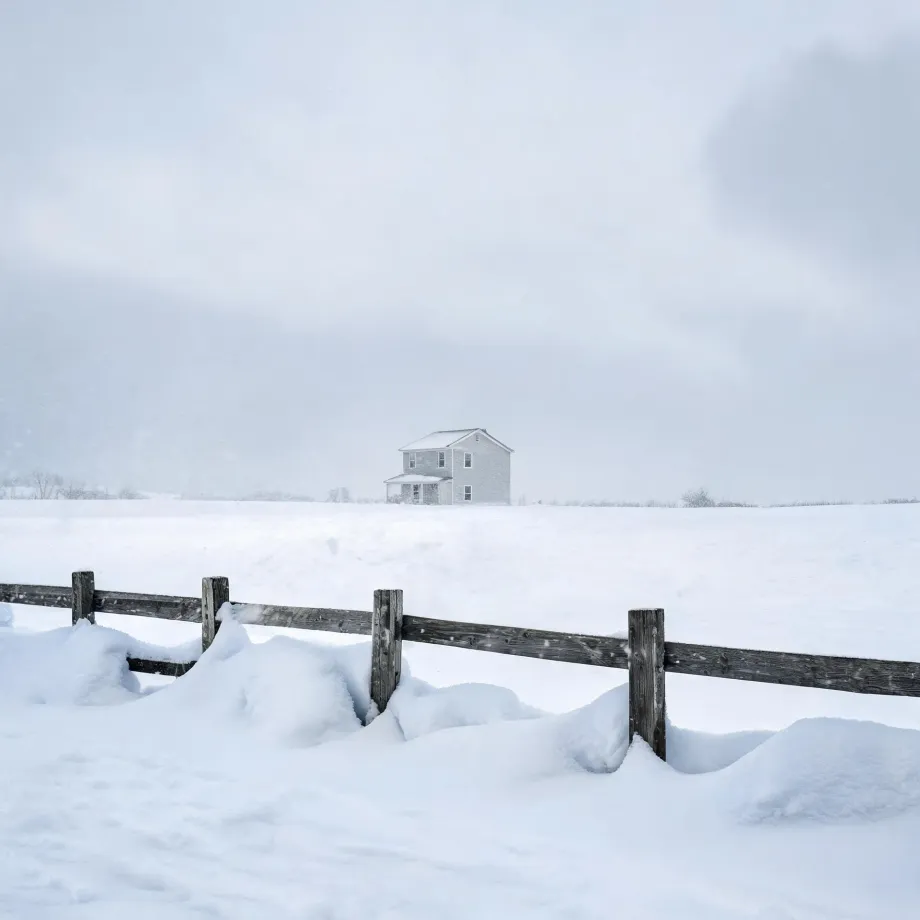
On a furnace repair call in Washington County, the burner assembly and heat exchanger are where a contractor starts. Homes in Washington County, KS run heat about seven months a year, from October through April. That sustained cycling stresses the ignition system and the heat exchanger more than any other part of the unit, because they fire and cool on every call, month after month, until the season finally breaks. Cracks in a heat exchanger or a worn igniter are not random failures here. They follow directly from what the equipment has been asked to carry.
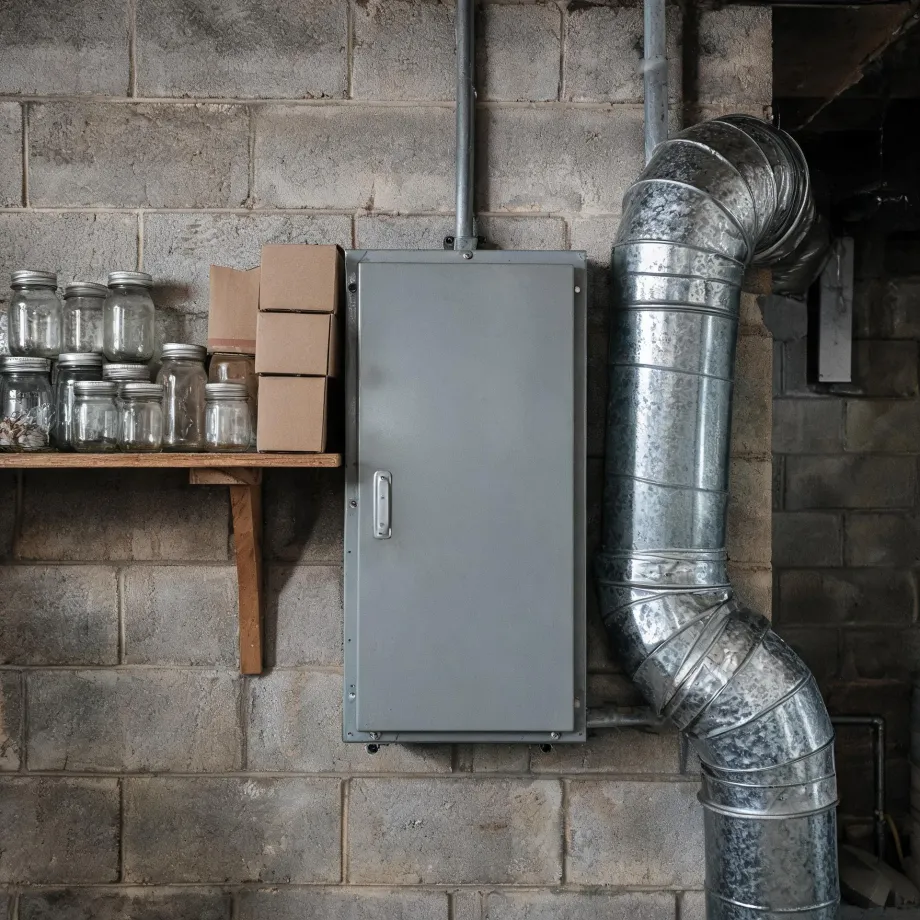
Half the homes in Washington County, Kansas were built in 1953 or earlier (2020-2024 ACS 5-year). A furnace running in a house that old is unlikely to be the original unit, but the system now in it still predates most current parts catalogs by enough that a contractor opening it may find components on the edge of obsolescence. What drives the scope and the cost of a repair here is whether the part a specific heat exchanger or burner assembly requires can still be ordered, or whether the job becomes a conversation about what is realistically serviceable. That is the question the contractor has to answer once the cabinet is open.
The Parts of a Furnace a Contractor Checks First
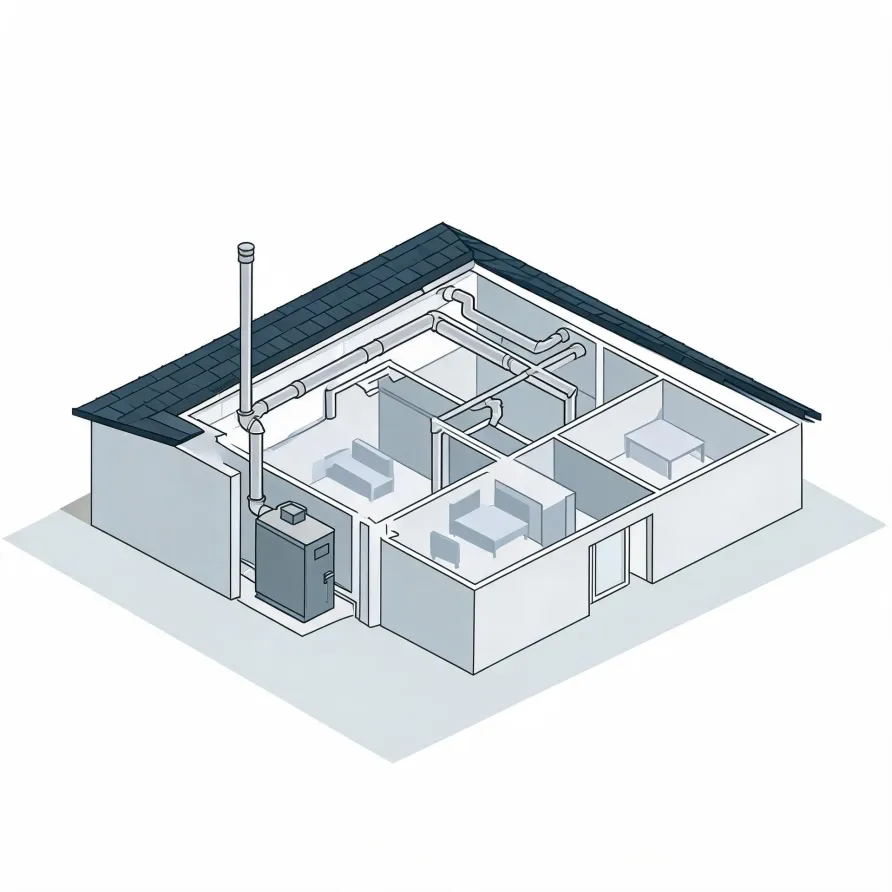
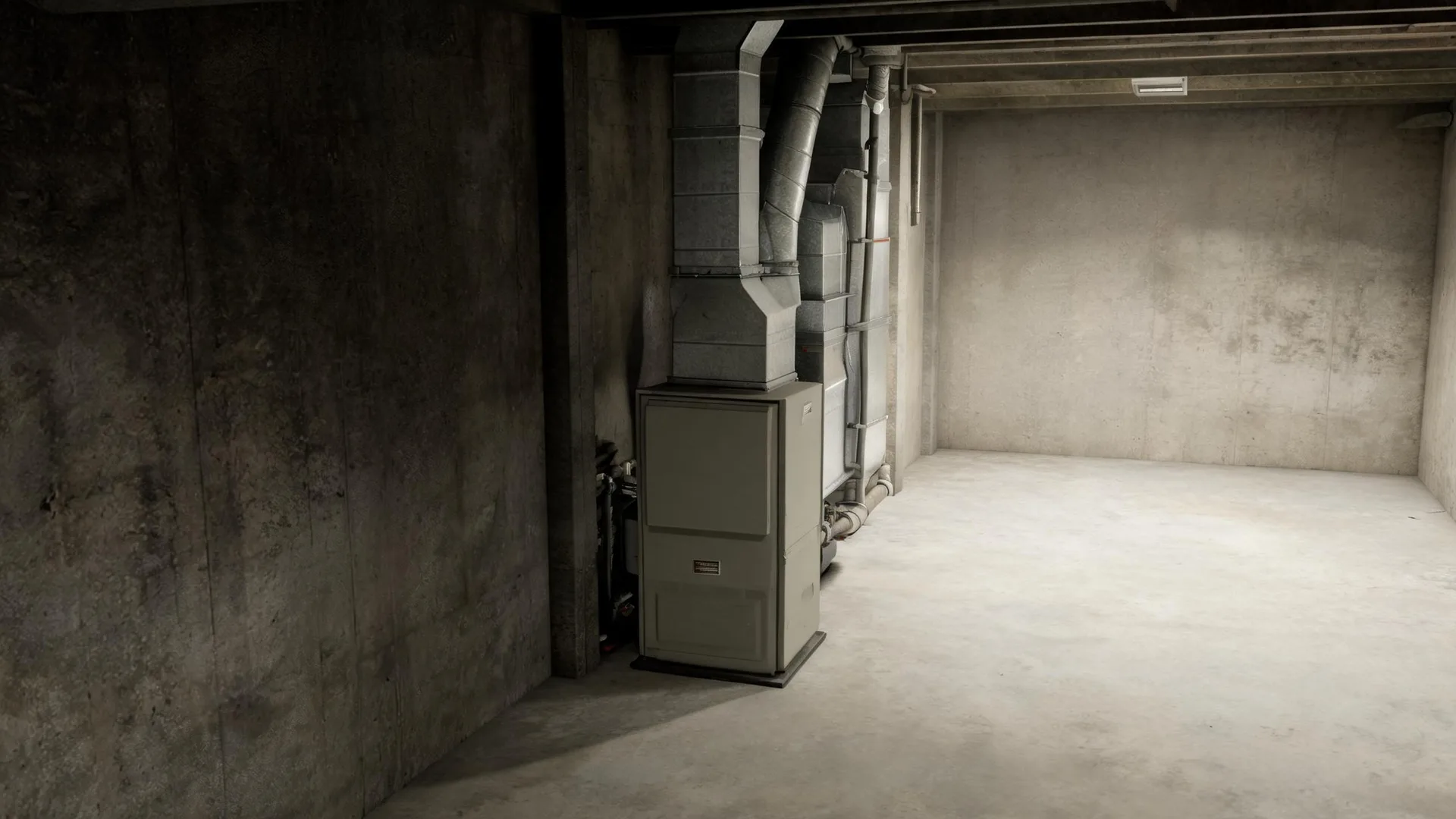
The heat exchanger sits at the core of the furnace cabinet and is where a contractor looks early in any repair call. Cracks or fatigue there affect the whole system. The burner assembly feeds it directly, and a faulty igniter, flame sensor, or gas valve will stop combustion before the heat exchanger ever gets to work.
The blower motor and its wheel sit in the lower section of the cabinet and push conditioned air into the supply side of the house. The control board, also inside the cabinet, reads the thermostat signal and coordinates every other component. When either fails, the furnace may run partially or not at all.
The drawing shows a typical furnace layout, and a licensed contractor determines which components apply to the specific equipment and installation in your home.
Get matched in Washington CountyWashington County, Kansas, by the numbers
145 severe weather events were recorded in Washington County, Kansas between 2015 and 2024.
NOAA National Centers for Environmental Information, Storm Events Database, bulk CSV export, events 2015-01-01 through 2024-12-31.Half the homes in Washington County, Kansas were built in 1953 or earlier (2020-2024 ACS 5-year).
U.S. Census Bureau, 2020-2024 American Community Survey 5-Year EstimatesWashington County, Kansas holds 2,714 housing units (2020-2024 ACS 5-year).
U.S. Census Bureau, 2020-2024 American Community Survey 5-Year EstimatesOwners occupy 78.5% of the occupied homes in Washington County, Kansas (2020-2024 ACS 5-year).
U.S. Census Bureau, 2020-2024 American Community Survey 5-Year EstimatesCodes & Standards Behind Furnace Repair in Washington County, Kansas4 sourced rules & standards
What Happens When a Contractor Comes Out
Non-weatherized gas furnaces manufactured on or after November 19, 2015 must reach 80.0 percent AFUE.
Non-weatherized oil-fired furnaces manufactured on or after November 19, 2015 must reach 83.0 percent AFUE.
Mobile home gas furnaces manufactured on or after November 19, 2015 must reach 80.0 percent AFUE.
Non-weatherized gas furnaces manufactured on or after December 18, 2028 must reach 95.0 percent AFUE, up from the 80.0 percent minimum that applies to units manufactured before that date.
Severe Weather Events in Washington County
Weather in Washington County puts real stress on furnace systems, pushing them to run harder and longer than they would in milder conditions. How much stress depends on what the years here actually look like, and that is a local question.
145 severe weather events, 2015–2024. Source: NOAA National Centers for Environmental Information, Storm Events Database.