Tell us about the job
Takes about a minute. No obligation.
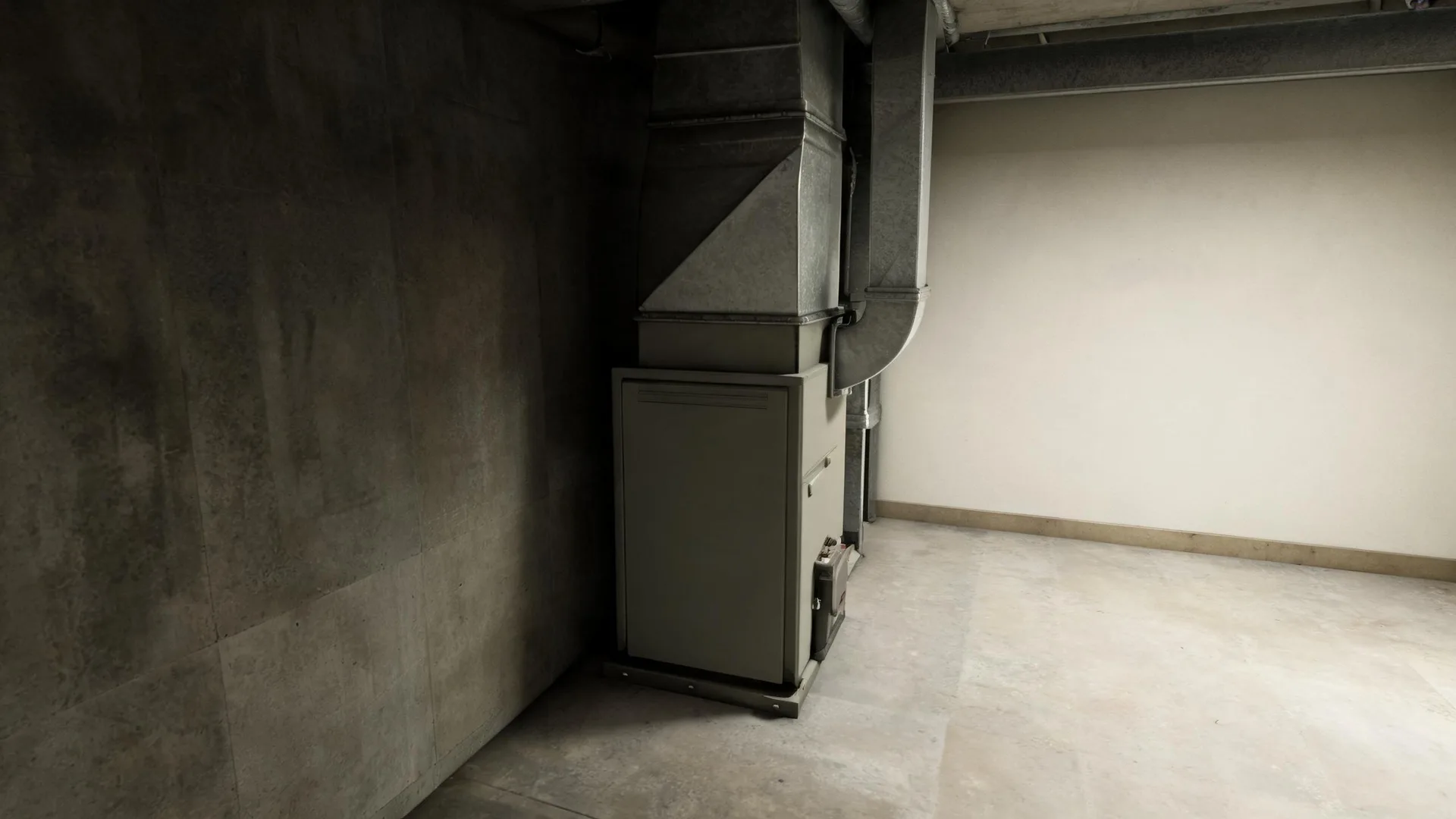
A furnace repair quote in Smith County starts with the burner assembly and ignition system, because those are the parts that cycle every time the heat comes on. Homes in Smith County, KS run heat about eight months a year, from October through May. That kind of sustained cycling builds carbon on burner ports, fatigues igniters, and stresses heat exchanger welds in ways that show up long before a homeowner notices reduced output. A contractor opening a furnace here expects to find wear on those components first, and prices the repair around what they actually find.
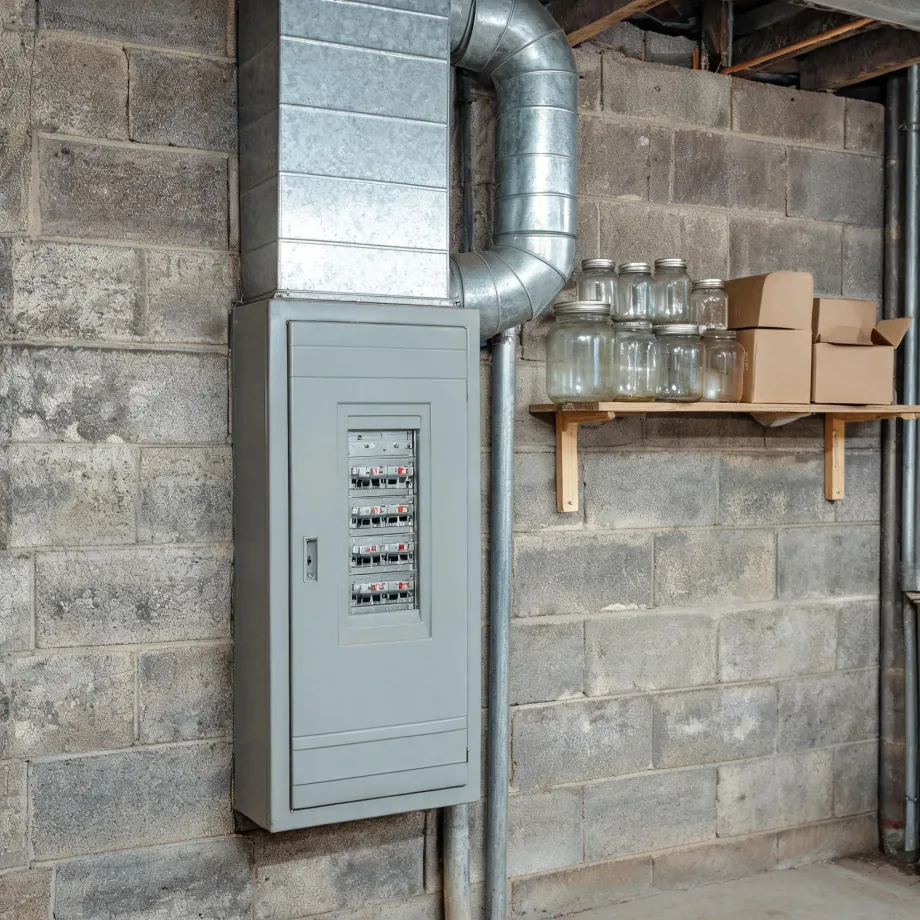
Furnace parts availability is the variable that most often resets the scope of a repair here. Half the homes in Smith County, Kansas were built in 1954 or earlier (2020-2024 ACS 5-year). Houses built then were heated by equipment that no longer exists, which means the systems running in them today were retrofitted into structures built for something else, and when those systems fail, a contractor opening the unit has to determine whether replacement components are still manufactured before a repair path even exists. A discontinued part turns a repair call into a replacement decision.
The Parts of a Furnace a Contractor Checks First
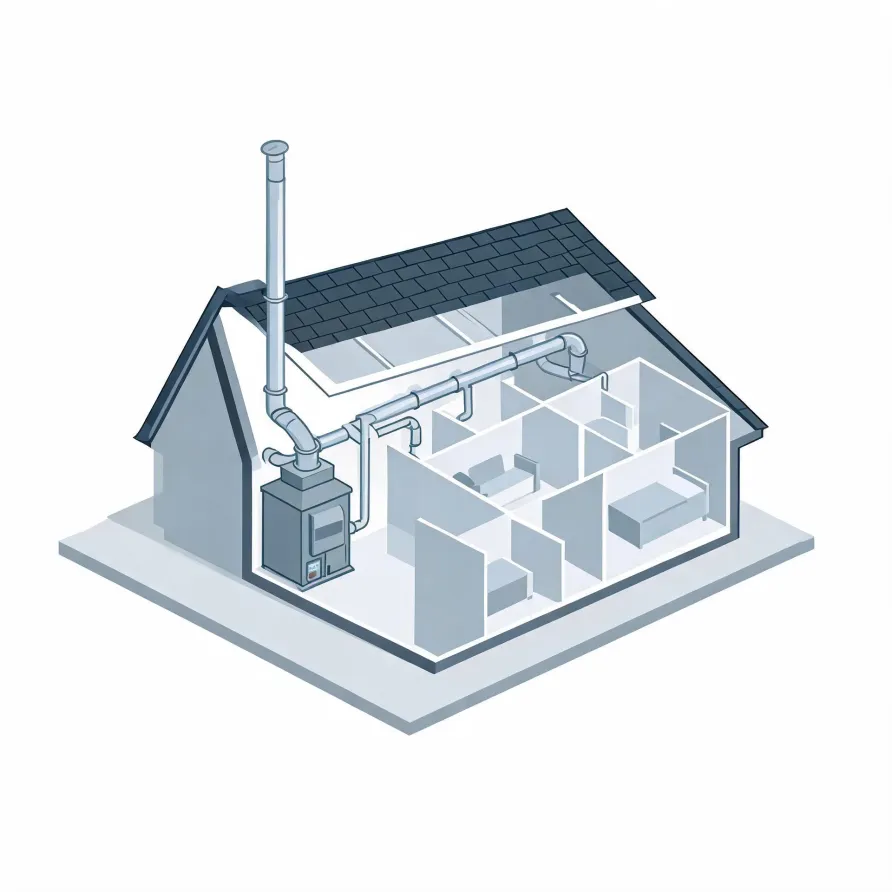
The heat exchanger sits at the core of the furnace cabinet in your basement or utility room, and it is the piece a contractor goes to early when the system is running but the house stays cold or when carbon monoxide is a concern. The burners, which fire just below it, are another early stop when the furnace fails to light or cycles off too quickly.
The blower motor and its wheel sit in the lower half of the cabinet and push conditioned air out through the supply side of your ducts. The control board, the igniter, the flame sensor, and the limit switch all live inside the same cabinet and each one can stop the furnace from completing a heating cycle when it fails.
The drawing shows a typical furnace layout, and a licensed contractor will determine which components apply to your specific system and what work they actually need.
Get matched in Smith CountySmith County, Kansas, by the numbers
123 severe weather events were recorded in Smith County, Kansas between 2015 and 2024.
NOAA National Centers for Environmental Information, Storm Events Database, bulk CSV export, events 2015-01-01 through 2024-12-31.Half the homes in Smith County, Kansas were built in 1954 or earlier (2020-2024 ACS 5-year).
U.S. Census Bureau, 2020-2024 American Community Survey 5-Year EstimatesSmith County, Kansas holds 2,024 housing units (2020-2024 ACS 5-year).
U.S. Census Bureau, 2020-2024 American Community Survey 5-Year EstimatesOwners occupy 84.8% of the occupied homes in Smith County, Kansas (2020-2024 ACS 5-year).
U.S. Census Bureau, 2020-2024 American Community Survey 5-Year EstimatesCodes & Standards Governing Furnace Repair in Smith County, Kansas4 sourced rules and standards
What happens when a contractor comes out
Non-weatherized gas furnaces manufactured on or after November 19, 2015 must reach 80.0 percent AFUE.
Non-weatherized oil-fired furnaces manufactured on or after November 19, 2015 must reach 83.0 percent AFUE.
Mobile home gas furnaces manufactured on or after November 19, 2015 must reach 80.0 percent AFUE.
Non-weatherized gas furnaces manufactured on or after December 18, 2028 must reach 95.0 percent AFUE, up from the 80.0 percent minimum that applies to units manufactured before that date.
Severe Weather Events in Smith County
Kansas weather puts real stress on heating equipment, and how much stress depends on where a home sits. Furnace systems in Smith County absorb whatever the local climate delivers, and that workload shapes how often repairs become necessary.
123 severe weather events, 2015–2024. Source: NOAA National Centers for Environmental Information, Storm Events Database.