Tell us about the job
Takes about a minute. No obligation.
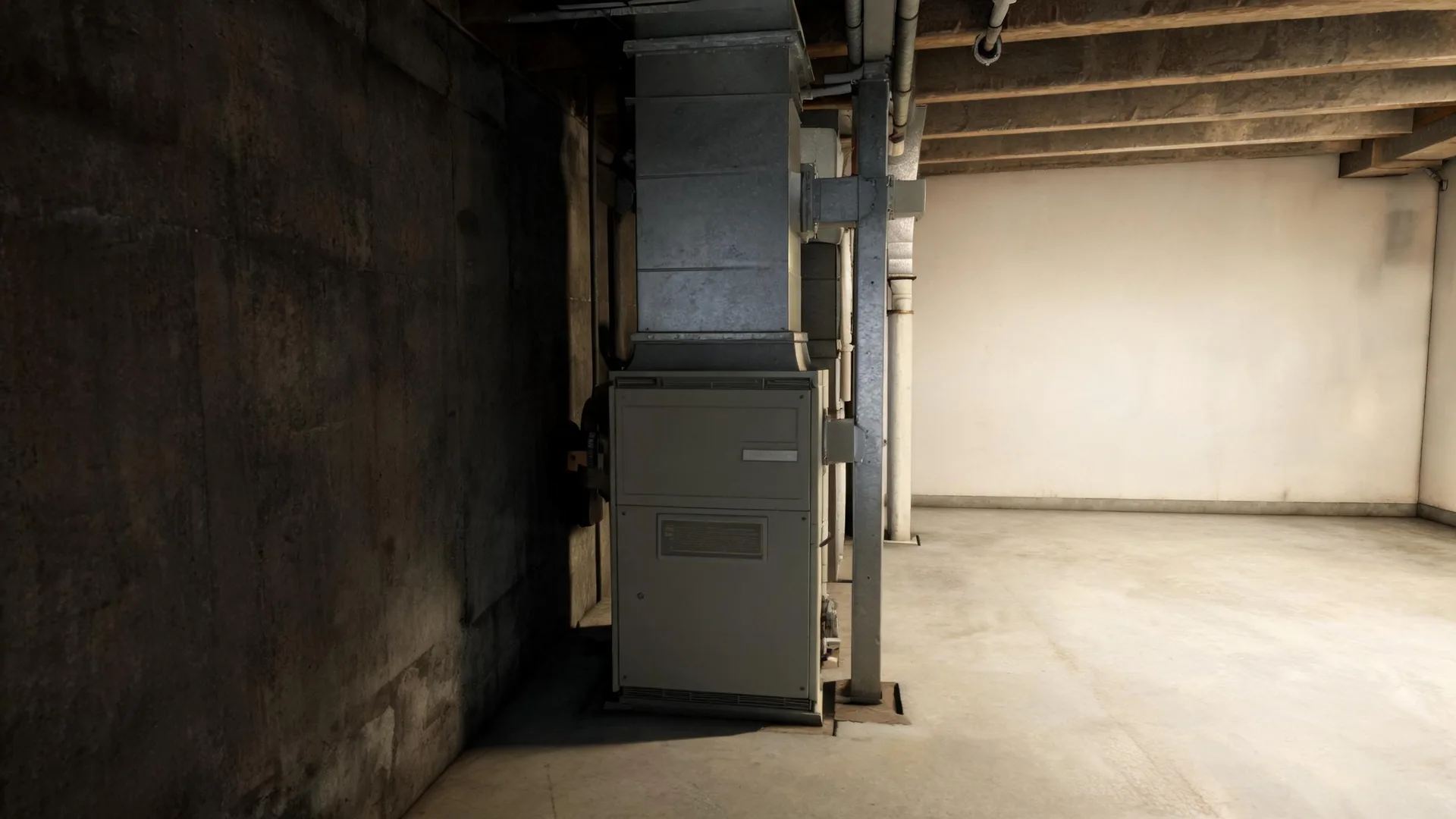
A furnace in Phillips County cycles its burner and ignition system through a long run each year, and the parts that light and sustain combustion accumulate wear at a rate a short-season system never sees. Homes in Phillips County, KS run heat about eight months a year, from October through May. By the time a homeowner calls for a repair, the igniter, flame sensor, and burner assembly have logged years of hard cycling, and a contractor who starts the diagnostic at the heat exchanger is likely working backward. The wear pattern points upstream first.
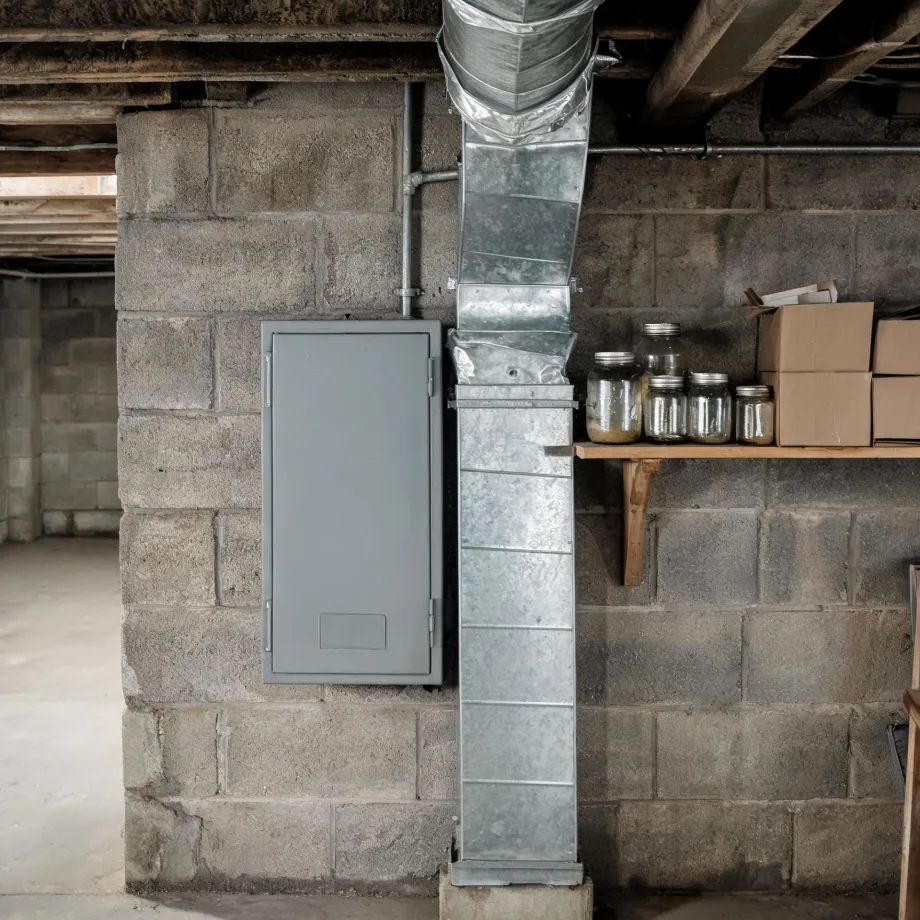
Half the homes in Phillips County, Kansas were built in 1961 or earlier (2020-2024 ACS 5-year). A furnace that has been running in a house since that era of construction is a specific diagnostic problem: when a contractor opens the unit, what they find is often a heat exchanger, a limit switch, or a control board sized for a product line that manufacturers stopped supporting years back. The parts a system like that takes are still findable, but a contractor has to know where to look and whether what they find is genuinely compatible or just close enough to fit. That difference shows up in the repair bill and in how long the fix holds.
The Parts of a Furnace a Contractor Checks First
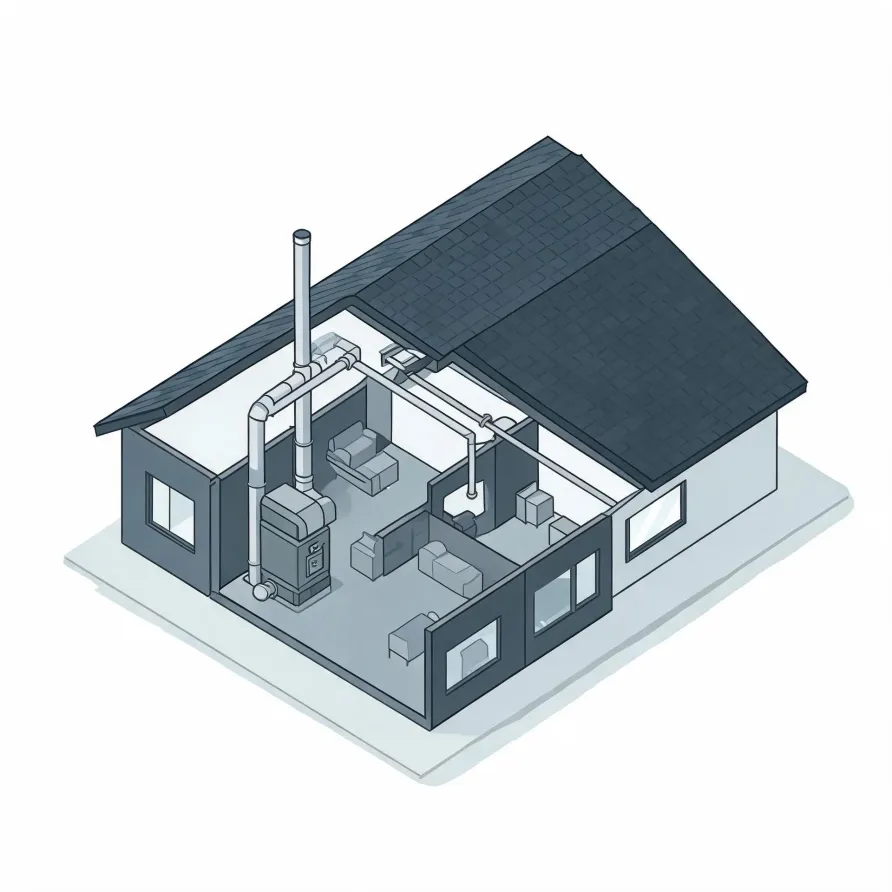
The heat exchanger sits inside the furnace cabinet in the basement or utility closet and is the piece a contractor goes to early: cracks or corrosion there let combustion gases into the air supply. The burner assembly sits just below it and is what actually ignites the fuel. When a furnace runs but fails to heat, or cycles off before the house reaches temperature, one of those two pieces is usually where the diagnosis starts.
The blower motor and its fan wheel sit at the base of the cabinet and push conditioned air into the supply plenum. The inducer motor pulls exhaust out through the flue before each firing cycle. The control board ties all of it together, reading signals from the thermostat and telling each component when to run. A fault in any one of them can mimic a fault in the others, which is why a contractor works through the system rather than replacing parts at random.
The drawing shows a typical furnace layout, and a licensed contractor determines which components and conditions apply to your specific installation.
Get matched in Phillips CountyPhillips County by the numbers
189 severe weather events were recorded in Phillips County, Kansas between 2015 and 2024.
NOAA National Centers for Environmental Information, Storm Events Database, bulk CSV export, events 2015-01-01 through 2024-12-31.Half the homes in Phillips County, Kansas were built in 1961 or earlier (2020-2024 ACS 5-year).
U.S. Census Bureau, 2020-2024 American Community Survey 5-Year EstimatesPhillips County, Kansas holds 2,790 housing units (2020-2024 ACS 5-year).
U.S. Census Bureau, 2020-2024 American Community Survey 5-Year EstimatesOwners occupy 78.0% of the occupied homes in Phillips County, Kansas (2020-2024 ACS 5-year).
U.S. Census Bureau, 2020-2024 American Community Survey 5-Year EstimatesCodes & Standards Governing Furnace Repair in Phillips County, Kansas4 sourced rules & standards
What the repair visit actually looks like
Non-weatherized gas furnaces manufactured on or after November 19, 2015 must reach 80.0 percent AFUE.
Non-weatherized oil-fired furnaces manufactured on or after November 19, 2015 must reach 83.0 percent AFUE.
Mobile home gas furnaces manufactured on or after November 19, 2015 must reach 80.0 percent AFUE.
Non-weatherized gas furnaces manufactured on or after December 18, 2028 must reach 95.0 percent AFUE, up from the 80.0 percent minimum that applies to units manufactured before that date.
Severe Weather Events in Phillips County
Harsh weather puts real stress on furnace systems, cycling them hard through temperature swings and power disruptions. How much of that a furnace has absorbed over its life shapes what kind of repair work it needs now.
189 severe weather events, 2015–2024. Source: NOAA National Centers for Environmental Information, Storm Events Database.