Tell us about the job
Takes about a minute. No obligation.
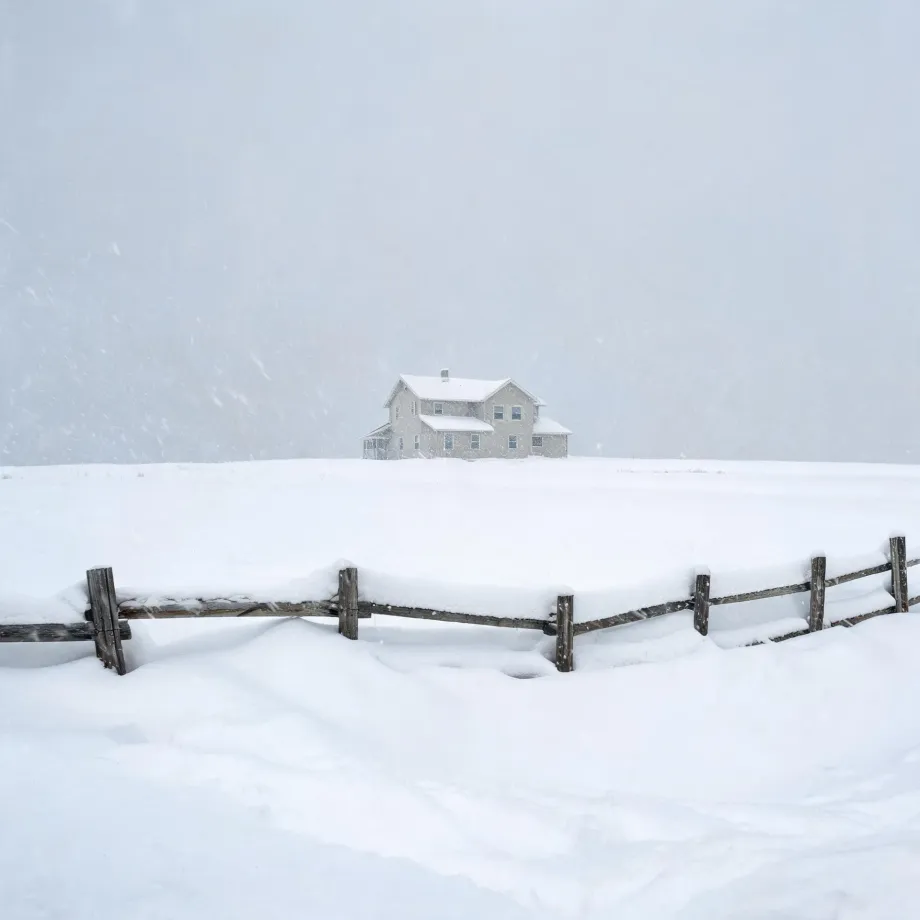
A furnace in this area runs its burner and heat exchanger hard before it ever gets a break. Homes in Stevens County, KS run heat about seven months a year, from October through April. That accumulation shows up in cracked heat exchangers, worn igniter assemblies, and burner ports that have cycled through enough heating seasons to collect residue and stress fractures. A contractor diagnosing a repair here checks those components before anything else, because that is where the load lands first and most often.
Furnace parts for equipment installed in houses this old are not always in active production. Half the homes in Stevens County, Kansas were built in 1974 or earlier (2020-2024 ACS 5-year). When a contractor opens a furnace here, the question that shapes the repair bill is often whether the heat exchanger, inducer motor, or control board the unit takes is still being manufactured or has to be sourced on the secondary market. A part that is available ships quickly and the job is straightforward. One that is not changes what the contractor has to recommend.
The Parts of a Furnace a Contractor Checks First
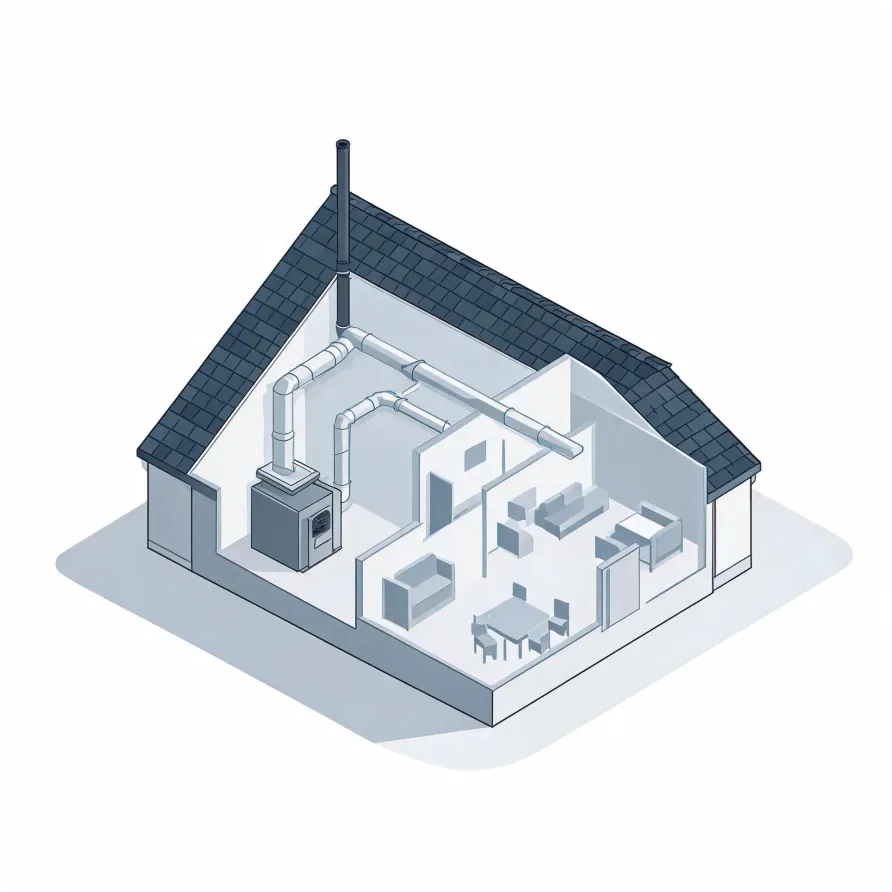
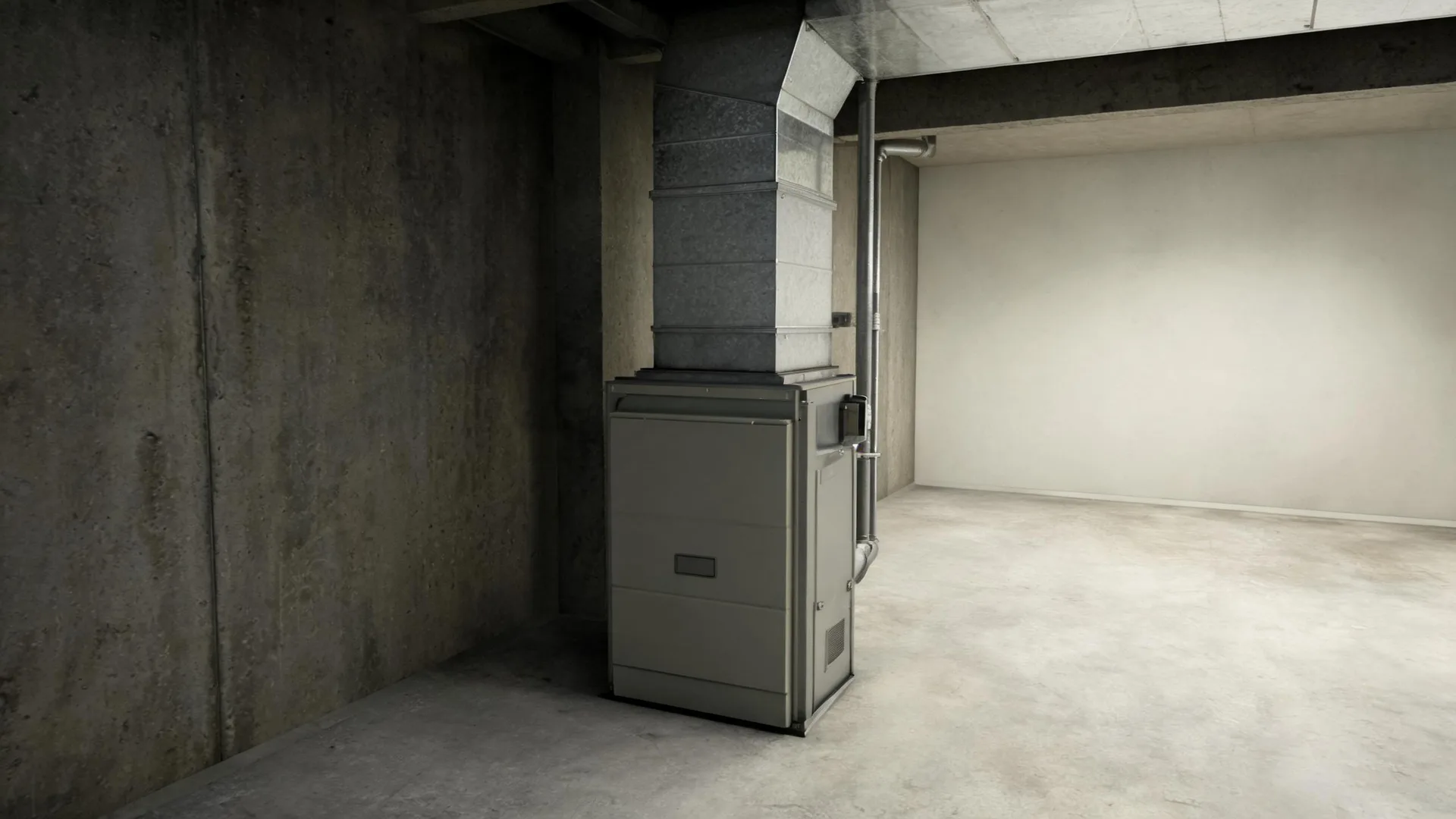
The furnace itself sits in the basement, utility room, or closet and is the piece a contractor goes to first. Inside it, the heat exchanger does the work of warming air, and a cracked or corroded exchanger is one of the more serious faults a contractor looks for. The burners, which fire inside that exchanger, are another early stop when the system is not heating properly.
The blower motor pulls air through the system and pushes it out through the house. When a furnace runs but rooms stay cold, the blower is a likely place to look. Sitting at the intake side, the filter and the inducer fan are also checked early, since a blocked filter or a failing inducer can mimic the symptoms of larger problems.
The drawing shows a typical furnace layout, and a licensed contractor determines which components apply to your specific system.
Get matched in Stevens CountyStevens County, Kansas, by the numbers
102 severe weather events were recorded in Stevens County, Kansas between 2015 and 2024.
NOAA National Centers for Environmental Information, Storm Events Database, bulk CSV export, events 2015-01-01 through 2024-12-31.Half the homes in Stevens County, Kansas were built in 1974 or earlier (2020-2024 ACS 5-year).
U.S. Census Bureau, 2020-2024 American Community Survey 5-Year EstimatesStevens County, Kansas holds 2,265 housing units (2020-2024 ACS 5-year).
U.S. Census Bureau, 2020-2024 American Community Survey 5-Year EstimatesOwners occupy 74.5% of the occupied homes in Stevens County, Kansas (2020-2024 ACS 5-year).
U.S. Census Bureau, 2020-2024 American Community Survey 5-Year EstimatesCodes & Standards for Furnace Repair in Stevens County, Kansas4 sourced rules & standards
What Happens When the Contractor Arrives
Non-weatherized gas furnaces manufactured on or after November 19, 2015 must reach 80.0 percent AFUE.
Non-weatherized oil-fired furnaces manufactured on or after November 19, 2015 must reach 83.0 percent AFUE.
Mobile home gas furnaces manufactured on or after November 19, 2015 must reach 80.0 percent AFUE.
Non-weatherized gas furnaces manufactured on or after December 18, 2028 must reach 95.0 percent AFUE, up from the 80.0 percent minimum that applies to units manufactured before that date.
Severe Weather Events in Stevens County, Year by Year
Kansas weather puts real strain on heating equipment, and Stevens County sees its share of conditions that push furnaces hard. How often that happens locally shapes how much repair work equipment here actually faces.
102 severe weather events, 2015–2024. Source: NOAA National Centers for Environmental Information, Storm Events Database.