Tell us about the job
Takes about a minute. No obligation.
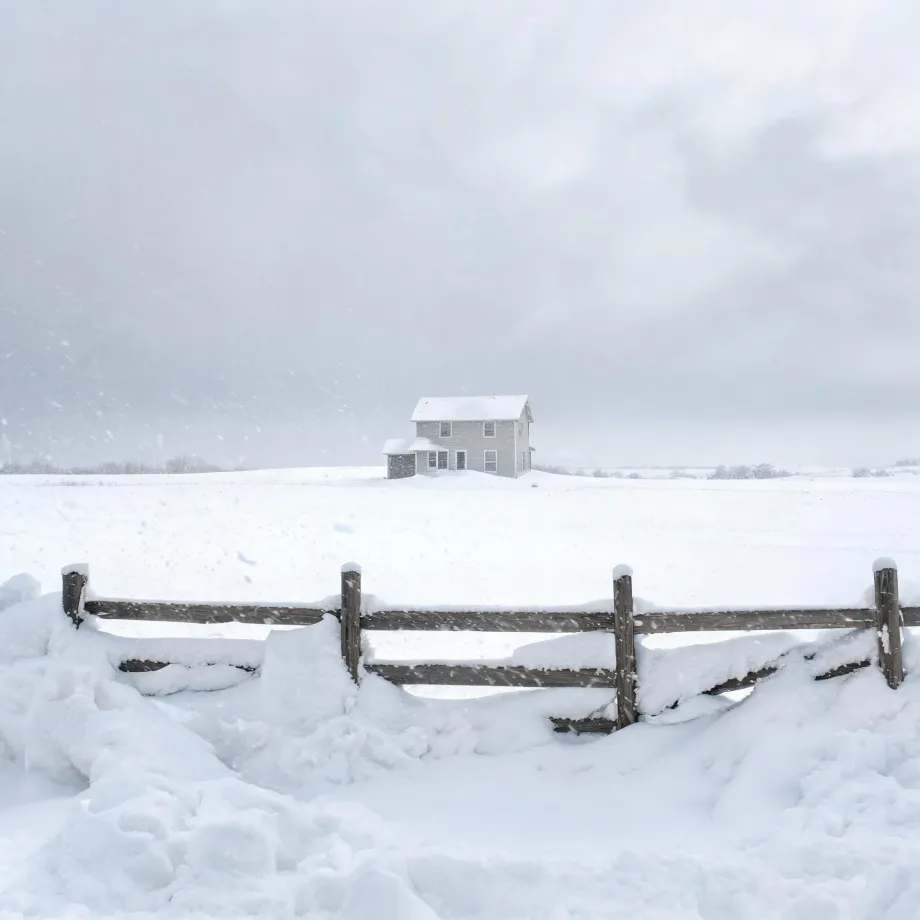
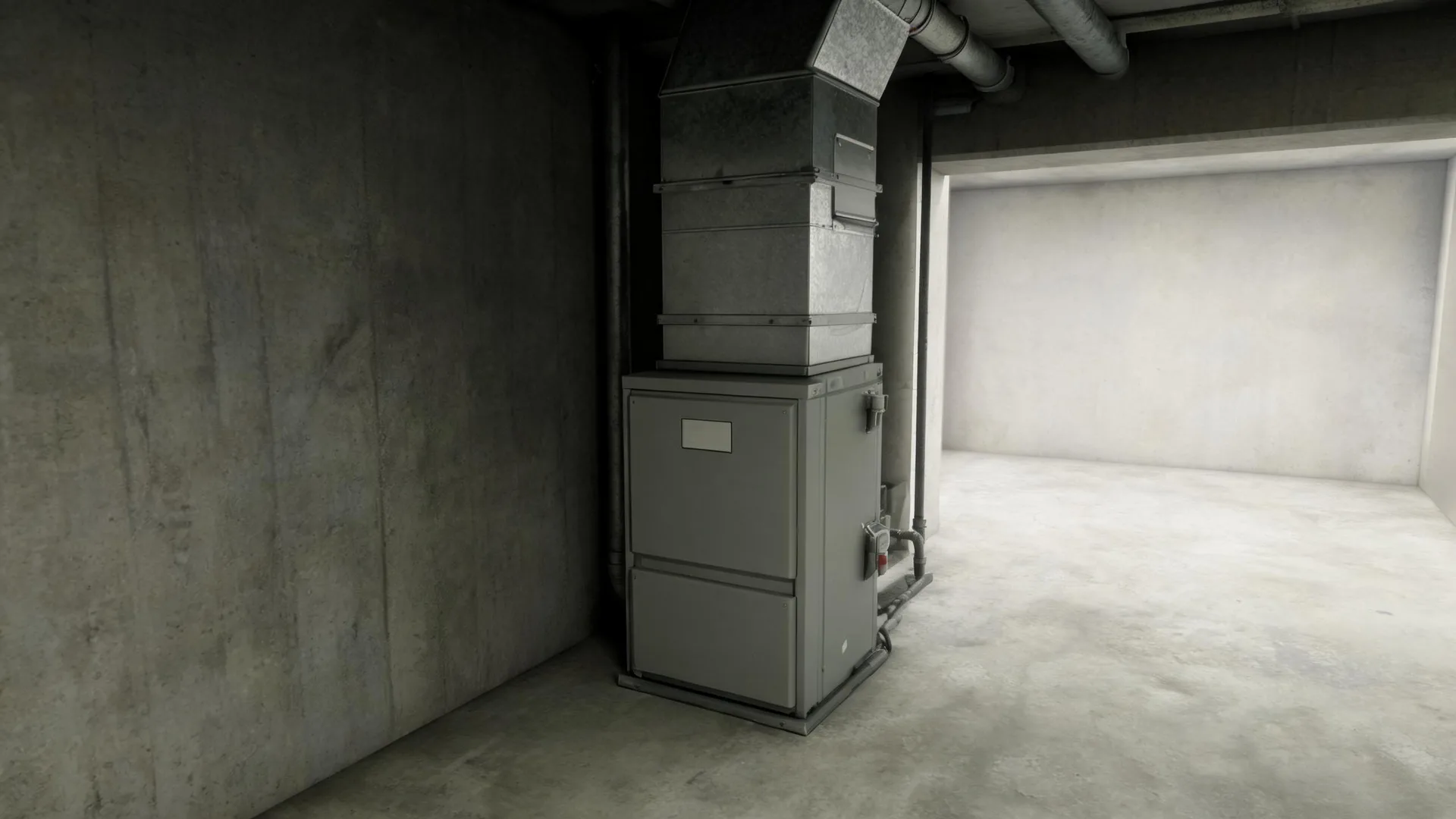
A furnace contractor in Morton County works out which components have taken the most wear before quoting a repair, and the burner, heat exchanger, and ignition system are where that starts. Homes in Morton County, KS run heat about seven months a year, from October through April. Across a heating season that long, those parts cycle on and off repeatedly through cold nights and mild afternoons, and the ignition system in particular accumulates stress from every start. A cracked heat exchanger or a weakening igniter is not a surprise finding on a furnace that has been doing that kind of work season after season.
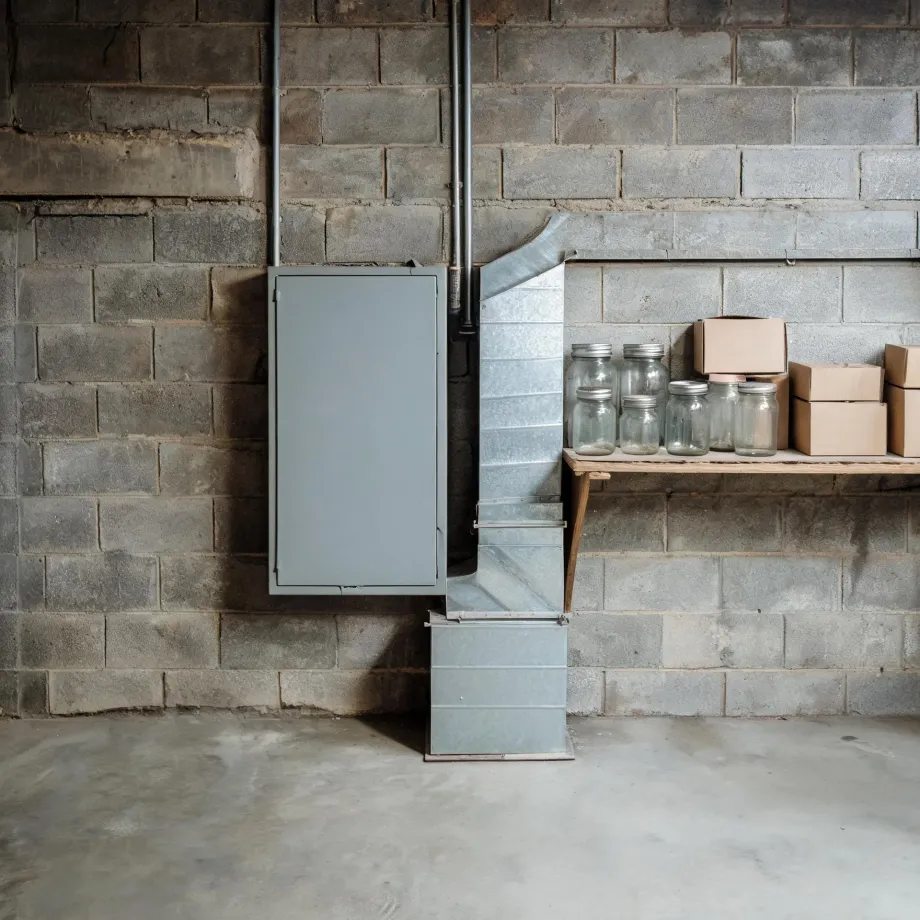
Furnaces in houses this old have often been swapped out at least once, but the parts inside the current unit may already be a generation behind what suppliers stock today. Half the homes in Morton County, Kansas were built in 1966 or earlier (2020-2024 ACS 5-year). A contractor who opens a furnace here and finds a failed heat exchanger, a cracked igniter, or a worn inducer motor has to verify availability before quoting the repair, because some components for systems installed into older retrofit configurations are no longer in regular production. That parts check is what shapes the scope and the cost of the job.
The Parts of a Furnace a Contractor Checks First
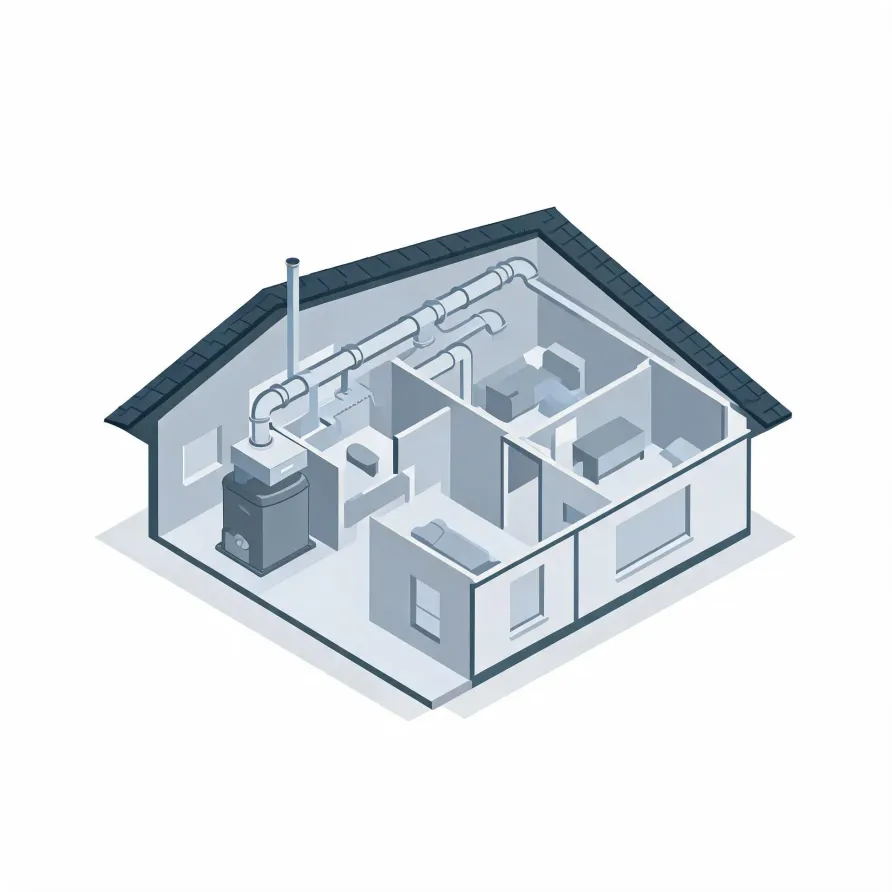
The furnace itself sits in a basement, utility closet, or crawl space, and it is the first place a contractor looks. Inside it, the heat exchanger and burner assembly are the usual suspects when heat stops or comes out wrong. The blower motor, also inside the cabinet, is what pushes conditioned air into the house.
The flue pipe runs from the furnace cabinet up and out of the house, carrying combustion gases away. Alongside it, the thermostat on the wall and the igniter inside the cabinet are both small parts that fail quietly and account for a large share of calls.
The drawing shows a typical furnace layout, and a licensed contractor determines which parts apply to the specific system in your home.
Get matched in Morton CountyMorton County, by the numbers
231 severe weather events were recorded in Morton County, Kansas between 2015 and 2024.
NOAA National Centers for Environmental Information, Storm Events Database, bulk CSV export, events 2015-01-01 through 2024-12-31.Half the homes in Morton County, Kansas were built in 1966 or earlier (2020-2024 ACS 5-year).
U.S. Census Bureau, 2020-2024 American Community Survey 5-Year EstimatesMorton County, Kansas holds 1,310 housing units (2020-2024 ACS 5-year).
U.S. Census Bureau, 2020-2024 American Community Survey 5-Year EstimatesOwners occupy 85.4% of the occupied homes in Morton County, Kansas (2020-2024 ACS 5-year).
U.S. Census Bureau, 2020-2024 American Community Survey 5-Year EstimatesCodes & Standards Covering Furnace Repair in Morton County, Kansas4 sourced rules and standards
What Happens When the Contractor Arrives
Non-weatherized gas furnaces manufactured on or after November 19, 2015 must reach 80.0 percent AFUE.
Non-weatherized oil-fired furnaces manufactured on or after November 19, 2015 must reach 83.0 percent AFUE.
Mobile home gas furnaces manufactured on or after November 19, 2015 must reach 80.0 percent AFUE.
Non-weatherized gas furnaces manufactured on or after December 18, 2028 must reach 95.0 percent AFUE, up from the 80.0 percent minimum that applies to units manufactured before that date.
Severe Weather Events in Morton County
Extreme weather puts real stress on furnace systems, pushing equipment harder and shortening the window before something fails. How often that happens here shapes the repair picture for Morton County homeowners.
231 severe weather events, 2015–2024. Source: NOAA National Centers for Environmental Information, Storm Events Database.