Tell us about the job
Takes about a minute. No obligation.
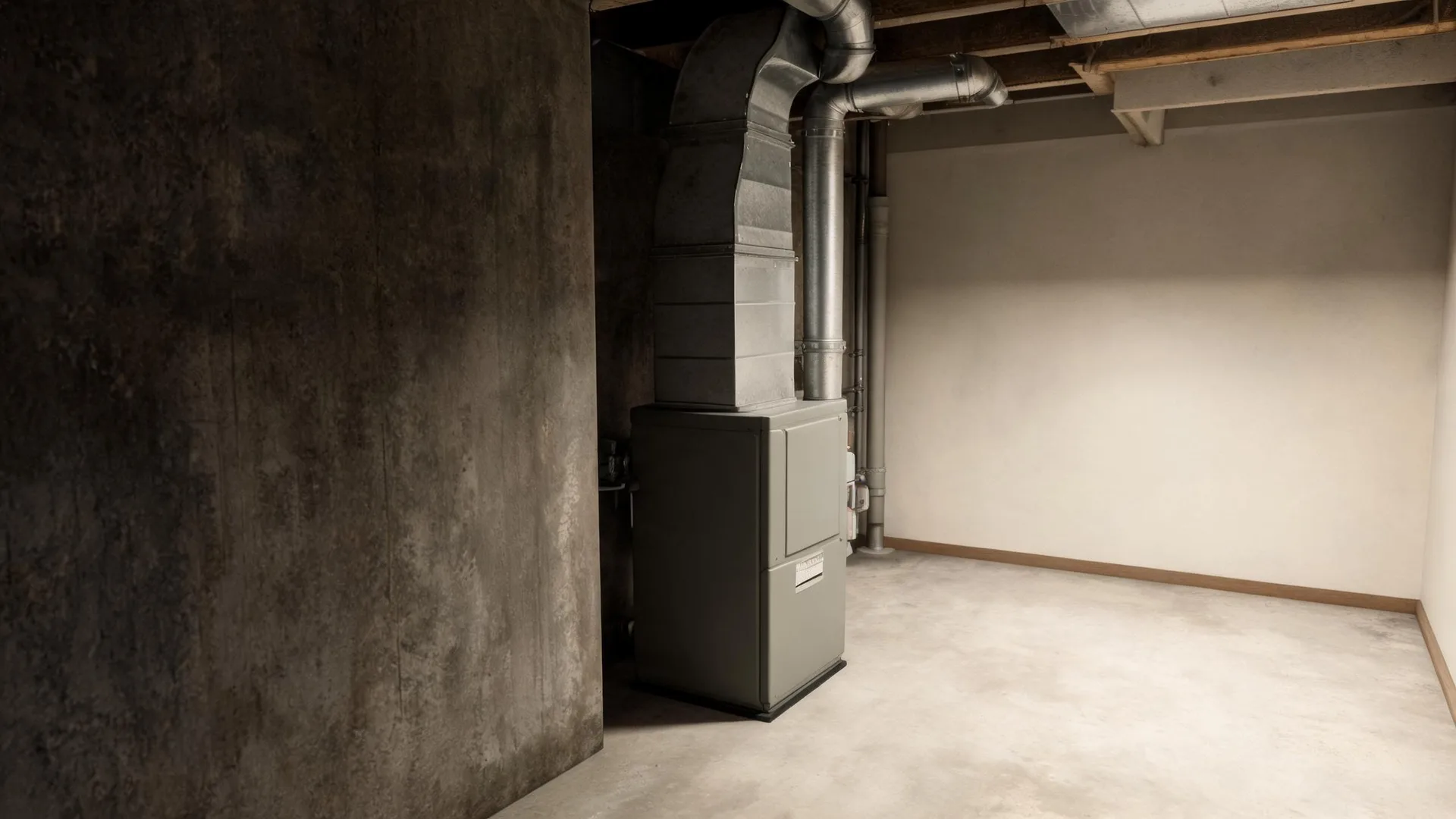
Sizing a furnace correctly for this county matters more than a contractor's rule of thumb from a catalog. Homes in Morton County, KS run heat about seven months a year, from October through April. The burner, heat exchanger, and ignition system cycle repeatedly through that span, and a unit that is undersized runs longer per cycle to hit the thermostat setpoint, loading those components harder with each run. A contractor who skips a proper load calculation here is setting up a system that will show the error in its wear pattern well before it would in a shorter heating season. Ductwork sealing and combustion air supply belong in the quote from the start.
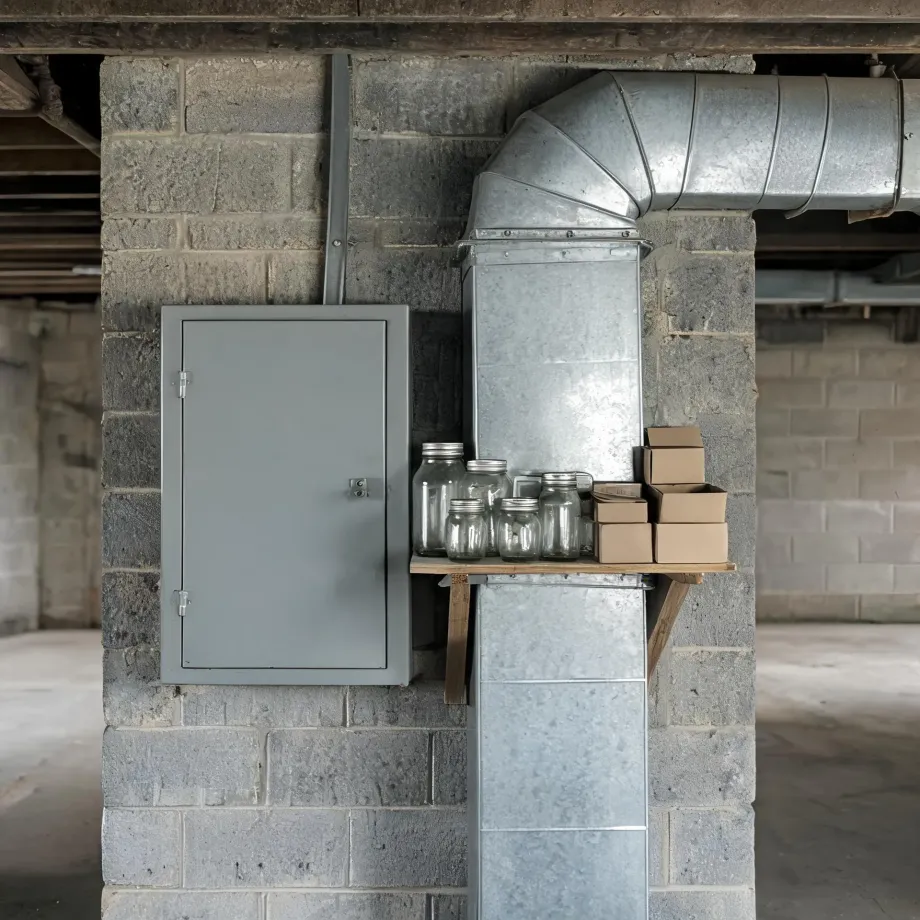
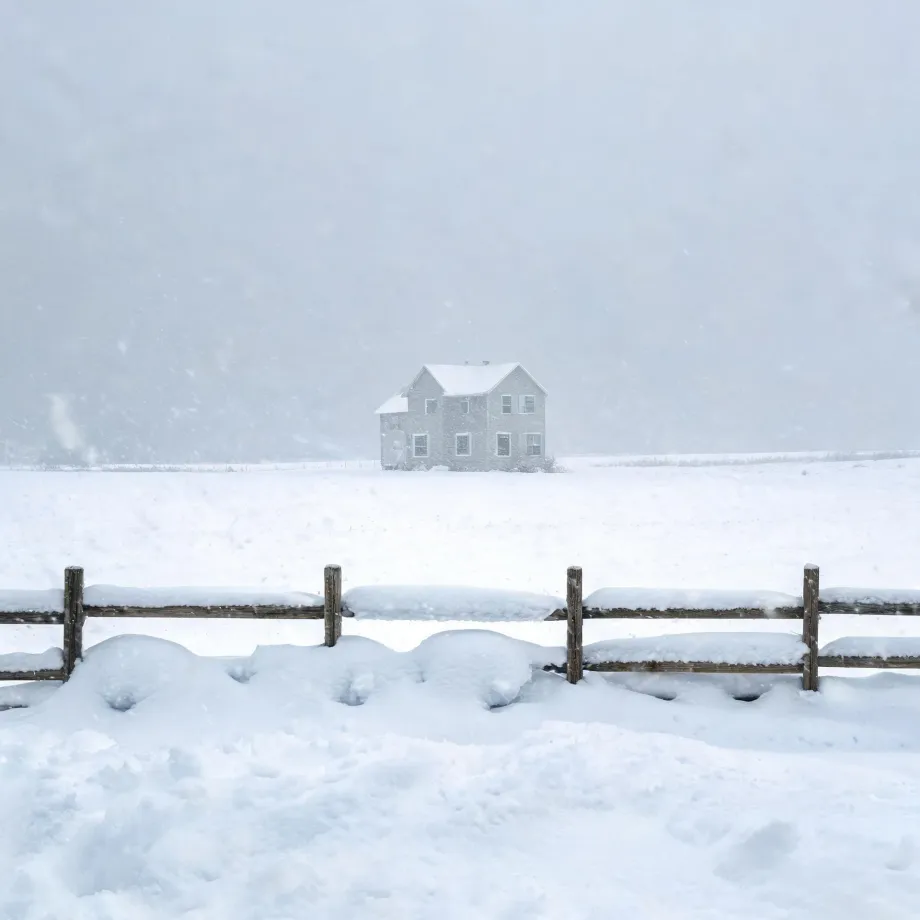
Existing ductwork is what a furnace installation turns on here, and in a county where the housing stock runs this old, that ductwork was sized and routed for equipment no longer in these houses. Half the homes in Morton County, Kansas were built in 1966 or earlier (2020-2024 ACS 5-year). What a contractor finds behind the walls and in the crawlspace determines the scope of the job more than the furnace itself does. Ducts that were undersized for a previous system, or that have been patched through successive replacements, can force a contractor to reconfigure the delivery side before the new unit will perform as rated. The electrical service is the second check, because a modern furnace draws on circuits that older installations were not always wired to support.
What Gets Installed With a New Furnace
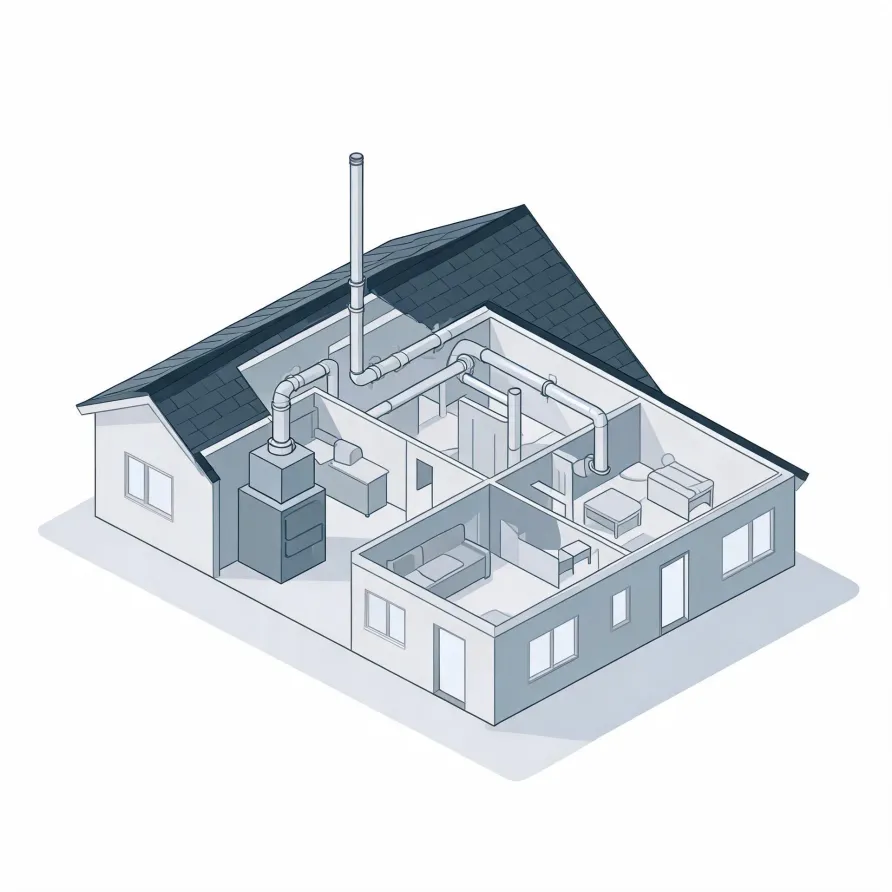
The furnace itself sits in the basement, utility room, or closet and is the unit a homeowner is most likely to recognize. Inside it, a heat exchanger and a blower work together: the exchanger does the heating and the blower pushes conditioned air into the supply side of the home. A new install puts all of that in place as a single unit.
The flue pipe runs from the furnace up and out of the house, carrying combustion gases away. Alongside the furnace, a contractor also places or replaces the air handler components that tie into the return side, and connects the thermostat wiring that lets the homeowner control the whole system from one point.
The drawing shows a general layout of these components, and a licensed contractor determines what applies to the specific configuration of your house.
Get matched in Morton CountyMorton County, Kansas, by the numbers
231 severe weather events were recorded in Morton County, Kansas between 2015 and 2024.
NOAA National Centers for Environmental Information, Storm Events Database, bulk CSV export, events 2015-01-01 through 2024-12-31.Half the homes in Morton County, Kansas were built in 1966 or earlier (2020-2024 ACS 5-year).
U.S. Census Bureau, 2020-2024 American Community Survey 5-Year EstimatesMorton County, Kansas holds 1,310 housing units (2020-2024 ACS 5-year).
U.S. Census Bureau, 2020-2024 American Community Survey 5-Year EstimatesOwners occupy 85.4% of the occupied homes in Morton County, Kansas (2020-2024 ACS 5-year).
U.S. Census Bureau, 2020-2024 American Community Survey 5-Year EstimatesCodes & Standards Behind Furnace Installation in Morton County, Kansas4 sourced rules & standards
What Happens During an HVAC Installation in Morton County
Non-weatherized gas furnaces manufactured on or after November 19, 2015 must reach 80.0 percent AFUE.
Non-weatherized oil-fired furnaces manufactured on or after November 19, 2015 must reach 83.0 percent AFUE.
Mobile home gas furnaces manufactured on or after November 19, 2015 must reach 80.0 percent AFUE.
Non-weatherized gas furnaces manufactured on or after December 18, 2028 must reach 95.0 percent AFUE, up from the 80.0 percent minimum that applies to units manufactured before that date.
Severe Weather Events in Morton County
Extreme weather puts a real load on heating equipment, and how hard a furnace has to work over its life depends on what the local climate actually does. That makes local weather history a practical part of any conversation about installation in Morton County.
231 severe weather events, 2015–2024. Source: NOAA National Centers for Environmental Information, Storm Events Database.