Tell us about the job
Takes about a minute. No obligation.
A furnace repair in Lane County starts with the parts that cycle hardest: the burner, the heat exchanger, and the ignition system. Homes in Lane County, KS run heat about seven months a year, from October through April. By the time a homeowner notices reduced heat or hears something off, the ignition system has already logged a full season's worth of starts and shutoffs, and the heat exchanger has expanded and contracted through months of daily cycling. A contractor diagnosing the fault checks those components before anything else, because fatigue in them is what the repair bill usually comes down to.
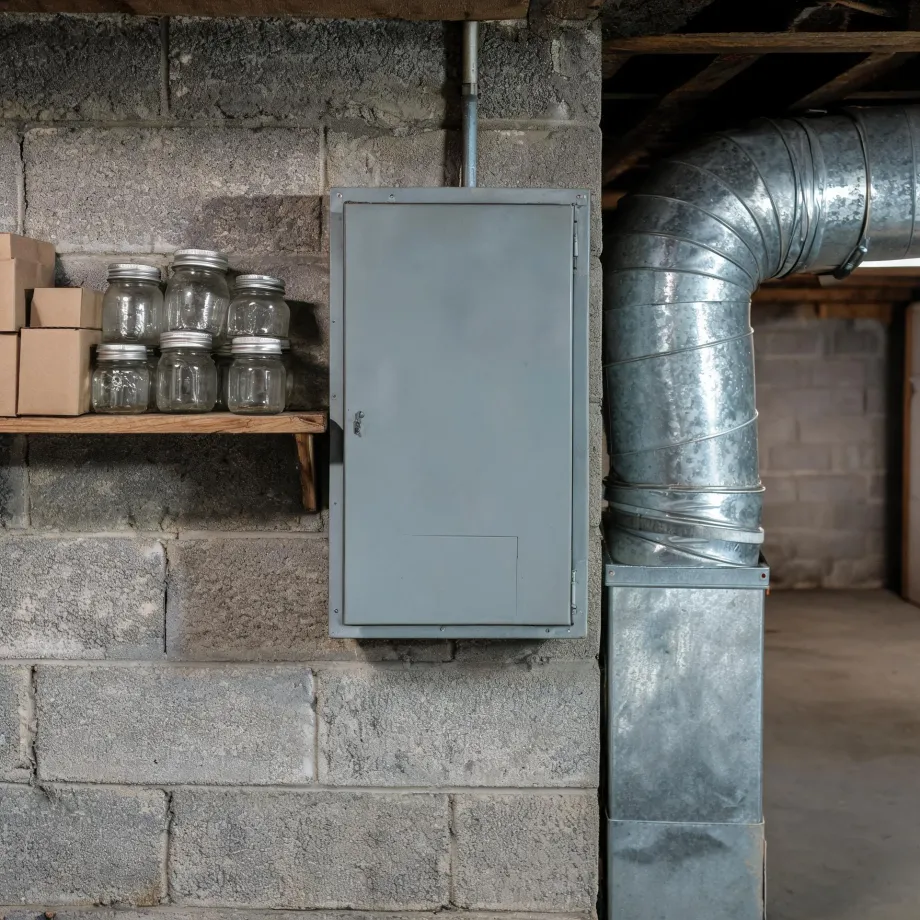
Furnaces in houses this old are often running on original or early-replacement parts that manufacturers stopped producing long ago. Half the homes in Lane County, Kansas were built in 1958 or earlier (2020-2024 ACS 5-year). When a contractor opens a heat exchanger or pulls a control board in stock like this, the question is not what the fault is but whether the replacement part exists in a current catalog or has to be sourced through a salvage supplier, and that difference changes both the timeline and the repair path. A gas valve or limit switch in a newer system ships next day. The same component in a furnace that has been in this housing stock since the house was new may not ship at all.
The Parts of a Furnace a Contractor Checks First
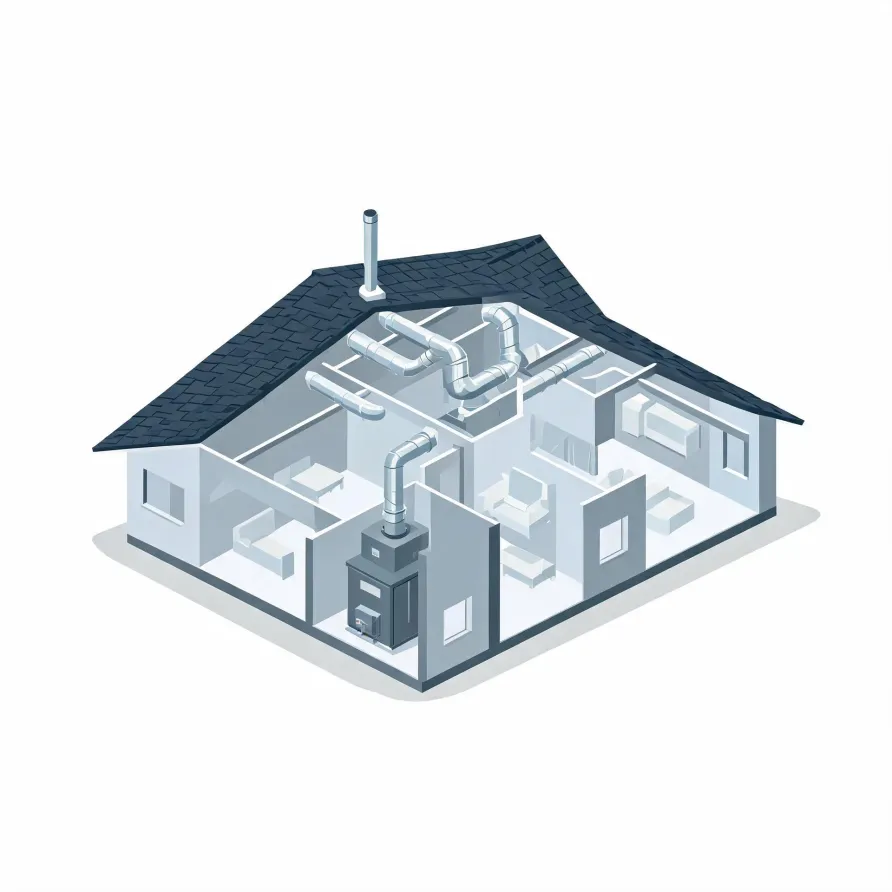
The heat exchanger sits at the center of the furnace cabinet and is where a contractor looks when a furnace runs but fails to heat properly or produces an odor. Beside it, the burner assembly is the first stop when a furnace will not ignite or cycles off too quickly. The blower motor, mounted at the base of the cabinet, drives air through the system and is a common source of both airflow problems and unusual noise.
The inducer motor pulls combustion gases out of the heat exchanger and vents them outside. A contractor checks it when a furnace trips a pressure switch or shuts down before completing a cycle. The control board and the flame sensor work together to sequence each component, and either one can cause erratic behavior, repeated lockouts, or a furnace that starts and then immediately shuts off.
The drawing shows a general layout of the system, and a licensed contractor determines which components apply and what condition they are in for your particular house.
Get matched in Lane CountyLane County, Kansas, by the numbers
100 severe weather events were recorded in Lane County, Kansas between 2015 and 2024.
NOAA National Centers for Environmental Information, Storm Events Database, bulk CSV export, events 2015-01-01 through 2024-12-31.Half the homes in Lane County, Kansas were built in 1958 or earlier (2020-2024 ACS 5-year).
U.S. Census Bureau, 2020-2024 American Community Survey 5-Year EstimatesLane County, Kansas holds 878 housing units (2020-2024 ACS 5-year).
U.S. Census Bureau, 2020-2024 American Community Survey 5-Year EstimatesOwners occupy 88.9% of the occupied homes in Lane County, Kansas (2020-2024 ACS 5-year).
U.S. Census Bureau, 2020-2024 American Community Survey 5-Year EstimatesCodes & Standards Behind Furnace Repair in Lane County, Kansas4 rules & standards
What Happens When a Contractor Comes Out
Non-weatherized gas furnaces manufactured on or after November 19, 2015 must reach 80.0 percent AFUE.
Non-weatherized oil-fired furnaces manufactured on or after November 19, 2015 must reach 83.0 percent AFUE.
Mobile home gas furnaces manufactured on or after November 19, 2015 must reach 80.0 percent AFUE.
Non-weatherized gas furnaces manufactured on or after December 18, 2028 must reach 95.0 percent AFUE, up from the 80.0 percent minimum that applies to units manufactured before that date.
Severe Weather Events in Lane County
Furnaces work hardest when outdoor conditions are extreme, and Lane County weather sets the terms for how much that is. Knowing the local pattern helps a contractor assess what the equipment has been through and what it is likely to face.
100 severe weather events, 2015–2024. Source: NOAA National Centers for Environmental Information, Storm Events Database.