Tell us about the job
Takes about a minute. No obligation.
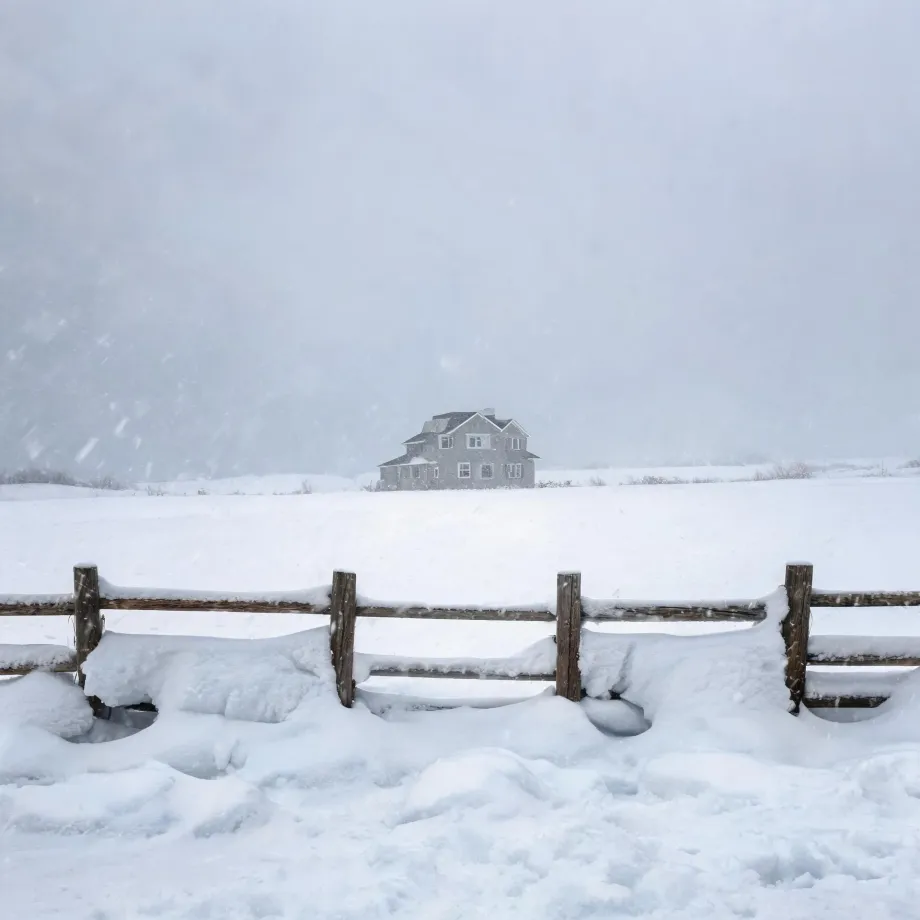
A furnace repair in Gove County starts with what has cycled the hardest. Homes in Gove County, KS run heat about eight months a year, from October through May. The burner and ignition system take the brunt of that: every heating cycle fires the igniter, seats the flame, and runs the heat exchanger through a thermal load that adds up over months. By the time a homeowner calls for a repair, those parts have accumulated wear that shows up in cracked igniters, weak flame sensors, and heat exchanger fatigue. A contractor quotes the repair after checking those components first.
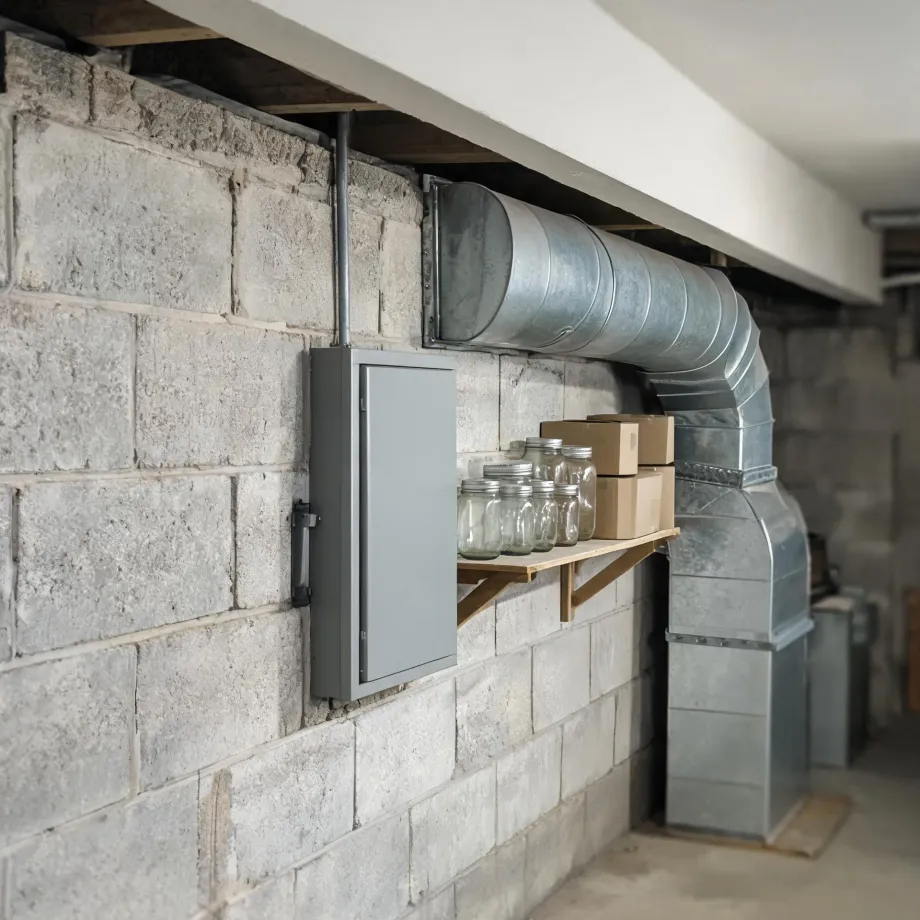
Ductwork in this county's older houses was sized and sealed for systems that are no longer made, and when a furnace fails, what matters is what opens up. Half the homes in Gove County, Kansas were built in 1958 or earlier (2020-2024 ACS 5-year). That depth of vintage means a contractor pulling a heat exchanger or checking a draft inducer is working with parts that manufacturers have discontinued or supply on a limited basis. A repair that looks like a straightforward component swap can turn into a sourcing problem, and the bill follows from what is still available, not from what the job looked like before the panels came off.
The Parts of a Furnace a Contractor Checks First
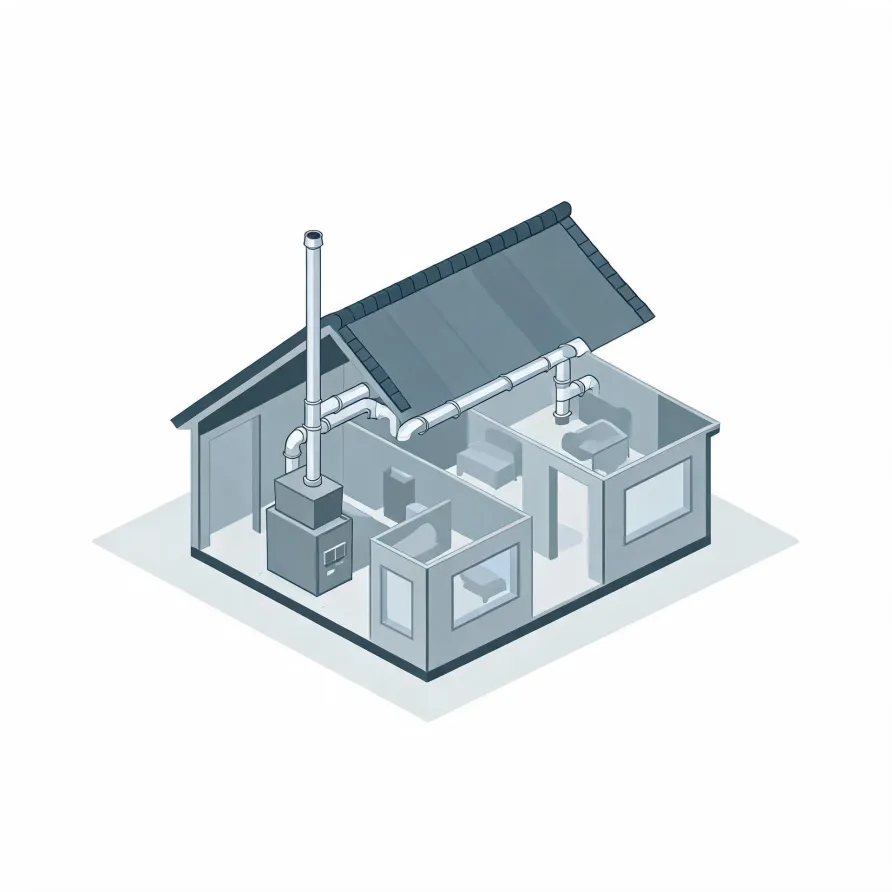
The heat exchanger sits at the core of the furnace cabinet in the mechanical room or utility space, and it is the piece a contractor looks at early in any repair call. Cracks or corrosion there affect both heat output and safety. The burner assembly fires just below it, and a dirty or misfiring burner is one of the first suspects when a furnace runs but heats poorly.
The blower motor and its fan wheel sit in the lower half of the cabinet and push conditioned air out through the supply side of the system. The inducer motor and flue assembly handle combustion exhaust at the top of the unit. The control board and the igniter are smaller components, but either one going bad can stop the furnace from starting at all.
The drawing shows a typical furnace layout, and a licensed contractor determines which components apply to the specific equipment and configuration in your home.
Get matched in Gove CountyGove County, by the numbers
267 severe weather events were recorded in Gove County, Kansas between 2015 and 2024.
NOAA National Centers for Environmental Information, Storm Events Database, bulk CSV export, events 2015-01-01 through 2024-12-31.Half the homes in Gove County, Kansas were built in 1958 or earlier (2020-2024 ACS 5-year).
U.S. Census Bureau, 2020-2024 American Community Survey 5-Year EstimatesGove County, Kansas holds 1,331 housing units (2020-2024 ACS 5-year).
U.S. Census Bureau, 2020-2024 American Community Survey 5-Year EstimatesOwners occupy 79.4% of the occupied homes in Gove County, Kansas (2020-2024 ACS 5-year).
U.S. Census Bureau, 2020-2024 American Community Survey 5-Year EstimatesCodes & Standards Covering Furnace Repair in Gove County, Kansas4 sourced rules and standards
What HVAC Repair Looks Like in Gove County
Non-weatherized gas furnaces manufactured on or after November 19, 2015 must reach 80.0 percent AFUE.
Non-weatherized oil-fired furnaces manufactured on or after November 19, 2015 must reach 83.0 percent AFUE.
Mobile home gas furnaces manufactured on or after November 19, 2015 must reach 80.0 percent AFUE.
Non-weatherized gas furnaces manufactured on or after December 18, 2028 must reach 95.0 percent AFUE, up from the 80.0 percent minimum that applies to units manufactured before that date.
Severe Weather Events in Gove County
Gove County weather puts real stress on heating equipment. How hard a furnace has to work, and how often it fails, is shaped by what the local climate throws at it.
267 severe weather events, 2015–2024. Source: NOAA National Centers for Environmental Information, Storm Events Database.