Tell us about the job
Takes about a minute. No obligation.

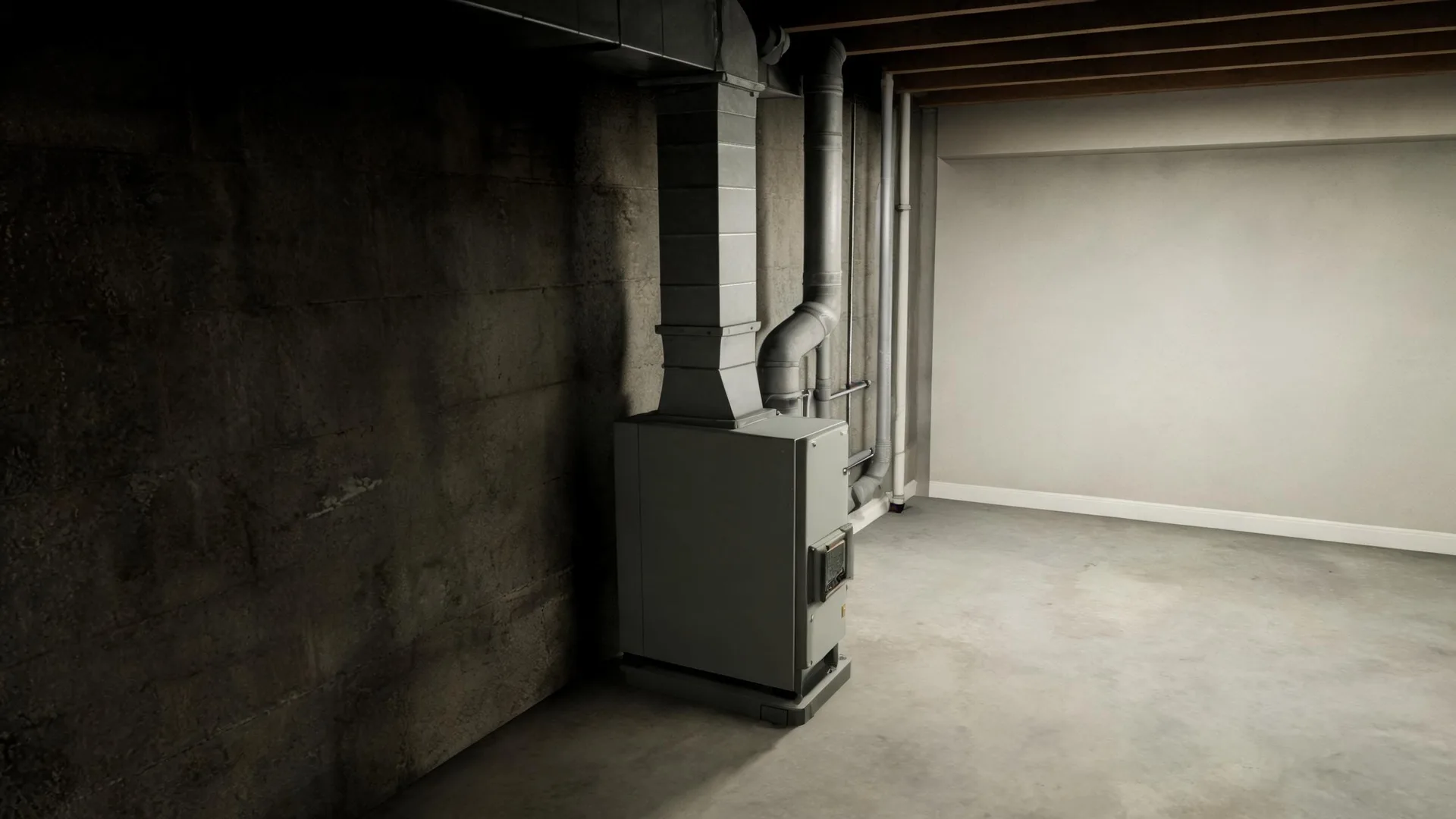
A contractor quoting a furnace installation in Lane County has to get the sizing right from the start, because the burner and heat exchanger are not sitting idle here. Homes in Lane County, KS run heat about seven months a year, from October through April. That length of continuous seasonal demand accumulates wear on the ignition system and heat exchanger in ways a short heating season never would, and an undersized unit cycles harder than it should across every one of those months. Matching the equipment to the actual load is what keeps that wear predictable.
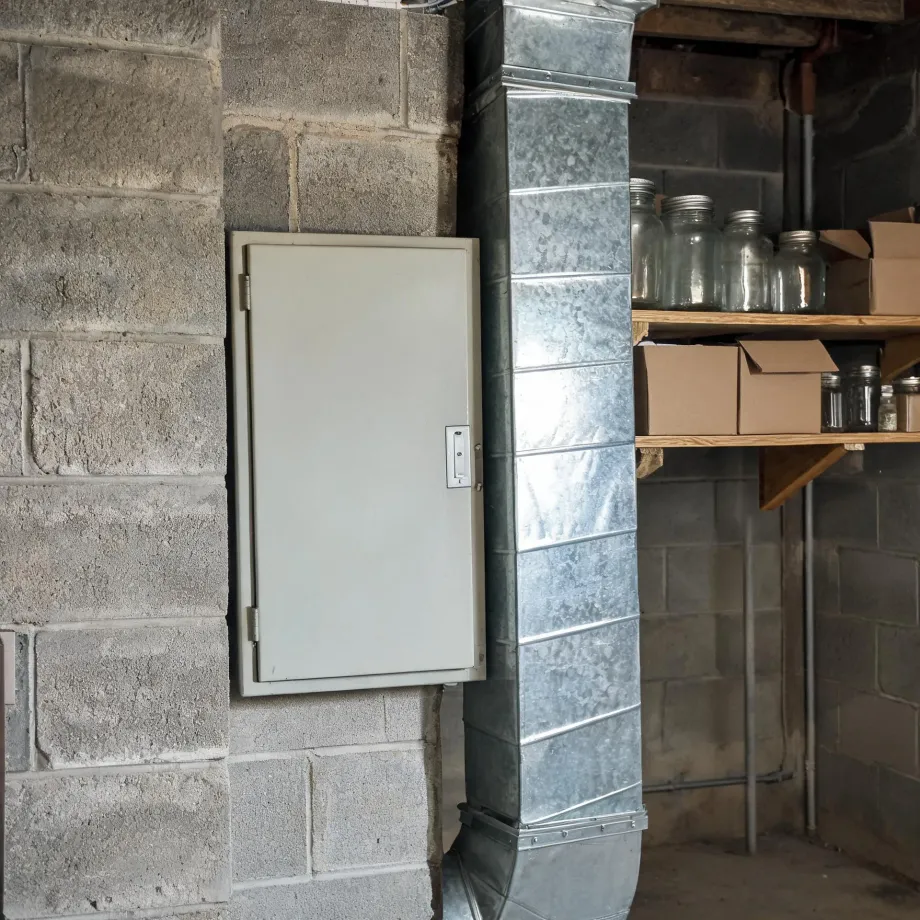
Ductwork sized and routed for mid-century heating equipment is what a contractor finds in a large share of Lane County homes. Half the homes in Lane County, Kansas were built in 1958 or earlier (2020-2024 ACS 5-year). That means the duct runs, trunk lines, and returns already in the house were designed around a furnace that is no longer there, and a new unit has to work through whatever that original layout allows. A contractor installing a furnace here assesses whether the existing system moves enough air at the right static pressure before any equipment gets specified, because a mismatch there shows up as uneven heat and shortened equipment life.
What Gets Installed With a New Furnace
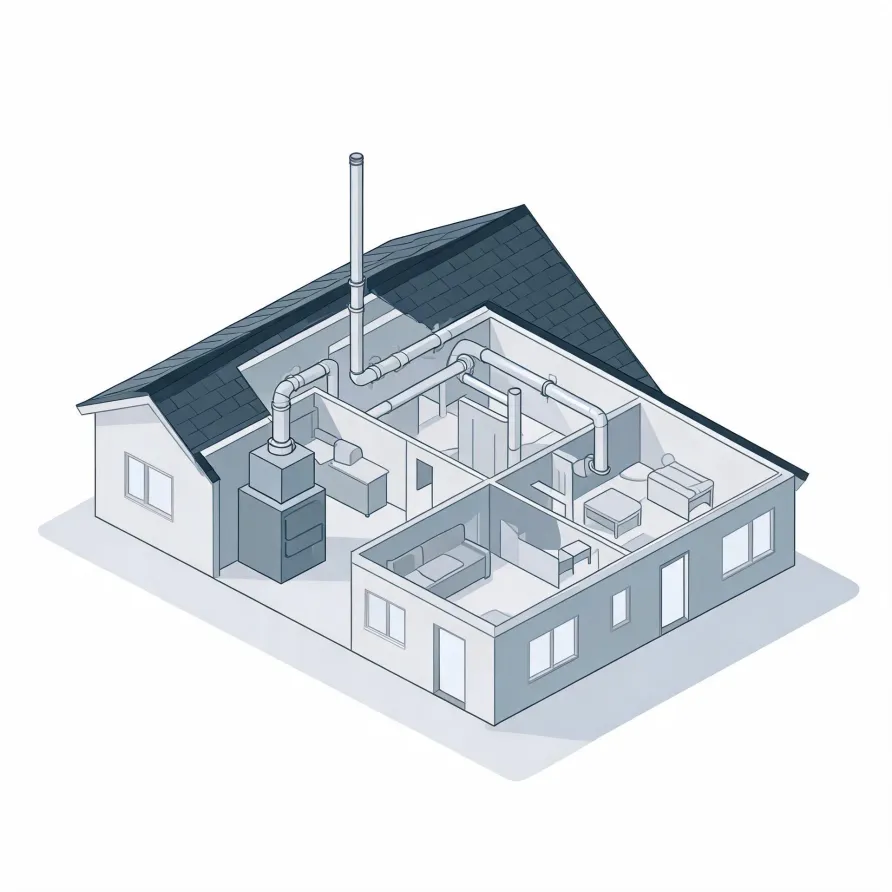
The furnace itself sits in a basement, utility room, or closet and is the unit a homeowner is most likely to recognize on sight. Inside it, a heat exchanger, a burner assembly, and a blower motor work together to produce and move heated air. Each of these components gets replaced along with the cabinet when a full furnace installation takes place.
The flue or exhaust vent runs from the furnace up and out of the house, carrying combustion gases away from the living space. Alongside it, the thermostat mounts on an interior wall and serves as the control point for the whole system. A new furnace installation often includes a new thermostat to match the equipment being put in.
The drawing shows a typical furnace layout, and a licensed contractor determines what the installation involves in this specific house.
Get matched in Lane CountyLane County, Kansas, by the numbers
100 severe weather events were recorded in Lane County, Kansas between 2015 and 2024.
NOAA National Centers for Environmental Information, Storm Events Database, bulk CSV export, events 2015-01-01 through 2024-12-31.Half the homes in Lane County, Kansas were built in 1958 or earlier (2020-2024 ACS 5-year).
U.S. Census Bureau, 2020-2024 American Community Survey 5-Year EstimatesLane County, Kansas holds 878 housing units (2020-2024 ACS 5-year).
U.S. Census Bureau, 2020-2024 American Community Survey 5-Year EstimatesOwners occupy 88.9% of the occupied homes in Lane County, Kansas (2020-2024 ACS 5-year).
U.S. Census Bureau, 2020-2024 American Community Survey 5-Year EstimatesFurnace Installation Rules on the Books for Lane County, Kansas4 codes & standards
What the Installation Actually Looks Like
Non-weatherized gas furnaces manufactured on or after November 19, 2015 must reach 80.0 percent AFUE.
Non-weatherized oil-fired furnaces manufactured on or after November 19, 2015 must reach 83.0 percent AFUE.
Mobile home gas furnaces manufactured on or after November 19, 2015 must reach 80.0 percent AFUE.
Non-weatherized gas furnaces manufactured on or after December 18, 2028 must reach 95.0 percent AFUE, up from the 80.0 percent minimum that applies to units manufactured before that date.
Severe Weather Events in Lane County
Kansas weather puts real demands on heating equipment, and those demands are not the same in every part of the state. What happens in Lane County over time shapes how hard a furnace has to work and what it has to withstand.
100 severe weather events, 2015–2024. Source: NOAA National Centers for Environmental Information, Storm Events Database.