Tell us about the job
Takes about a minute. No obligation.
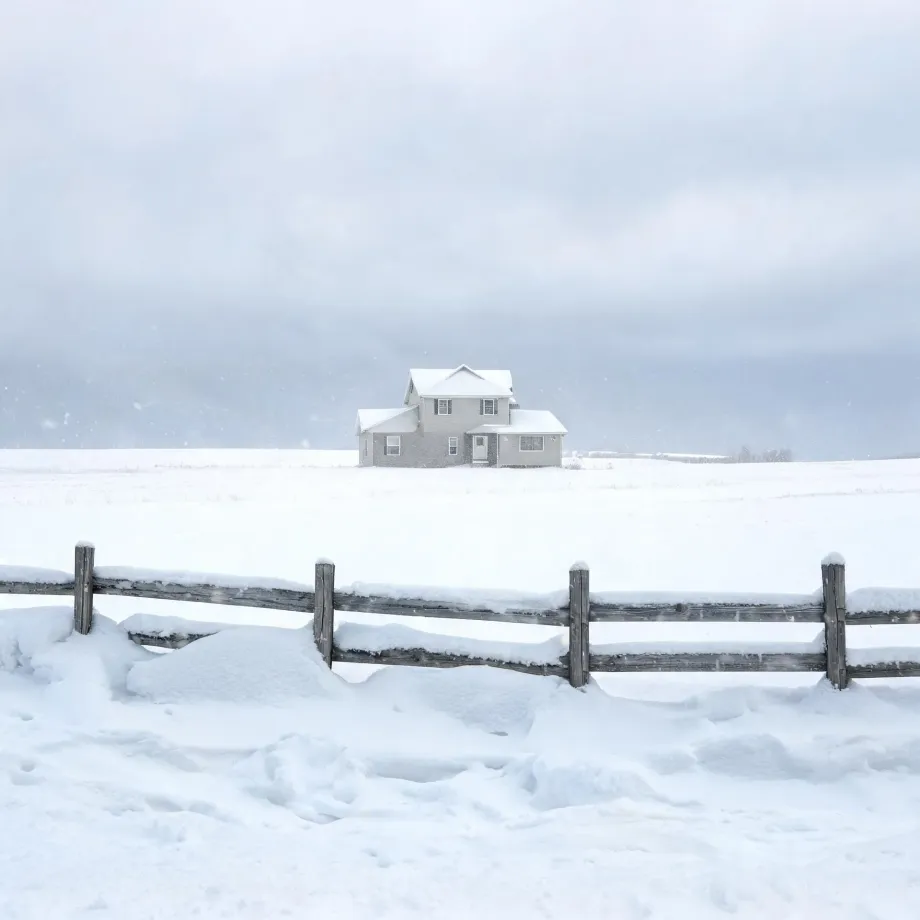
A furnace here earns its wear on the burner assembly and ignition system, not the cabinet or the blower housing. Homes in Marion County, KS run heat about seven months a year, from October through April. Cycling through that much of the calendar stresses the parts that fire and refire every time the thermostat calls, and those are the first places a contractor checks when a system comes in for repair. Heat exchanger cracks and igniter failures show up well before a system's rated life if the original install was undersized for the load this climate puts on it.
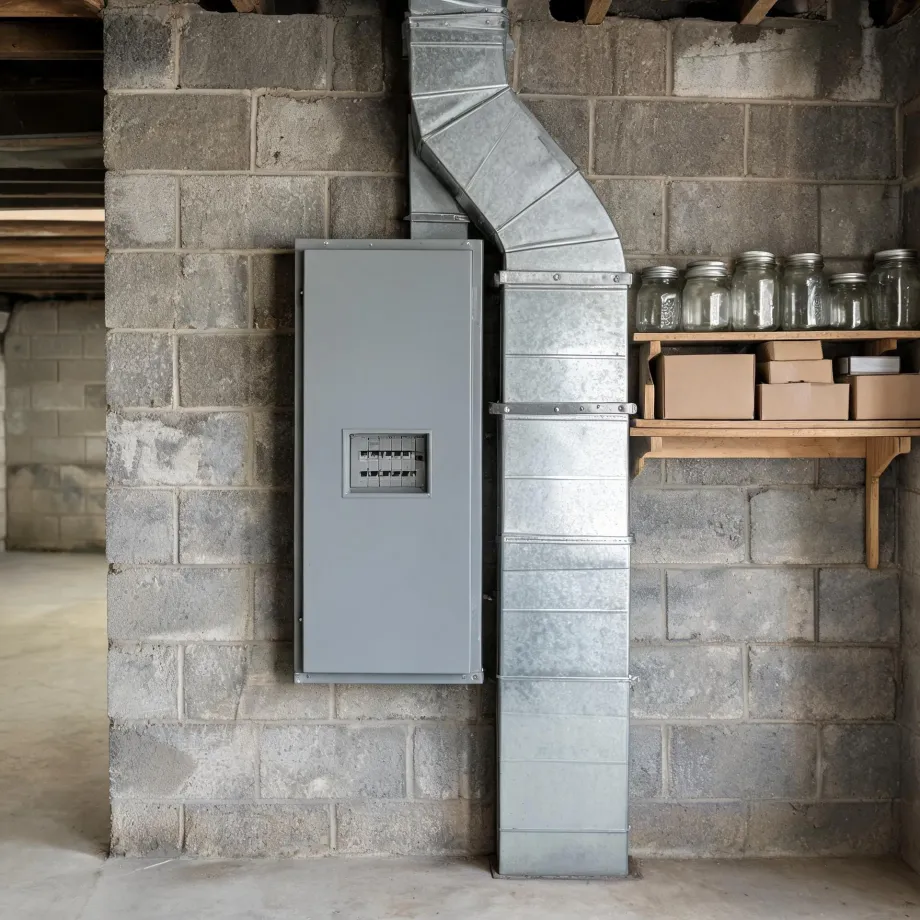
Ductwork that has been patched, re-routed, and re-patched across multiple heating systems carries its own record, and a furnace repair here often surfaces that record before it surfaces the part. Half the homes in Marion County, Kansas were built in 1957 or earlier (2020-2024 ACS 5-year). Stock that old has seen enough equipment cycles that what a contractor finds inside the cabinet frequently does not match what the last repair order described. A heat exchanger that looks intact at the plenum can be cracked further in; a limit switch that tests within range on a cold unit trips under load. The parts question matters too: components for older furnace models run thin, and a contractor opening a unit here prices availability before they price the repair.
The Parts of a Furnace a Contractor Checks First
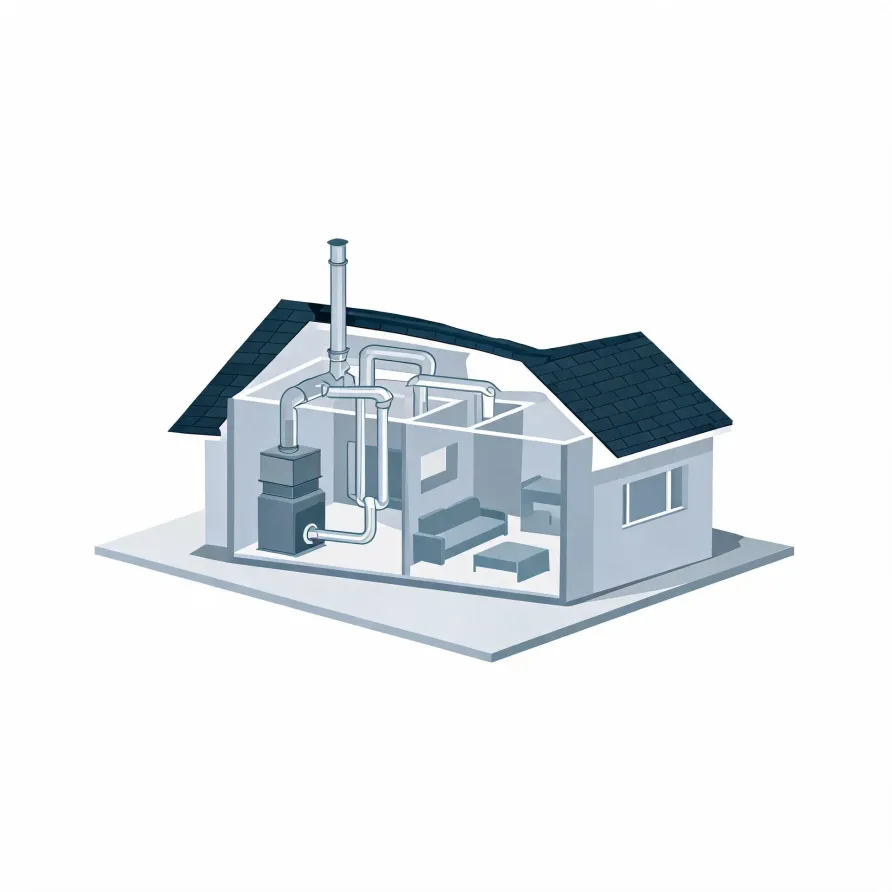
The heat exchanger sits inside the furnace cabinet and is where the contractor looks early. Cracks or fatigue there can let combustion gases move into the airstream. The burners, which sit just below it, are another common suspect when the furnace runs poorly or fails to ignite at all.
The blower motor and its fan wheel push conditioned air out through the supply side of the system. Near the burners, the igniter and flame sensor work together to start and confirm combustion. When either fails, the furnace may cycle briefly and shut back down. The flue pipe runs from the cabinet to the outside and carries exhaust away from the living space.
The drawing shows a typical furnace layout, and a licensed contractor determines which components apply to your specific system.
Get matched in Marion CountyMarion County, by the numbers
159 severe weather events were recorded in Marion County, Kansas between 2015 and 2024.
NOAA National Centers for Environmental Information, Storm Events Database, bulk CSV export, events 2015-01-01 through 2024-12-31.Half the homes in Marion County, Kansas were built in 1957 or earlier (2020-2024 ACS 5-year).
U.S. Census Bureau, 2020-2024 American Community Survey 5-Year EstimatesMarion County, Kansas holds 5,693 housing units (2020-2024 ACS 5-year).
U.S. Census Bureau, 2020-2024 American Community Survey 5-Year EstimatesOwners occupy 81.3% of the occupied homes in Marion County, Kansas (2020-2024 ACS 5-year).
U.S. Census Bureau, 2020-2024 American Community Survey 5-Year EstimatesCodes & Standards for Furnace Repair in Marion County, Kansas4 sourced rules & standards
What HVAC Repair Looks Like in Marion County
Non-weatherized gas furnaces manufactured on or after November 19, 2015 must reach 80.0 percent AFUE.
Non-weatherized oil-fired furnaces manufactured on or after November 19, 2015 must reach 83.0 percent AFUE.
Mobile home gas furnaces manufactured on or after November 19, 2015 must reach 80.0 percent AFUE.
Non-weatherized gas furnaces manufactured on or after December 18, 2028 must reach 95.0 percent AFUE, up from the 80.0 percent minimum that applies to units manufactured before that date.
Severe Weather Events in Marion County
Extreme weather puts real strain on furnaces and the systems tied to them. How hard equipment works, and how often it fails, is shaped by local conditions, which is why the weather record for this area is part of the picture for anyone weighing repair work here.
159 severe weather events, 2015–2024. Source: NOAA National Centers for Environmental Information, Storm Events Database.