Tell us about the job
Takes about a minute. No obligation.
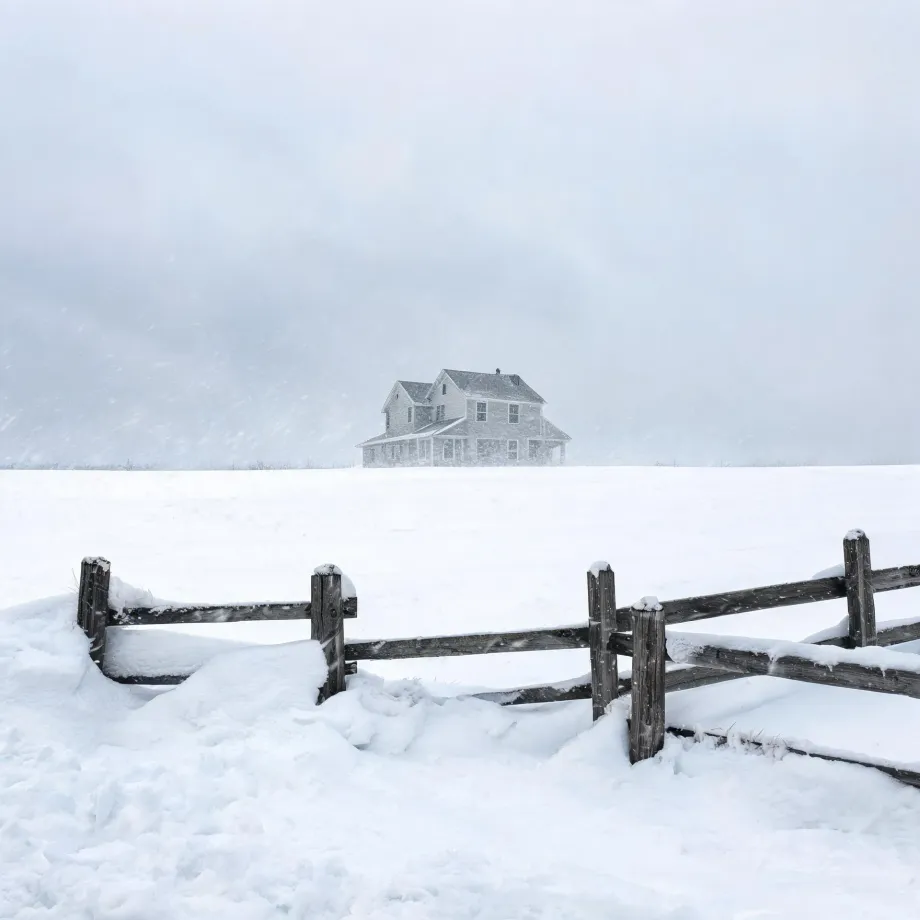
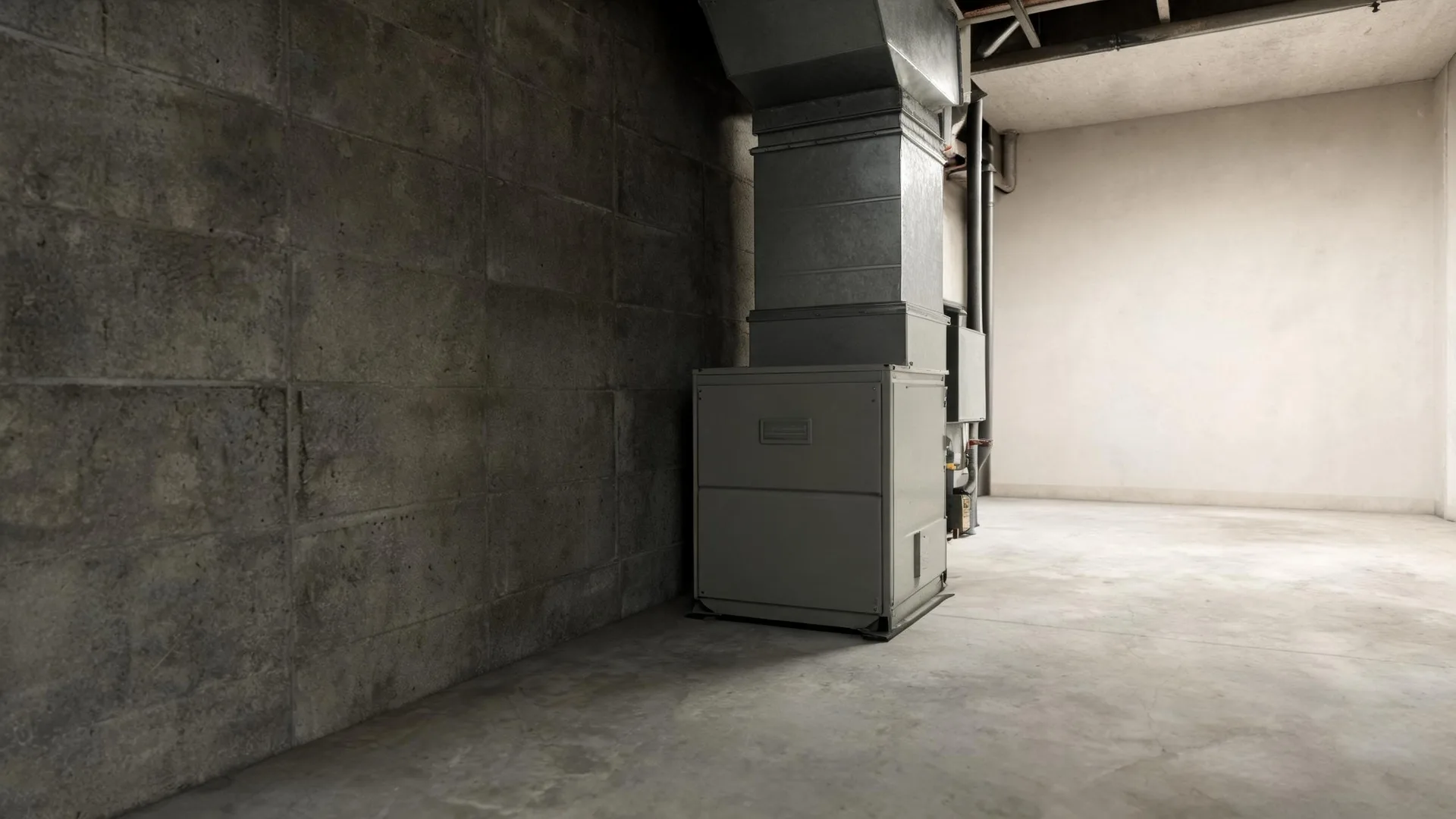
Sizing a furnace for this house is not a generic calculation. The burner, heat exchanger, and ignition system carry a real load here, cycling through a long stretch of cold months before they get any rest. Homes in Johnson County, KS run heat about seven months a year, from October through April. A contractor working a quote in Johnson County has to account for what that sustained cycling does to the components that fail first: the heat exchanger cracks from thermal fatigue, and an igniter that was borderline on installation day does not last. An undersized system compensates by running longer, and the parts pay for it.
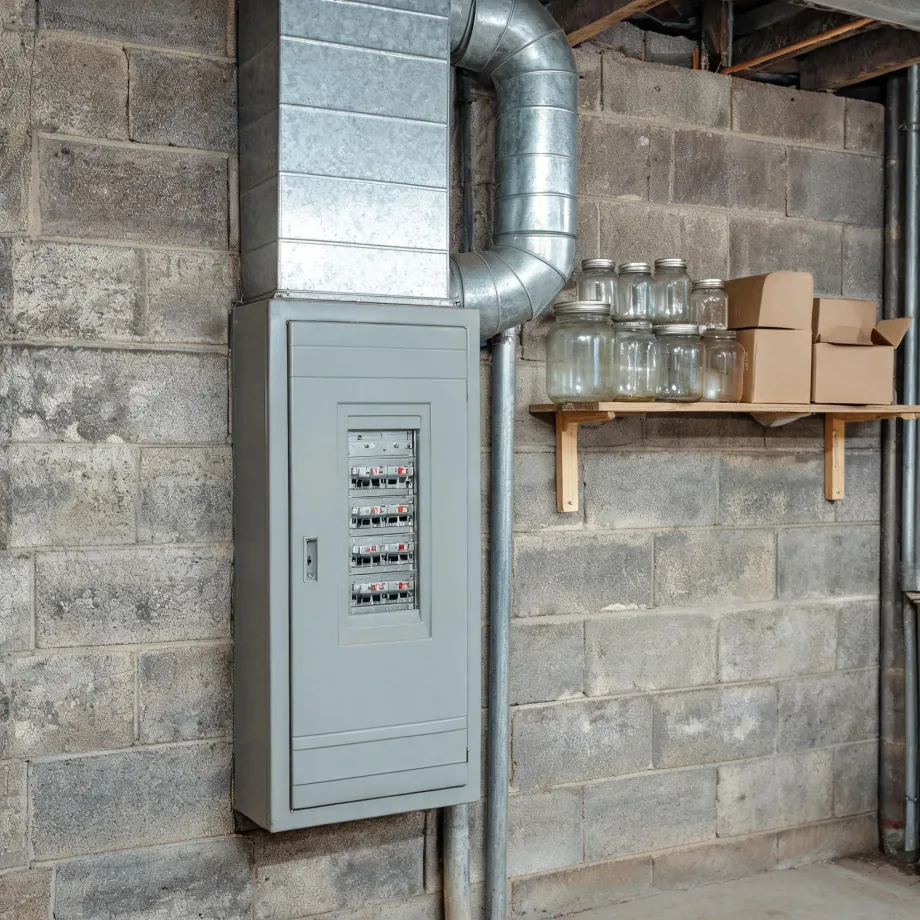
Ductwork laid out for one generation of furnace does not automatically carry the next. Half the homes in Johnson County, Kansas were built in 1989 or earlier (2020-2024 ACS 5-year). A contractor installing a new furnace in a house from that era has to establish whether the existing trunk lines and branch runs can move the air volume the new unit produces, and whether the electrical service will support the load. If either falls short, that work gets priced and scheduled before the furnace itself goes in.
What Gets Installed With a New Furnace
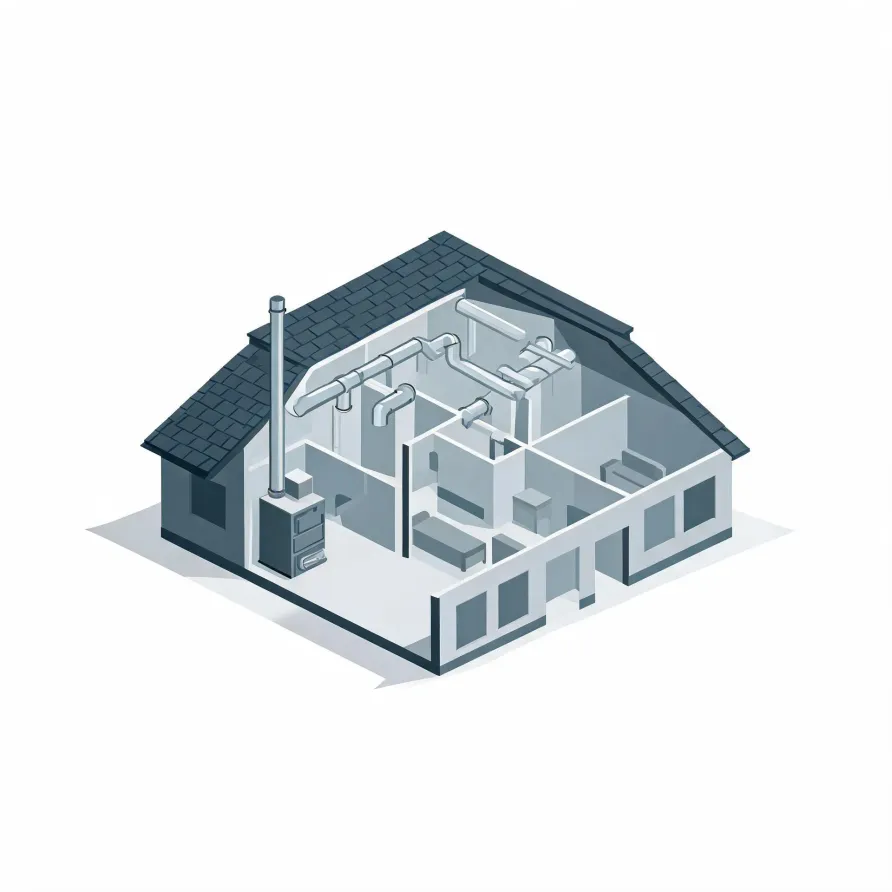
The furnace itself sits in a utility space, basement, or closet and is the unit a homeowner would walk up to and recognize. Inside it, the heat exchanger and burner assembly are the core hardware a contractor mounts and connects when the unit goes in. The blower motor sits within the same cabinet, moving conditioned air into the supply side of the house.
The flue pipe runs from the furnace cabinet up and out of the house, giving combustion gases a path to the exterior. The thermostat mounts on a wall in the living space and is the control point that tells the furnace when to fire. A new installation also brings a fresh air intake, which pulls outside air into the combustion process and terminates at an exterior wall.
The drawing shows a typical layout, and a licensed contractor determines exactly what applies to this house.
Get matched in Johnson CountyJohnson County, Kansas, by the numbers
367 severe weather events were recorded in Johnson County, Kansas between 2015 and 2024.
NOAA National Centers for Environmental Information, Storm Events Database, bulk CSV export, events 2015-01-01 through 2024-12-31.Half the homes in Johnson County, Kansas were built in 1989 or earlier (2020-2024 ACS 5-year).
U.S. Census Bureau, 2020-2024 American Community Survey 5-Year EstimatesJohnson County, Kansas holds 259,655 housing units (2020-2024 ACS 5-year).
U.S. Census Bureau, 2020-2024 American Community Survey 5-Year EstimatesOwners occupy 68.5% of the occupied homes in Johnson County, Kansas (2020-2024 ACS 5-year).
U.S. Census Bureau, 2020-2024 American Community Survey 5-Year EstimatesCodes & Standards Governing Furnace Installation in Johnson County, Kansas4 sourced rules and standards
What the Installation Actually Looks Like
Non-weatherized gas furnaces manufactured on or after November 19, 2015 must reach 80.0 percent AFUE.
Non-weatherized oil-fired furnaces manufactured on or after November 19, 2015 must reach 83.0 percent AFUE.
Mobile home gas furnaces manufactured on or after November 19, 2015 must reach 80.0 percent AFUE.
Non-weatherized gas furnaces manufactured on or after December 18, 2028 must reach 95.0 percent AFUE, up from the 80.0 percent minimum that applies to units manufactured before that date.
Severe Weather Events in Johnson County
Extreme weather puts real demands on heating equipment, shortening run cycles, forcing harder restarts, and accelerating wear. What the weather does in this area shapes what a furnace needs to handle, which is why local installation work starts with understanding local conditions.
367 severe weather events, 2015–2024. Source: NOAA National Centers for Environmental Information, Storm Events Database.