Tell us about the job
Takes about a minute. No obligation.
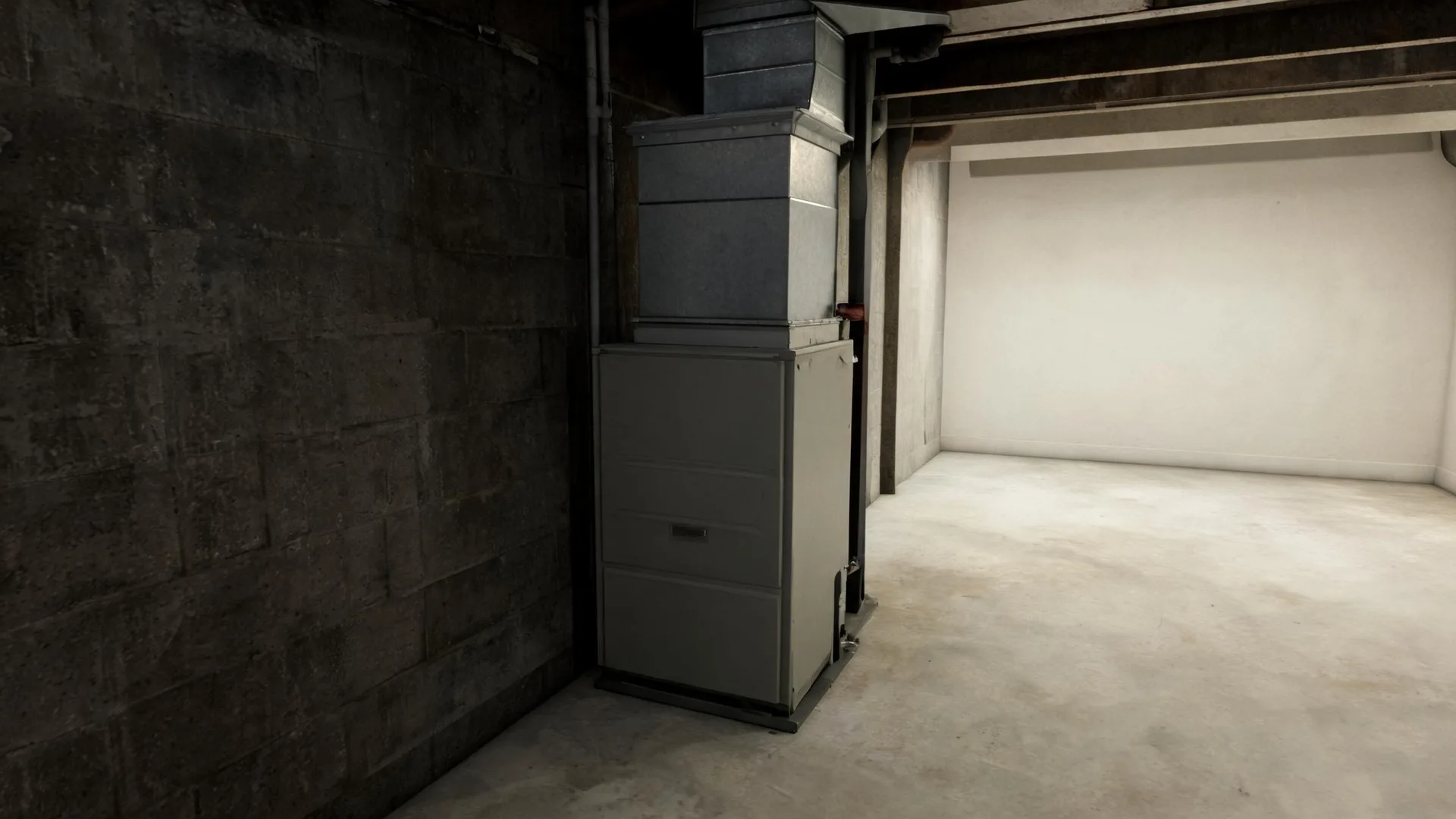
The burner and heat exchanger on a furnace here accumulate cycling that adds up fast. Homes in Barber County, KS run heat about seven months a year, from October through April. Each of those months puts the ignition system through repeated start and stop cycles, and the heat exchanger flexes with every one of them. A contractor diagnosing a furnace in this county checks those parts first, because that is where stress concentrates and where cracks or carbon buildup appear before anything else gives way.
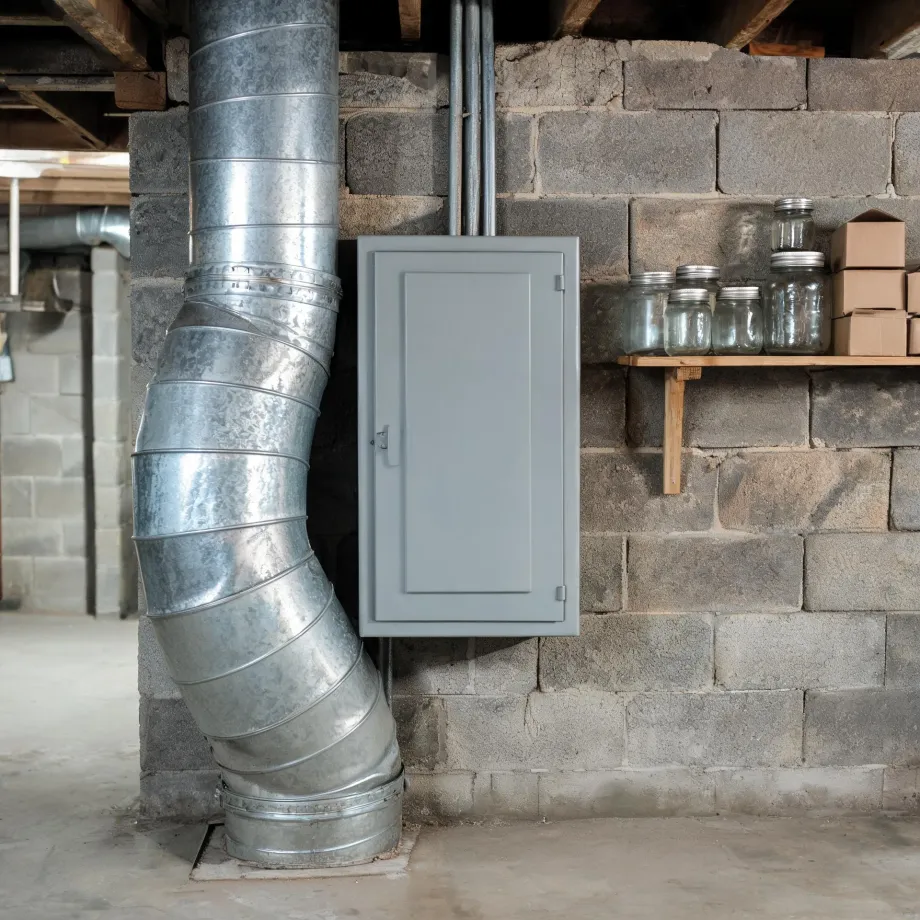
Furnaces in housing this old accumulate wear in the components that matter most: cracked heat exchangers, deteriorated burner assemblies, and control boards that have been substituted once or twice already. Half the homes in Barber County, Kansas were built in 1956 or earlier (2020-2024 ACS 5-year). That history means a contractor opening a furnace here finds a repair shaped by what the system actually contains, not by what the exterior suggests. Parts availability for equipment that has changed hands through multiple service cycles is a real variable, and a contractor has to confirm what is inside before pricing the job.
The Parts of a Furnace a Contractor Checks First
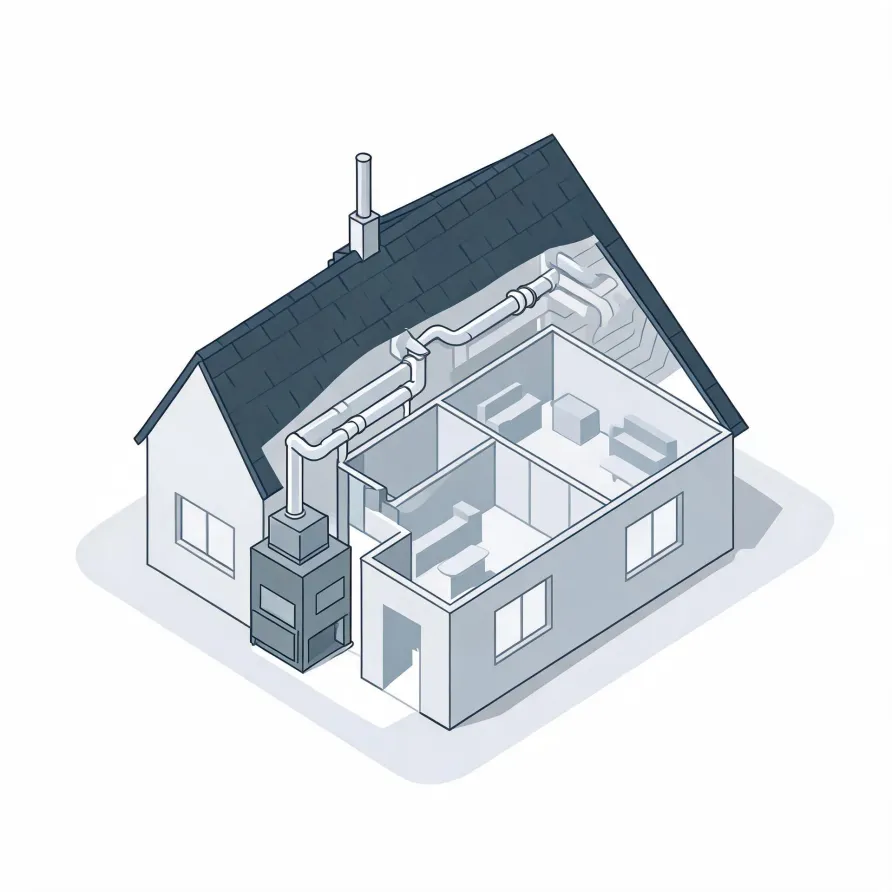
The heat exchanger sits at the core of the furnace cabinet in the basement or utility room. It is what a contractor looks at early, because cracks in it are the reason a furnace runs but fails to heat the house safely. The burner assembly feeds into it, and a fault there shows up as short cycling or an uneven flame.
The blower motor and its wheel sit below the heat exchanger and push conditioned air out through the supply side of the system. The control board, mounted inside the cabinet, is what a contractor reads for fault codes when the cause is not obvious from the mechanical components alone. The inducer motor, which pulls combustion gases toward the flue, is another piece contractors check when a furnace shuts down before completing a cycle.
The drawing shows a representative layout, and a licensed contractor determines which components apply to the specific equipment and installation in your home.
Get matched in Barber CountyBarber County, by the numbers
178 severe weather events were recorded in Barber County, Kansas between 2015 and 2024.
NOAA National Centers for Environmental Information, Storm Events Database, bulk CSV export, events 2015-01-01 through 2024-12-31.Half the homes in Barber County, Kansas were built in 1956 or earlier (2020-2024 ACS 5-year).
U.S. Census Bureau, 2020-2024 American Community Survey 5-Year EstimatesBarber County, Kansas holds 2,480 housing units (2020-2024 ACS 5-year).
U.S. Census Bureau, 2020-2024 American Community Survey 5-Year EstimatesOwners occupy 81.0% of the occupied homes in Barber County, Kansas (2020-2024 ACS 5-year).
U.S. Census Bureau, 2020-2024 American Community Survey 5-Year EstimatesCodes & Standards Covering Furnace Repair in Barber County, Kansas4 sourced rules & standards
What HVAC Repair Looks Like in Barber County
Non-weatherized gas furnaces manufactured on or after November 19, 2015 must reach 80.0 percent AFUE.
Non-weatherized oil-fired furnaces manufactured on or after November 19, 2015 must reach 83.0 percent AFUE.
Mobile home gas furnaces manufactured on or after November 19, 2015 must reach 80.0 percent AFUE.
Non-weatherized gas furnaces manufactured on or after December 18, 2028 must reach 95.0 percent AFUE, up from the 80.0 percent minimum that applies to units manufactured before that date.
Severe Weather Events in Barber County
Barber County weather puts real stress on heating equipment: hard swings in outdoor conditions force furnaces to run longer and work harder than they would in a mild climate. That workload is why local repair history and local conditions belong on the same page.
178 severe weather events, 2015–2024. Source: NOAA National Centers for Environmental Information, Storm Events Database.