Tell us about the job
Takes about a minute. No obligation.
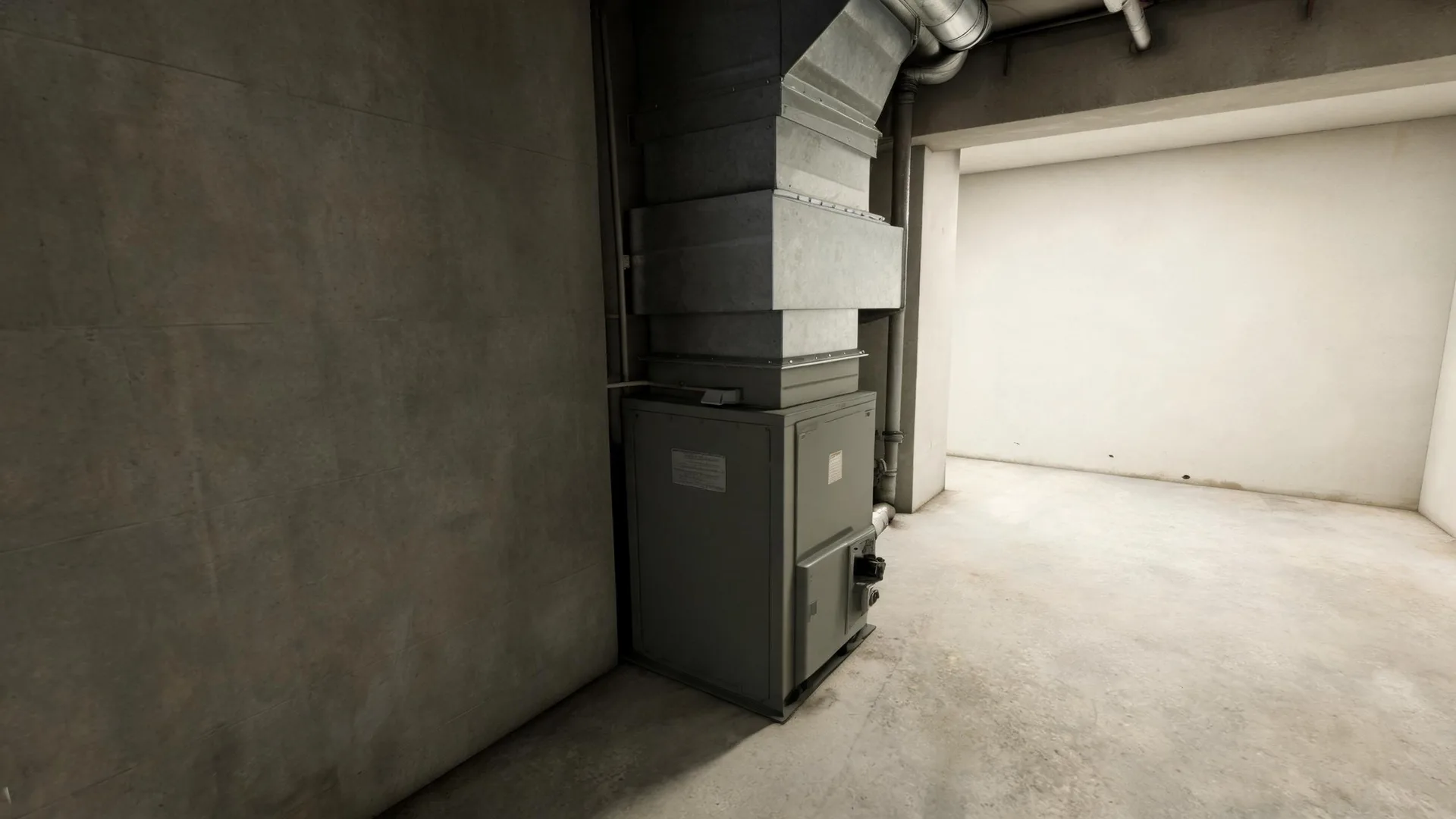
A furnace repair call in Clark County starts with the burner assembly and the heat exchanger, because those are the parts that carry the load every season. Homes in Clark County, KS run heat about seven months a year, from October through April. That much cycling wears on igniters, cracks heat exchangers, and erodes burner ports in ways that show up as loss of heat or a shutdown rather than an obvious failure. A contractor who skips past those components to chase a control board is working in the wrong order.
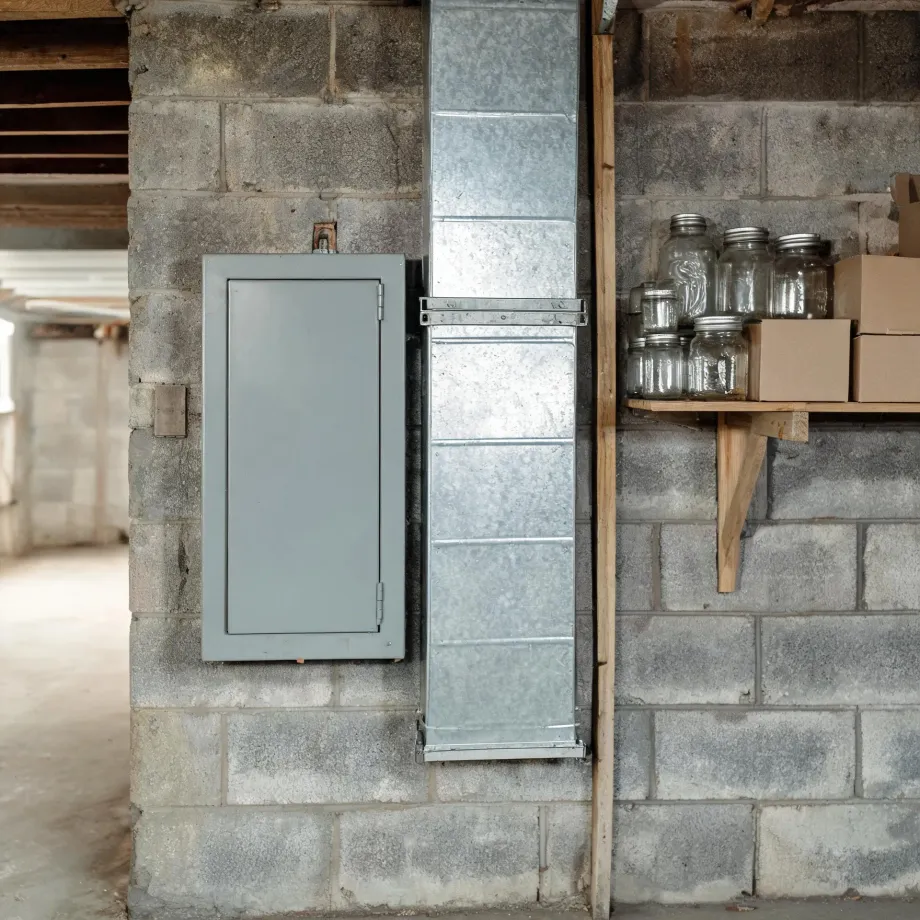
Half the homes in Clark County, Kansas were built in 1946 or earlier (2020-2024 ACS 5-year). A furnace running in a house of that vintage has often outlasted the original system it replaced, and the repair scope reflects that layering. When a contractor opens the unit, what matters is whether the parts it takes are still in production, and whether the heat exchanger and ducting it relies on were configured for something close to what is actually in there now. Those two questions, not the thermostat reading or the error code, are what set the price and the timeline.
The Parts of a Furnace a Contractor Checks First
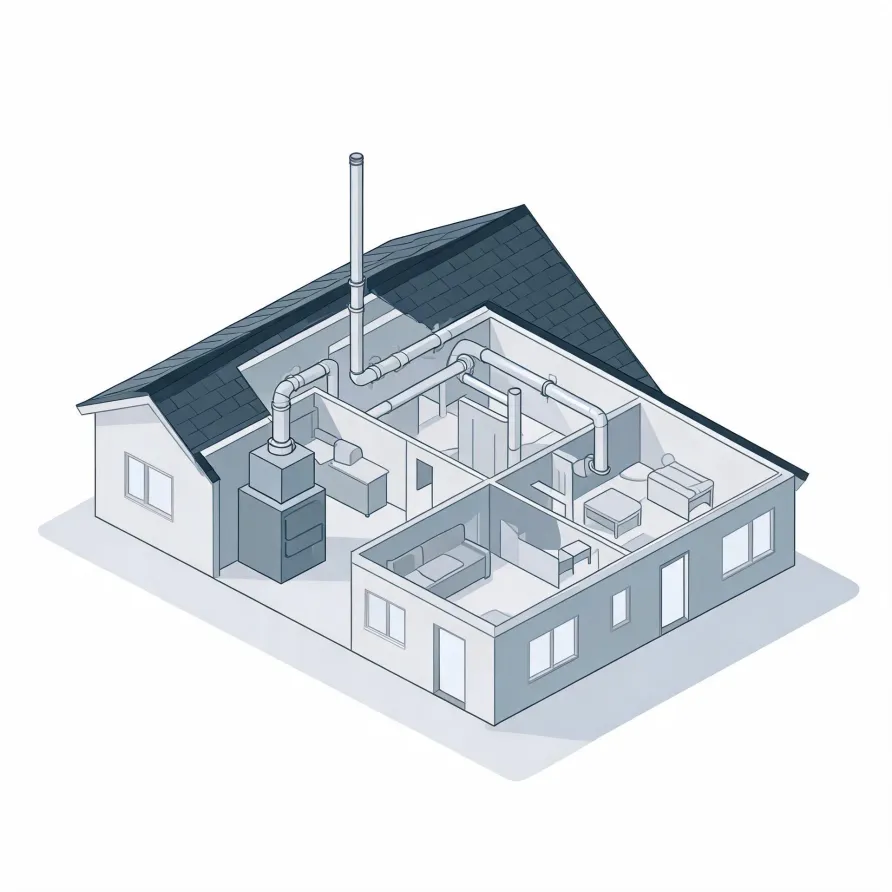
The heat exchanger sits at the core of the furnace cabinet in your basement, utility room, or closet, and it is where combustion gases are kept separate from the air your household breathes. Cracks or stress fractures here are among the first things a contractor looks for, because a failed heat exchanger affects both heating output and air safety. The burner assembly sits just below it, and a contractor checks it for ignition problems, uneven flame, or carbon buildup that prevents clean combustion.
The blower motor and its fan wheel sit in the lower section of the cabinet and push conditioned air out through the supply side of your duct system. A contractor checks the motor windings, the capacitor that starts it, and the fan wheel itself for damage or debris. The flue pipe runs from the top of the furnace to an exterior vent, and a contractor inspects it for blockages or separation that would prevent exhaust gases from leaving the building.
The drawing shows a representative layout, and a licensed contractor determines which components and conditions apply to the specific furnace and installation in your home.
Get matched in Clark CountyClark County, Kansas, by the numbers
110 severe weather events were recorded in Clark County, Kansas between 2015 and 2024.
NOAA National Centers for Environmental Information, Storm Events Database, bulk CSV export, events 2015-01-01 through 2024-12-31.Half the homes in Clark County, Kansas were built in 1946 or earlier (2020-2024 ACS 5-year).
U.S. Census Bureau, 2020-2024 American Community Survey 5-Year EstimatesClark County, Kansas holds 1,039 housing units (2020-2024 ACS 5-year).
U.S. Census Bureau, 2020-2024 American Community Survey 5-Year EstimatesOwners occupy 73.6% of the occupied homes in Clark County, Kansas (2020-2024 ACS 5-year).
U.S. Census Bureau, 2020-2024 American Community Survey 5-Year EstimatesCodes & Standards Covering Furnace Repair in Clark County, Kansas4 rules & standards
What HVAC Repair Looks Like in Clark County
Non-weatherized gas furnaces manufactured on or after November 19, 2015 must reach 80.0 percent AFUE.
Non-weatherized oil-fired furnaces manufactured on or after November 19, 2015 must reach 83.0 percent AFUE.
Mobile home gas furnaces manufactured on or after November 19, 2015 must reach 80.0 percent AFUE.
Non-weatherized gas furnaces manufactured on or after December 18, 2028 must reach 95.0 percent AFUE, up from the 80.0 percent minimum that applies to units manufactured before that date.
Severe Weather Events in Clark County
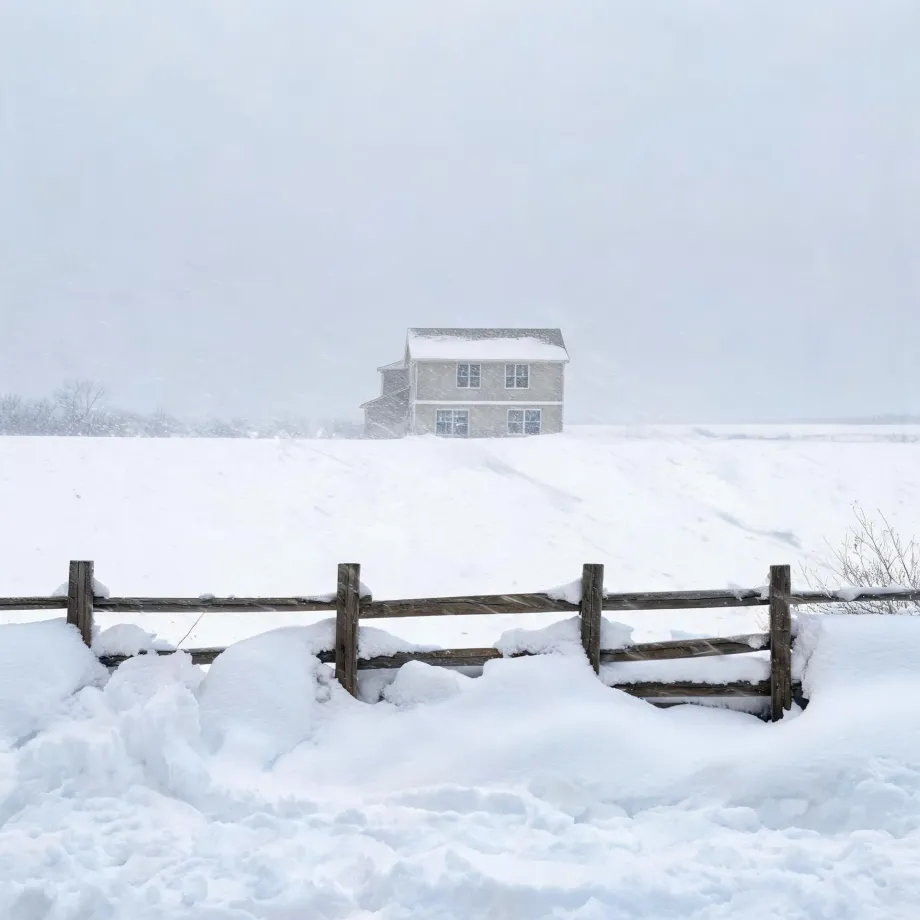
Kansas weather puts real strain on furnaces, cycling them hard through cold snaps and temperature swings that add up over time. How much strain depends on where you are, and Clark County has its own weather record.
110 severe weather events, 2015–2024. Source: NOAA National Centers for Environmental Information, Storm Events Database.