
Furnace pilot light won't stay lit in Overland Park, KS

Step 1 of 3: Equipment

A pilot light that won't stay lit is usually a weak thermocouple. That's the small copper rod sitting in the flame. Its job is to sense heat and signal the gas valve to stay open. Once it wears out or sits slightly out of position, it cools fast when you let go of the gas knob, and the valve shuts the flame back off. Dirt or soot on the rod can cause the same problem, and so can a draft near the burner compartment, pulling the flame away from the rod. Sometimes the fix is cleaning it. Sometimes the part needs replacing. It's a cheap part, but if it fails and gets ignored, the furnace won't fire when you need it most, and in a Johnson County winter that's not something to put off.

A beige high-efficiency furnace stands on a concrete basement floor beside sheet-metal ductwork, with white PVC vent pipes, flexible conduit and copper and steel piping running up a concrete wall to an electrical box.

Pilot Lit, Flame Steady

This is what a working pilot looks like: a strong, blue flame wrapped tight around the thermocouple, burning without flickering. The furnace fires when the thermostat calls and the burners stay lit through the whole cycle, no relighting needed.


An older gas furnace with a louvered front panel stands on a concrete basement floor beside large sheet-metal ductwork, a metal flue pipe, copper piping and wood framing.

Pilot Won't Hold

Here the pilot catches, then dies within seconds of letting go of the gas control knob. Dust has settled around the base of this older unit, and buildup like that around the pilot assembly can keep the flame from reaching the thermocouple the way it needs to.

Thermocouple or Gas Valve

Thermocouple Problem

  • The rod sits in the pilot flame but the flame doesn't fully wrap around it, so it never heats enough to signal the gas valve to stay open.
  • The pilot catches, holds for a few seconds or longer, then drops out on its own even with nobody touching the thermostat.
  • Soot or a chalky film builds up on the rod over time and blocks it from reading the heat correctly.
  • Bending the rod back into the flame or cleaning it off sometimes buys a little time, but a worn one still needs swapping out.
  • This part sees a flame every time the furnace runs, so it's the one that wears out first in an older gas furnace.
  • A thermocouple is a cheap part on its own, but a furnace with a bad one won't hold a pilot no matter how many times you relight it.

Gas Valve Problem

  • The valve is what actually feeds the pilot and the burners, and if it's failing, the pilot can die even with a good thermocouple in place.
  • A pilot that won't light at all, not even for a second, points more toward the valve than the rod.
  • This failure shows up less often than a worn thermocouple, but it isn't rare in an older furnace.
  • Replacing a gas valve means shutting off the gas line to the furnace first, since it's the part controlling that supply.
  • A valve that's sticking or failing can also cause an odd gas smell near the furnace, which the rod issue never does.
  • This is a bigger repair than swapping a thermocouple, since the valve is tied into the furnace's whole gas supply line.
A woman in a cream cowl-neck sweater stands in a lamp-lit room looking out a window at a snow-covered yard with shrubs and bare trees at dusk.
A woman in a gray turtleneck sweater stands near a large window in a lamp-lit living room, looking out at falling snow and snow-covered conifers.
A woman in a chunky knit sweater stands by a large window looking out at snow-covered ground, with a dimly lit living room containing a gray sofa, framed artwork, shelves and table lamps behind her.
A woman in a gray turtleneck sweater stands in a dimly lit living room with a lamp and bookshelves, looking out a multi-pane window at falling snow.

Why does your pilot light keep going out?

You light it, it holds, then a minute or two later it's out again. Maybe you've relit it three or four times tonight already. You might notice the flame looks thin or yellow instead of a steady blue, or it leans away from the rod instead of wrapping around it. Some nights it holds longer than others, which makes it tempting to just keep relighting it and hope. In Johnson County, where winters get cold and most furnaces run on gas, a pilot that won't hold means no heat when you need it most, and a furnace that keeps dropping out is one that isn't warming the house on the coldest nights.

  1. Gas flows to the pilot burner when the valve opens

  2. The pilot flame heats the thermocouple tip directly

  3. The thermocouple sends a small signal confirming heat is present

  4. The gas valve stays open only while that signal holds

A gray high-efficiency furnace with white PVC vent pipes stands in an unfinished basement beside sheet-metal ductwork, gas piping, and insulated stud walls on a concrete floor.
A furnace like this fires clean on the thermostat's call, and the pilot holds steady through the whole cycle with no relighting.
A beige sheet-metal furnace with a louvered upper panel stands on a concrete basement floor, connected to galvanized ductwork, white PVC vent pipes, and a metal gas line with an electrical box.
A furnace like this is losing the pilot signal somewhere between the thermocouple and the gas valve, and Overland Park's cold nights won't wait on it.

How the Thermocouple Actually Fails

  • Thermocouples are rated to shut the gas valve off within about 3 seconds of losing flame contact, as a safety check against a leak.
  • The rod carries two separate jobs at once: it senses heat and it carries a tiny voltage back to the valve, so a loose connection fails both.
  • Soot or a film on the thermocouple tip insulates it from the flame, so it reads cooler than the flame actually is.
  • Standing pilot systems hold a flame around the clock, so the thermocouple is working every hour of every day, not just when the furnace fires.
  • A thermocouple bent even slightly out of the flame's center will heat unevenly and drop out under load.
  • Replacing the thermocouple itself is a cheap, direct fix; chasing a bad gas valve or control board first wastes time on the wrong part.

The thermocouple is a small part doing two jobs at once, and that's where most of these failures start. It has to sense the pilot's heat and send a millivolt signal back to the gas valve telling it to stay open. Break either job and the valve shuts the gas off, usually within about 3 seconds of losing flame contact. That's not a flaw. It's the safety check doing exactly what it's built to do when a leak might otherwise go unnoticed.

Because a standing pilot burns around the clock, the thermocouple is never off duty. Every hour it sits in that flame, even on a mild October afternoon when the furnace itself hasn't fired in days. Over time that constant heat builds a film of soot on the tip. That film acts like insulation. The rod reads the flame as cooler than it is, and the valve gets a weak signal it won't trust.

Position matters just as much as buildup. If the rod has shifted even slightly out of the center of the flame, it heats unevenly, and the signal drops out once the furnace puts real load on the system. None of this means the gas valve or the control board is bad. In most cases the thermocouple itself is a cheap, direct part to swap, and replacing it first saves time spent chasing parts that were never the problem.

An older gas furnace with louvered panels sits on a concrete pad in a basement, connected to sheet-metal ductwork and PVC and metal pipes, with a water heater and wooden stair framing in the background.
Before you get your furnace repair
A gray high-efficiency furnace with white PVC vent pipes stands beside galvanized sheet-metal ductwork in a basement with a concrete floor, with a wooden staircase and railing at left.
After you get your furnace repair

A furnace pro near you

A pilot that won't hold means the furnace isn't heating, and in Johnson County that's not something to sit on once the cold sets in. You can try relighting it a few more times, cleaning the port, checking the thermocouple's seating, but a lot of that calls for taking the burner assembly apart correctly and putting it back so the gas valve seals right. Get that wrong and you're either back to a dead pilot tomorrow or worse, a gas connection that isn't sound. A licensed contractor who works on furnaces around Overland Park sees this exact failure often enough to know which of the few causes it is by looking at the flame and the rod, not by guessing through a list of parts. Handing this off now means you stop being the one who has to climb back to the furnace closet every few hours tonight to relight it.

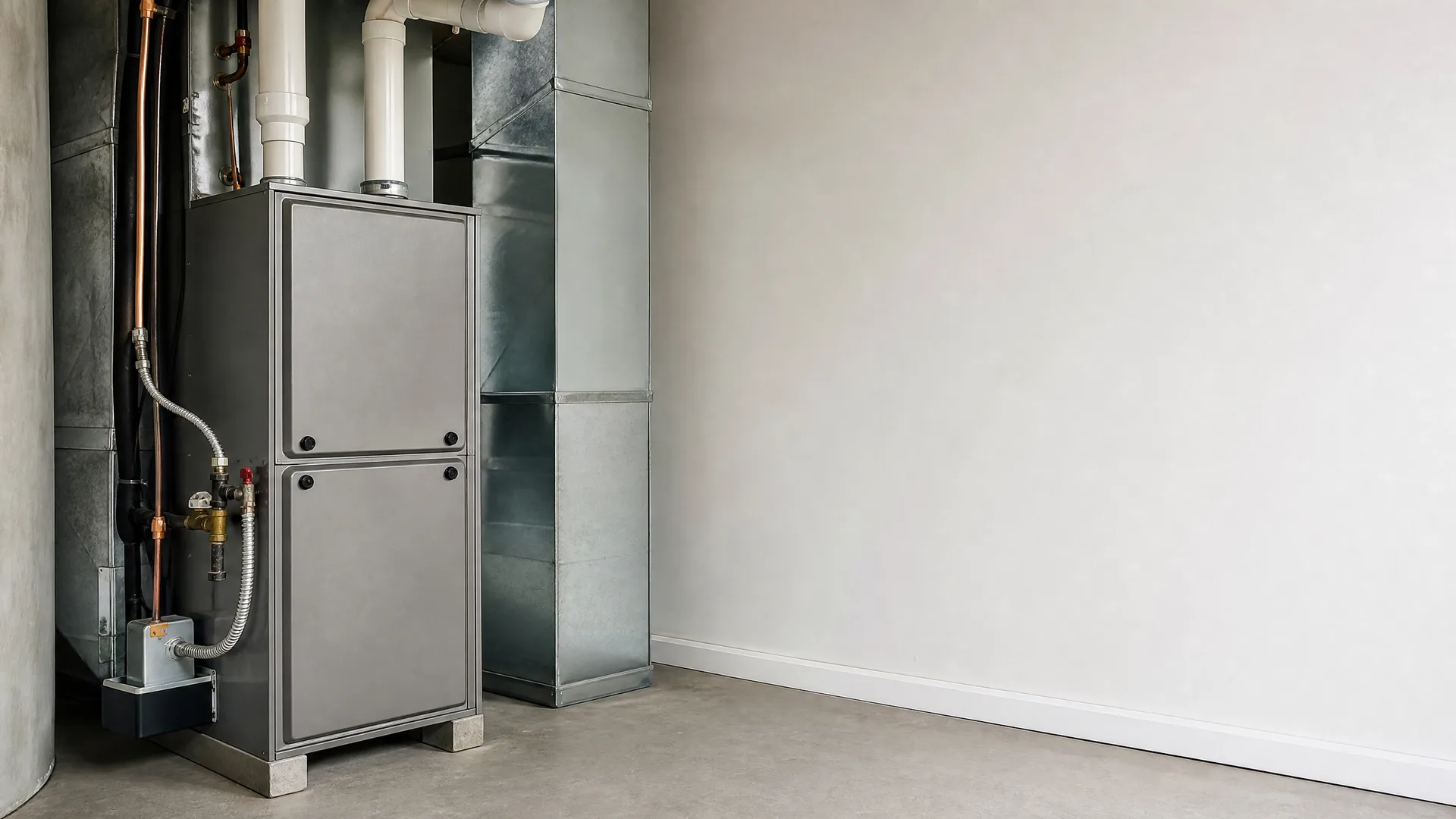
A gray high-efficiency furnace with white PVC vent pipes, copper and flexible piping, and galvanized sheet-metal ductwork stands against a wall in a room with a bare concrete floor and plain light-colored wall.

Why a loose connection matters

The thermocouple screws into the gas valve, and that connection has to stay snug. Heating and cooling cycles work the fitting loose over months, even years. A connection that's only a quarter turn loose can drop the signal enough that the valve reads it as no flame, even while the pilot is burning right in front of it. Tightening that fitting is often the whole fix, not a new part.

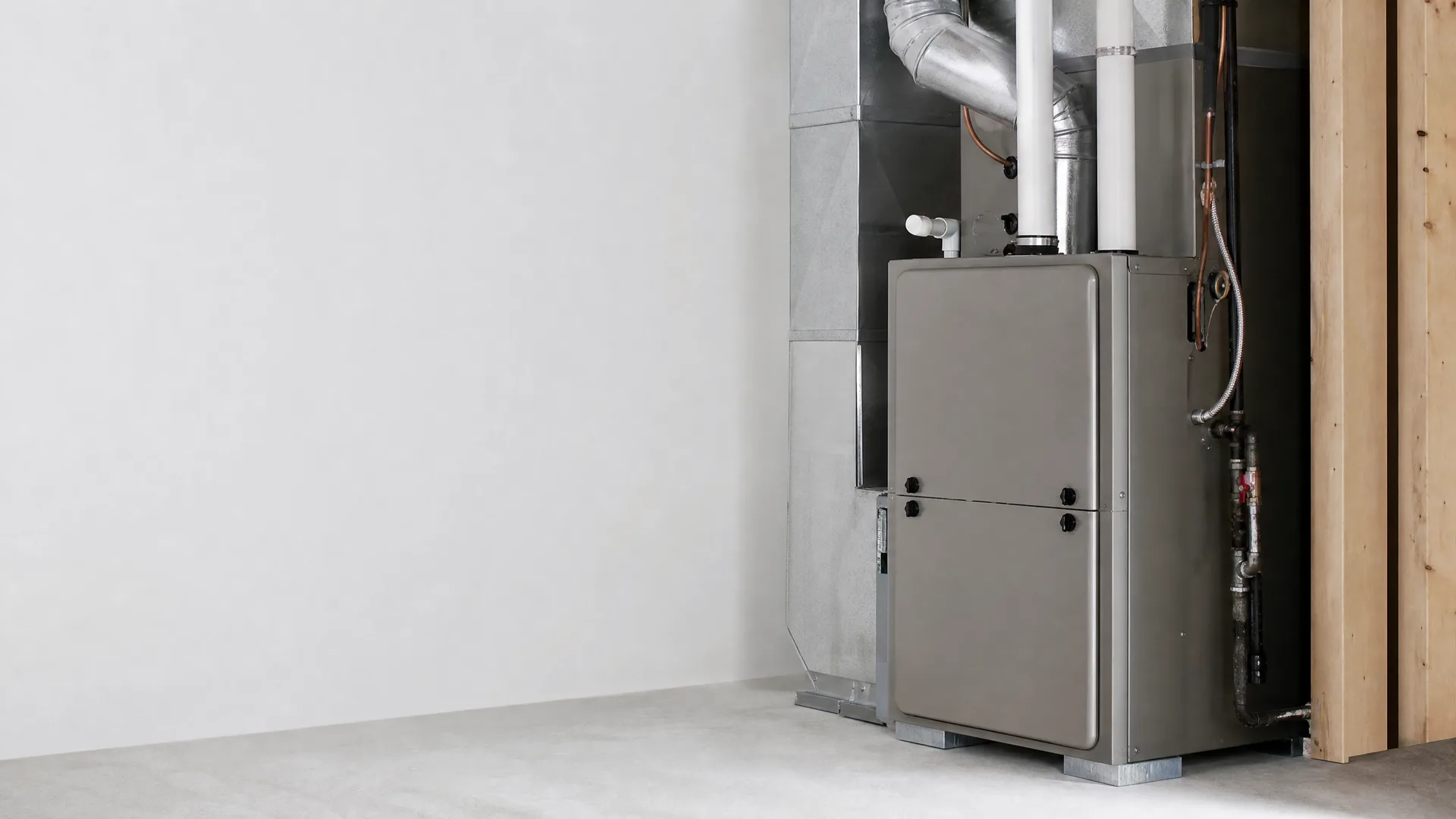
A gray residential furnace with attached sheet-metal ductwork, white PVC vent pipes and copper lines stands against a plain white wall on a concrete floor, beside exposed wooden framing.

What the flame color tells you

A healthy pilot burns blue with maybe a small yellow tip, and it wraps fully around the thermocouple rod. If the flame burns mostly yellow or orange, or if it dances away from the rod instead of hugging it, the rod isn't getting enough direct heat to send a steady signal. That gap between flame and rod is often a dirty pilot orifice or a draft pulling the flame sideways, not the thermocouple itself.

Winter nights average 23°F

Nights average 23°F here from December through February. At that temperature your furnace is running long stretches to keep up, which means more hours with gas flowing to the pilot and more cycles for a weak thermocouple to fail on. A pilot that won't hold matters more on a night like that than it would in October.

NOAA nClimDiv 1991-2020

Fixing it yourself tonight: you clean the pilot orifice, reseat the thermocouple, and hold the gas button longer before release, hoping that solves it.

Most of the time the flame still drops out, because a worn thermocouple doesn't get stronger from cleaning. It needs to be replaced.

A bearded man in a plaid flannel shirt sits indoors looking out a window at snow-covered trees, with a steaming mug on the sill and wooden kitchen shelves behind him.
A bearded man in a navy T-shirt sits on a light-colored couch indoors, smiling while looking down at a laptop screen in the foreground, with a framed picture and a potted plant blurred behind him.
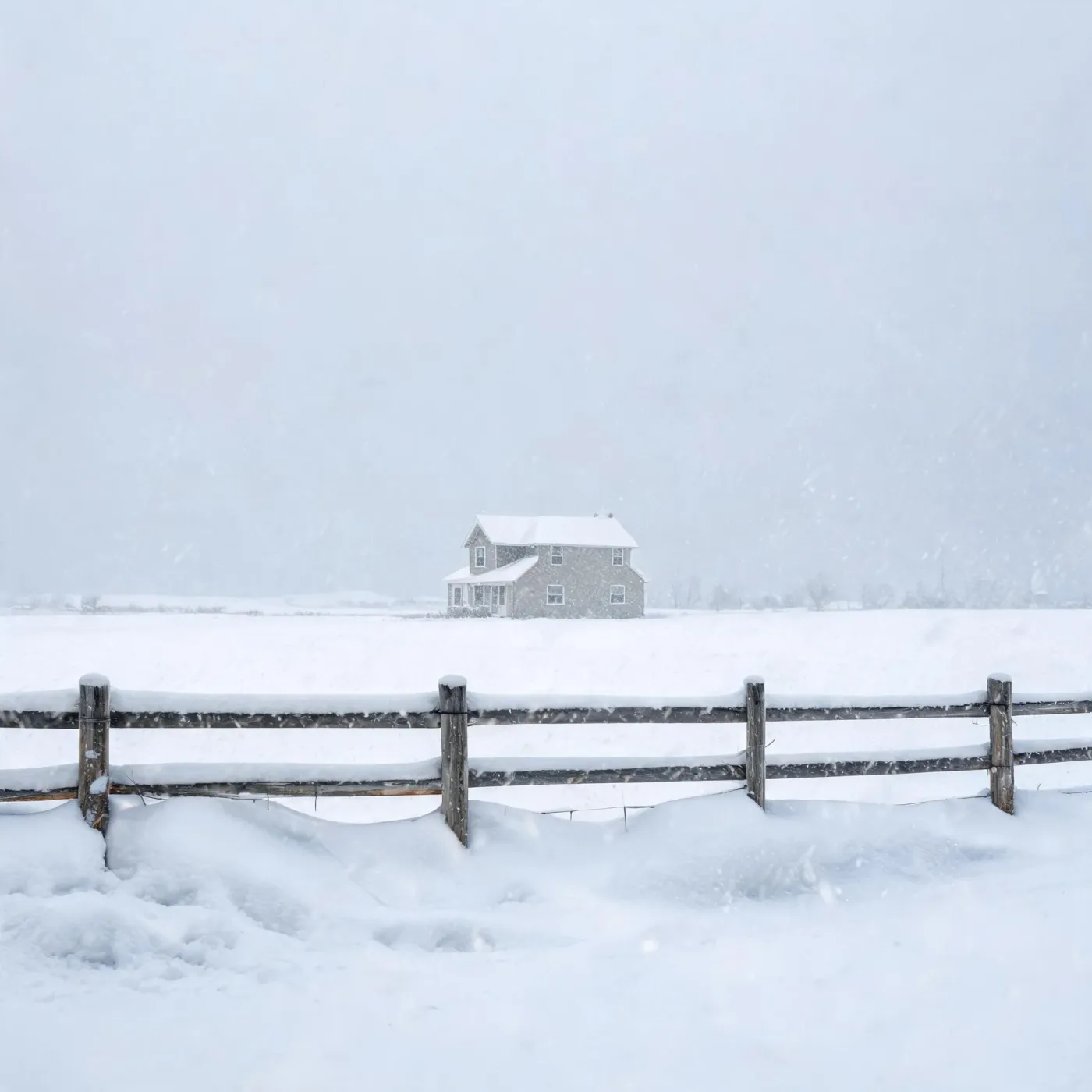
A two-story gray house with a snow-covered roof stands alone in a flat snow-covered field during falling snow, with a weathered wooden post-and-rail fence in the foreground.

Johnson County winter nights average 23°F from December through February, NOAA records show. At that temperature your furnace isn't cycling on and off for a few minutes at a time, it's running long stretches just to hold the house steady. Every one of those stretches depends on the pilot staying lit the whole way through. A thermocouple that's already weak has far more chances to drop out on a 23-degree night than it would in October, and once it fails, there's no backup keeping the burners going. You'll notice it fastest in the early morning, when the house has had all night to cool and the furnace has had all night to fail on you.

NOAA nClimDiv 1991-2020

A woman stands in the open front doorway of a single-story house with stone and wood siding while a man in a dark polo shirt and cap walks toward it along a concrete path.

A pilot that won't hold is a thermocouple, and it's a quick fix

A pilot light that keeps going out almost always comes down to the thermocouple. It's worn, it's out of position, or the connection at the gas valve has worked loose. None of that gets better with another relight. It gets fixed when someone replaces or reseats the part.

Nights in Johnson County are sitting in the low 20s right now, and a furnace that won't hold its pilot isn't heating while you wait on it. Send the form and a contractor who handles this in Overland Park will reach out directly. You won't be the one tracking down who's available or who answers the phone. That part is off your plate the moment you send it.

A speckled beige ceramic vase holding thin dried branches sits on a round wooden table near a window with sheer curtains, with a dark upholstered chair and draped blanket blurred in the background.
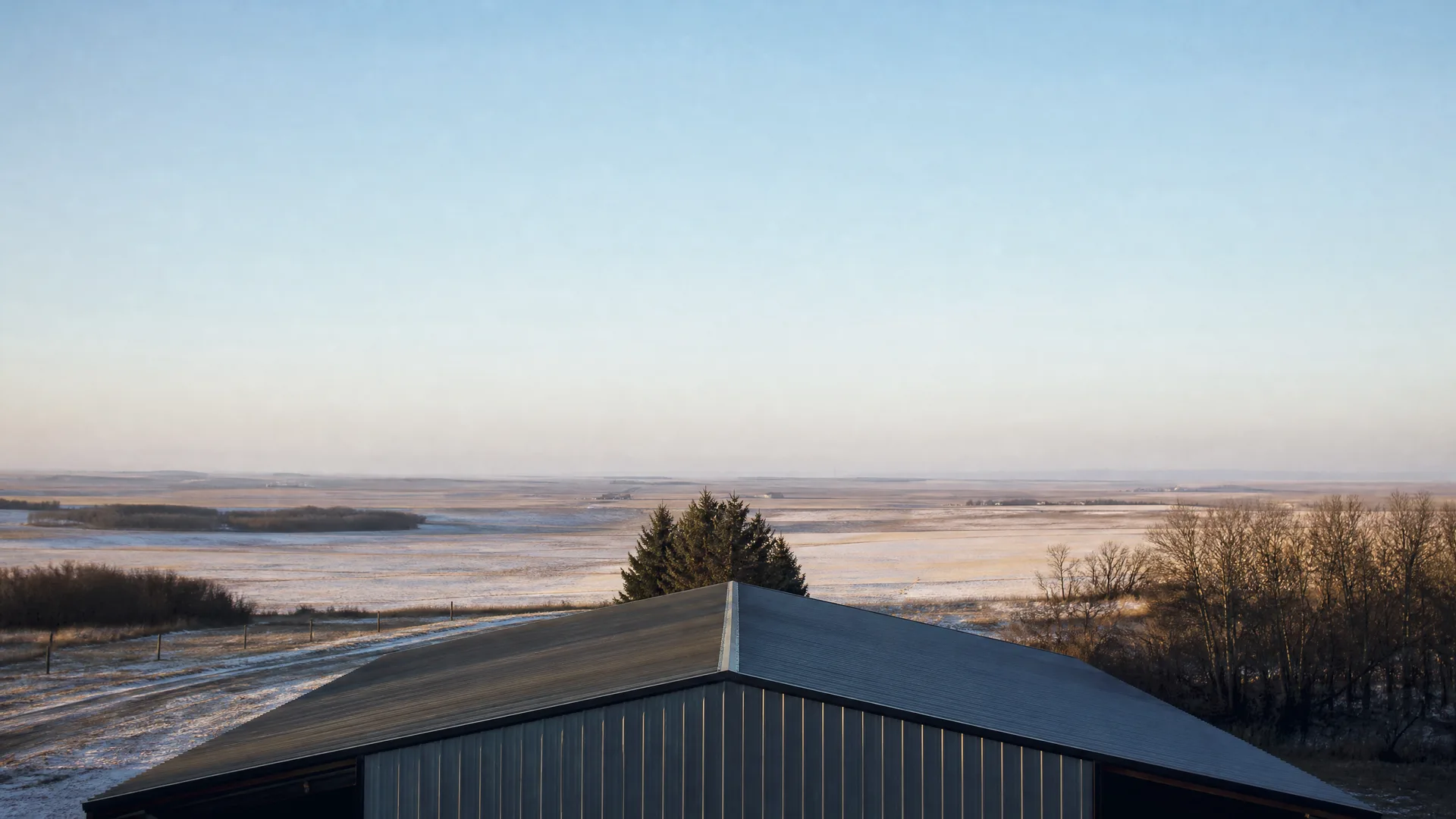
A dark metal gable-roofed building in the foreground overlooks a flat, snow-dusted landscape with bare trees and a few evergreens under a clear pale sky.

Get matched with a furnace pro in Johnson County

Connect with a pro

You only hire the pro if you want to.

A furnace that won't hold a pilot isn't heating your house, and on a 23°F night that gap shows up fast. Send the request and a contractor takes it from there, so you're not the one stuck relighting it every hour until morning.