

Furnace leaking water in Overland Park, KS
Get matched with a pro who works on furnaces in Johnson County.
Match me with a proWater pooling around your furnace almost always comes from the condensate line, the tube that carries off the moisture a high-efficiency furnace produces as it burns gas. If that line is clogged or cracked, the water backs up and drips out at the furnace instead of draining away outside. It can also be a sign the heat exchanger has cracked, letting condensation collect somewhere it shouldn't. In the cold months here, when your furnace runs for hours at a stretch, even a small clog turns into a real puddle fast. Either way, this isn't something to leave alone. Water near a gas furnace risks the electrical components and, if the heat exchanger is the cause, there's a safety concern too. Shut the furnace off if you see standing water, and have it looked at before you run it again.
Why does a leaking furnace matter so much here?
Winter nights average 23°F
Nights average 23°F in December, January and February, so a furnace that shuts itself down over a clogged line leaves a house cold fast.
Heat runs October through April
Heat runs from October through April here, about seven months, which means the condensate line is working and can clog for most of the year.
69.4% of homes heat with gas
69.4% of homes in Johnson County heat with gas, and gas furnaces are the ones that produce this condensate line in the first place.
NOAA nClimDiv 1991-2020 · ACS 2020-2024
A clogged condensate line
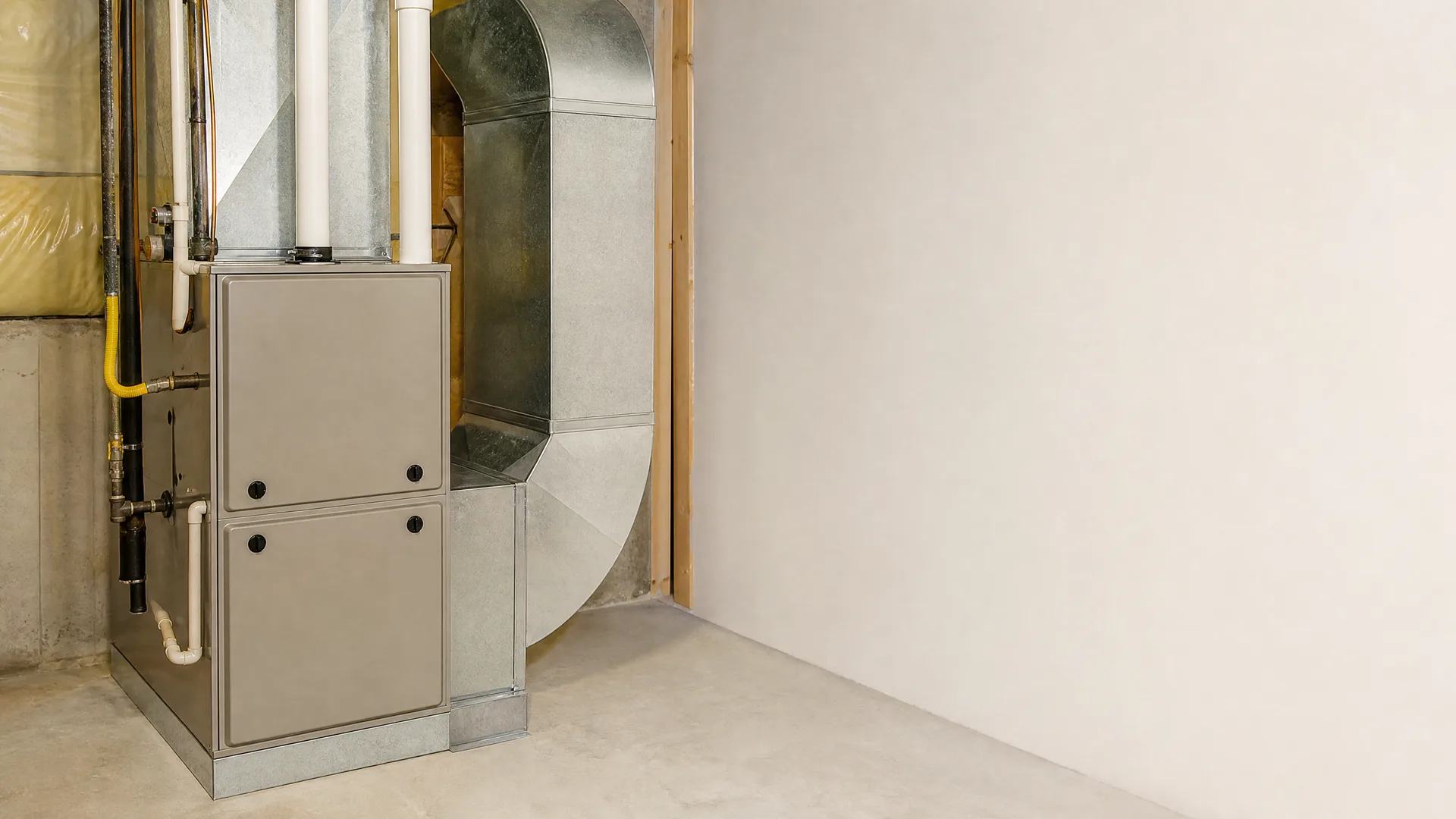
This is the leak behind most furnaces in Overland Park. The line slopes to carry water out to a drain, and over a winter it collects dust, sludge and the odd bit of debris until it blocks. Once that happens the water has nowhere to go but back into the furnace, where it pools at the base or drips from the cabinet. Some furnaces shut off on their own when this happens. Others keep running and keep leaking.
A cracked line or trap
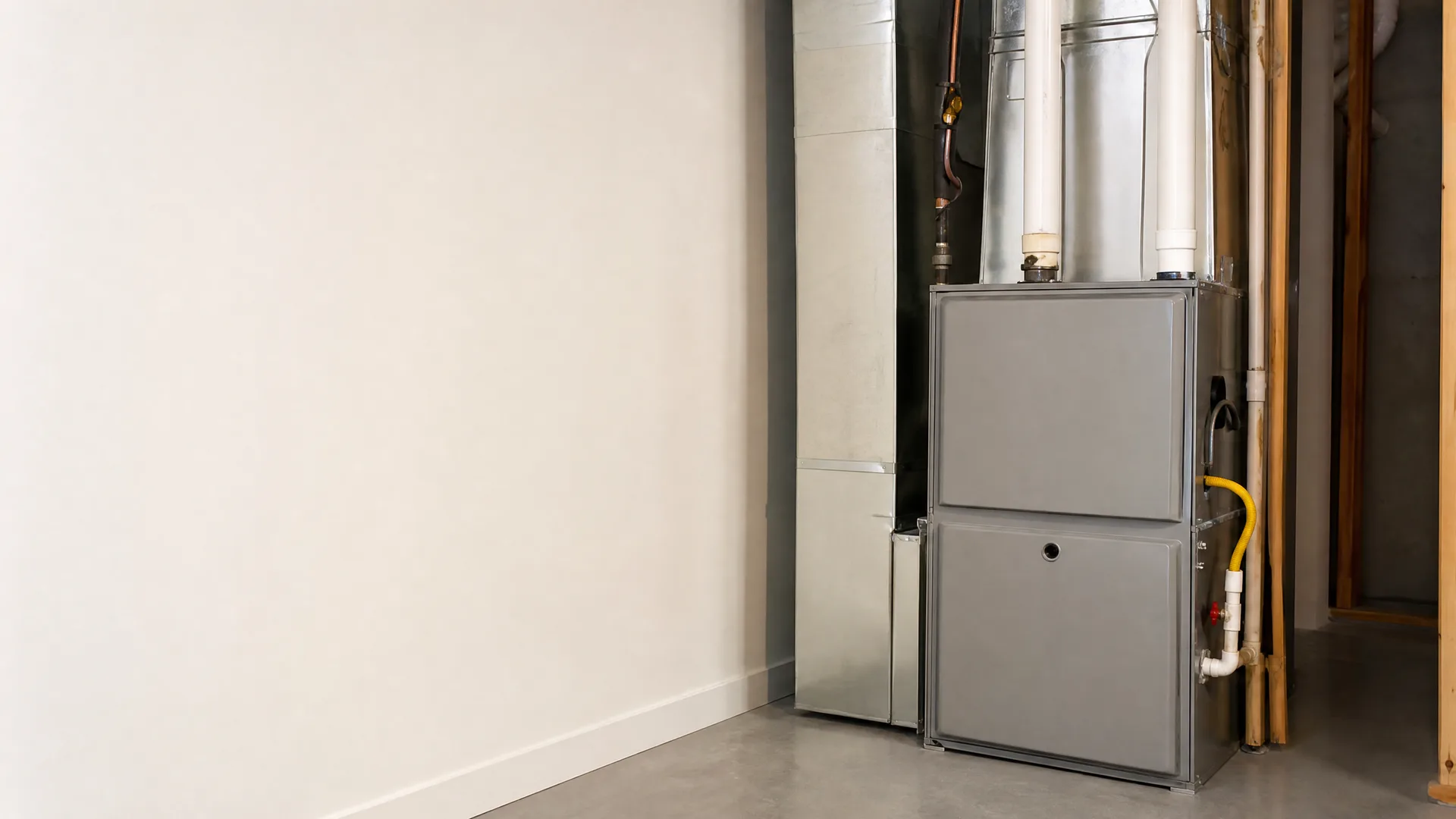
The same tube that clogs can also split, usually where it bends or joins the furnace. PVC gets brittle with age, and a trap built from a few fittings can work loose or crack at a seam. Water escapes right at the break instead of backing up inside the furnace, so the puddle shows up further from the unit than you would expect. A cracked line still needs replacing even though the furnace itself runs fine.
Why is water only leaking when the furnace runs?
Water leaking water in Overland Park, KS. The reader lives in or near Overland Park, Kansas, in Johnson County, and has a furnace. What follows about the weather, the fuel and the power is true of all of Johnson County, not of Overland Park alone: the page speaks to Overland Park and the area around it. Summers here get sticky and run long. Winters are cold. Most homes here heat with gas. Power here is cheap. The service this page is about is repair. Who this reader is: someone who keeps the people at home comfortable.
Because the leak only happens while the furnace is actually making heat
A high-efficiency furnace only produces condensate while it is burning gas and pulling heat out of the exhaust. No flame, no water. That is why the puddle shows up when the furnace kicks on and seems to stop when it shuts off, even though the clog or crack in the line never goes anywhere. The water that already backed up can keep dripping for a few minutes after the cycle ends, which makes the timing look less exact than it is. A furnace that leaks only during a heat cycle still has a blocked or damaged condensate line. It just hasn't leaked enough yet to puddle while the burner is off.
Burning gas creates exhaust that cools into condensation inside the furnace.
Condensate drips down into a drain pan below the heat exchanger.
A trap or pump pushes that water into the condensate line.
The line carries it out to a floor drain or outside.




A pro who works on furnaces
After this form, you can stop searching for a furnace pro.
Sending the form costs nothing.
What the Leak Puts at Risk
- A furnace that keeps shutting off on cold nights usually has a pressure switch reading the clogged line as a safety problem.
- Water left to pool under the furnace can soak into the subfloor or nearby carpet before anyone notices it.
- A cabinet or blower compartment that stays damp through the winter gives mold a place to start.
- Steel parts inside the furnace rust faster when condensate backs up instead of draining away.
- A furnace that won't stay lit on a night near 23 degrees puts the whole house at risk of pipes freezing.
- Letting the leak run through a few heating cycles usually turns a simple clog into a repair involving the drain pan or the heat exchanger.
A furnace that leaks water is rarely a one-time thing. It keeps happening every time the furnace runs, and in Overland Park that means every cold night from October through April. The first sign most people notice is the furnace cycling off on its own. That's the pressure switch doing its job, reading the backed-up line as a fault and shutting the burner down rather than let exhaust go somewhere it shouldn't. That's useful protection, but it also means no heat on a night when it's in the 20s outside. While that's happening, the water itself doesn't just sit there. It spreads into the subfloor or the carpet nearby, and it keeps the cabinet and blower compartment damp for days at a time, which is exactly the kind of place mold takes hold. Inside the cabinet, the steel parts that are supposed to stay dry start to rust once condensate keeps pooling instead of draining out through the line like it should. None of this needs to happen all at once. A furnace can run through several cycles leaking before anyone catches it, and by then the fix is no longer just clearing a tube. It can mean pulling the drain pan or checking the heat exchanger underneath it. The sooner the line gets cleared, the smaller the job stays, and the furnace keeps the house warm the way it's supposed to on the nights that matter most.


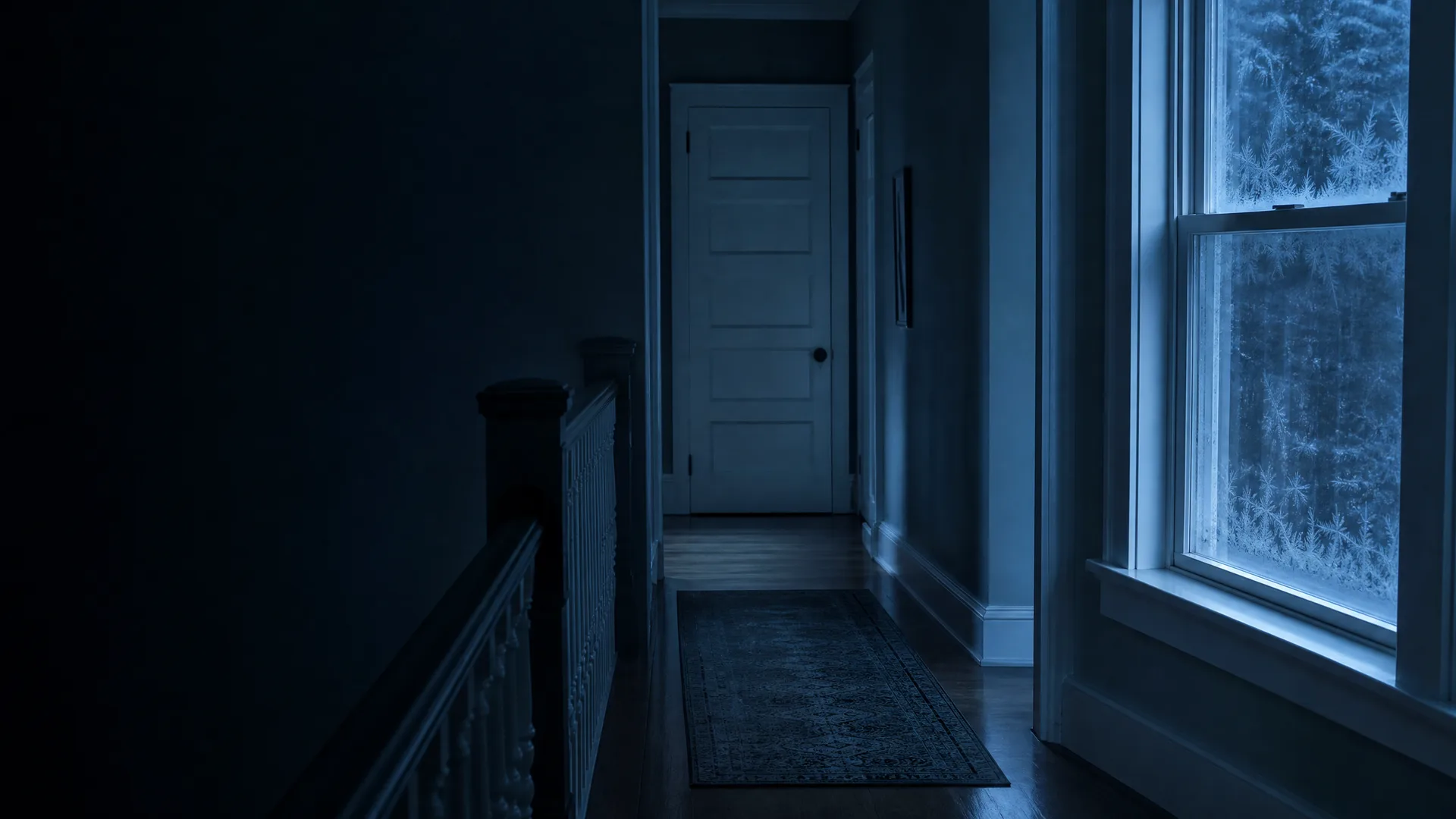
It is just past two in the morning and the house is quiet. Upstairs the hallway floor vent isn't moving any air. Frost has crept in at the edges of the window, and the only light is the dim blue of the smoke detector blinking down the hall. You felt the house start to go cold about an hour ago and came up to check on the kids' rooms. Outside it is somewhere near 23 degrees, the kind of Johnson County night where a furnace can't afford to sit idle. Downstairs, water has been collecting quietly under the furnace for longer than anyone noticed, and now the safety switch has cut the gas rather than let it run.

A furnace that stops leaking and stays stopped
Water under your furnace has one of a short list of causes, and all of them trace back to the condensate system or a cracked heat exchanger behind it. Clear that line, fix the trap or pump, or replace what's rusted through, and the furnace runs the rest of the winter without a drop on the floor.
What you don't have to do is figure out which of those it is on your own, or spend a cold night waiting on hold to find someone who works on furnaces in Johnson County. Send the form and that search is over. A licensed contractor who covers Overland Park gets your information and reaches out to you, and from there it's their job to trace the leak and fix it, not yours to keep guessing at it.


Get your furnace to the right pro
Send it once and finding someone is no longer on you.