Tell us about the job
Takes about a minute. No obligation.
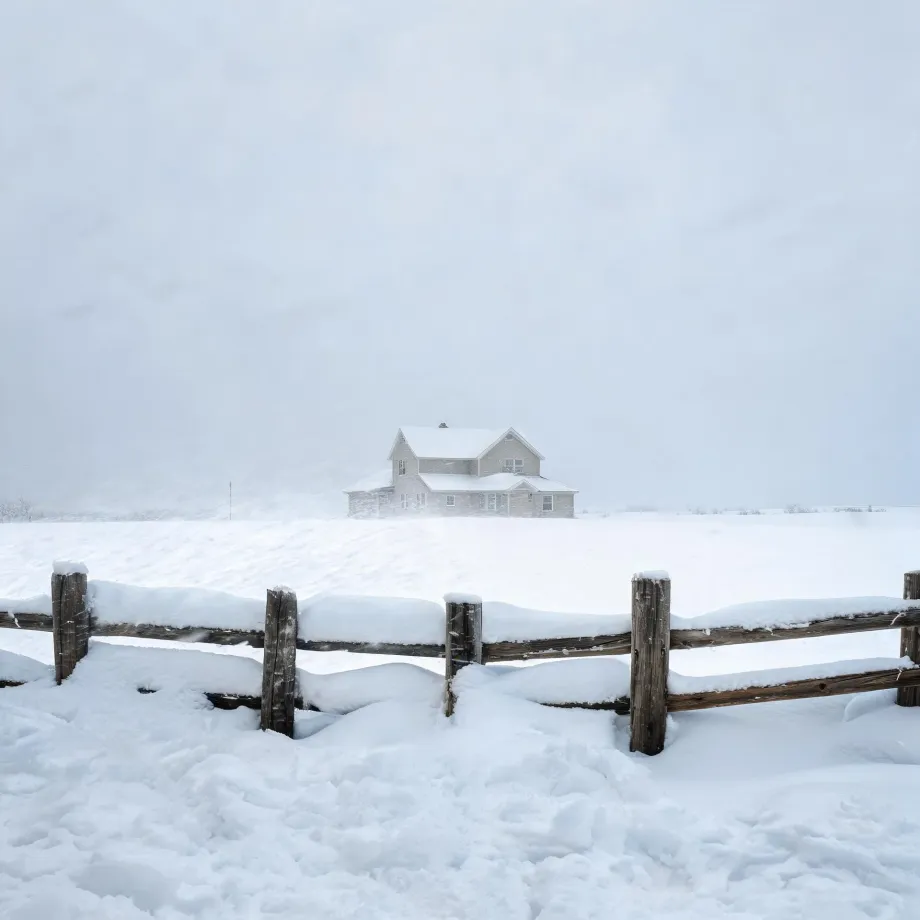
A contractor quoting furnace installation in Norton County has to get the load calculation right before anything else, because an undersized unit does not get a light season to recover in. Homes in Norton County, KS run heat about eight months a year, from October through May. The burner and heat exchanger cycle hard across those months, and a unit that runs at the edge of its capacity accumulates stress on the ignition system and the heat exchanger in ways that show up well before the end of a normal service life. Correct sizing at install is what keeps that from happening.
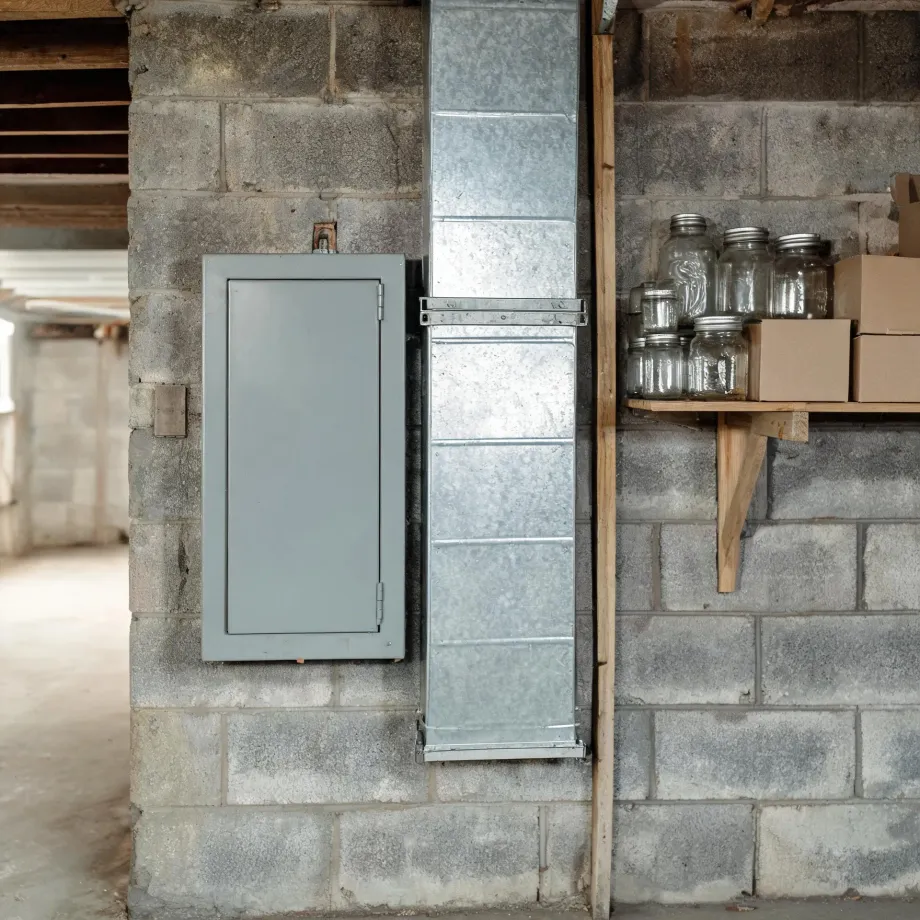
Ductwork sized for a furnace that has already been replaced once or twice is the variable that drives a Norton County installation job, and its capacity for a new unit is not something a contractor can read from the outside. Half the homes in Norton County, Kansas were built in 1957 or earlier (2020-2024 ACS 5-year). That depth of housing stock means the trunk lines, the branch runs, and the return paths in a given house were laid out around equipment that no longer exists in it. A contractor opening up an installation here measures what is actually there before anything gets ordered.
What Gets Installed With a New Furnace
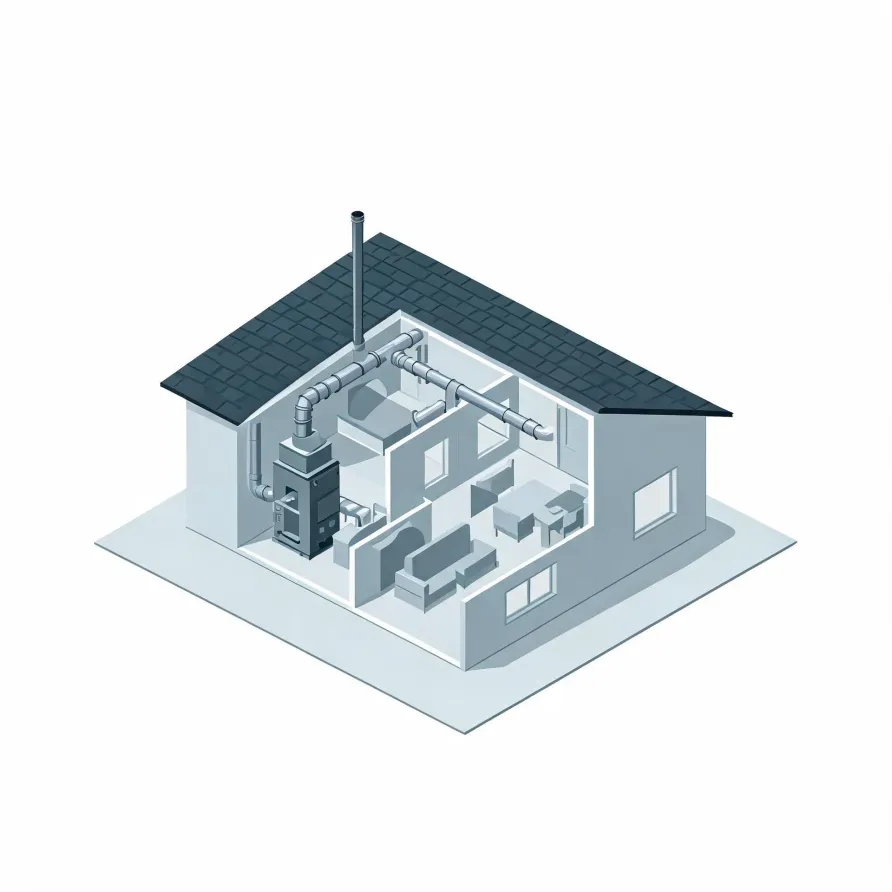
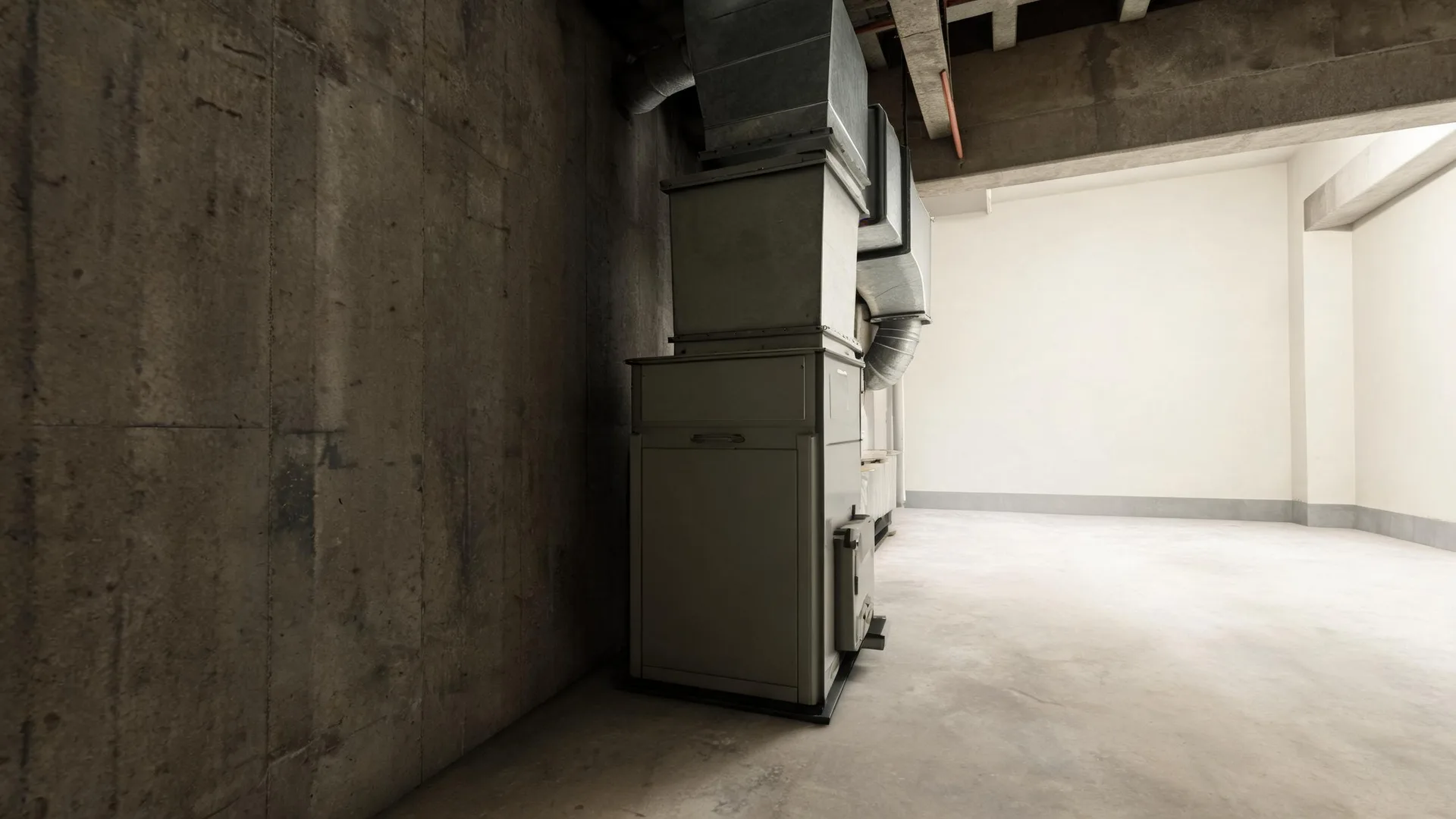
The furnace itself sits in a mechanical room, basement, or utility closet and is the unit a homeowner is most likely to have seen before. It holds the burner assembly, the heat exchanger, and the blower that pushes conditioned air into the house. A new furnace also comes with a flue pipe that runs from the unit to an exterior wall or rooftop, carrying combustion gases out.
The thermostat goes on an interior wall and is the control point for the whole system. A contractor also installs or replaces the furnace filter housing where the return air enters the unit, and fits a new condensate drain line on high-efficiency models where one is required. Each of these pieces connects to the furnace during the same visit.
The drawing shows a typical layout, and a licensed contractor determines exactly what applies to your house.
Get matched in Norton CountyNorton County, by the numbers
219 severe weather events were recorded in Norton County, Kansas between 2015 and 2024.
NOAA National Centers for Environmental Information, Storm Events Database, bulk CSV export, events 2015-01-01 through 2024-12-31.Half the homes in Norton County, Kansas were built in 1957 or earlier (2020-2024 ACS 5-year).
U.S. Census Bureau, 2020-2024 American Community Survey 5-Year EstimatesNorton County, Kansas holds 2,450 housing units (2020-2024 ACS 5-year).
U.S. Census Bureau, 2020-2024 American Community Survey 5-Year EstimatesOwners occupy 76.2% of the occupied homes in Norton County, Kansas (2020-2024 ACS 5-year).
U.S. Census Bureau, 2020-2024 American Community Survey 5-Year EstimatesCodes & Standards Governing Furnace Installation in Norton County, Kansas4 sourced rules and standards
What the Installation Actually Looks Like
Non-weatherized gas furnaces manufactured on or after November 19, 2015 must reach 80.0 percent AFUE.
Non-weatherized oil-fired furnaces manufactured on or after November 19, 2015 must reach 83.0 percent AFUE.
Mobile home gas furnaces manufactured on or after November 19, 2015 must reach 80.0 percent AFUE.
Non-weatherized gas furnaces manufactured on or after December 18, 2028 must reach 95.0 percent AFUE, up from the 80.0 percent minimum that applies to units manufactured before that date.
Severe Weather Events in Norton County
Extreme weather puts real demands on heating equipment: hard starts, sustained run times, and thermal stress that adds up over a system's life. How much of that a furnace faces depends on where it runs, which makes local weather history part of the installation picture.
219 severe weather events, 2015–2024. Source: NOAA National Centers for Environmental Information, Storm Events Database.