Tell us about the job
Takes about a minute. No obligation.
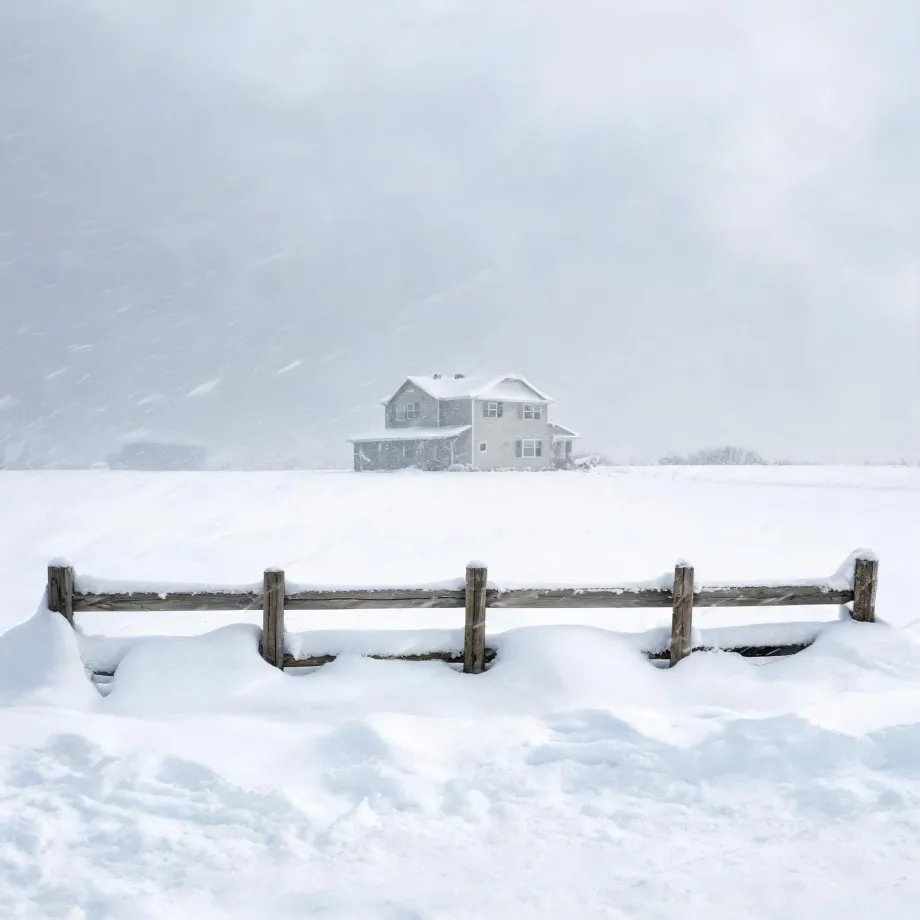
Sizing a furnace for a Chase County home is not a generic exercise because the burner, heat exchanger, and ignition system carry a long, unbroken load every year. Homes in Chase County, KS run heat about seven months a year, from October through April. A contractor working here has to run a load calculation against the actual floor area and insulation levels before quoting equipment, because a unit that is even modestly undersized will short-cycle or run continuously through the coldest stretches, putting extra stress on the heat exchanger and the ignition components. Poor ductwork sealing compounds this: conditioned air lost inside the envelope before it reaches the rooms forces the burner to fire longer and more often. A contractor will pull and inspect the existing ductwork before the new unit goes in.
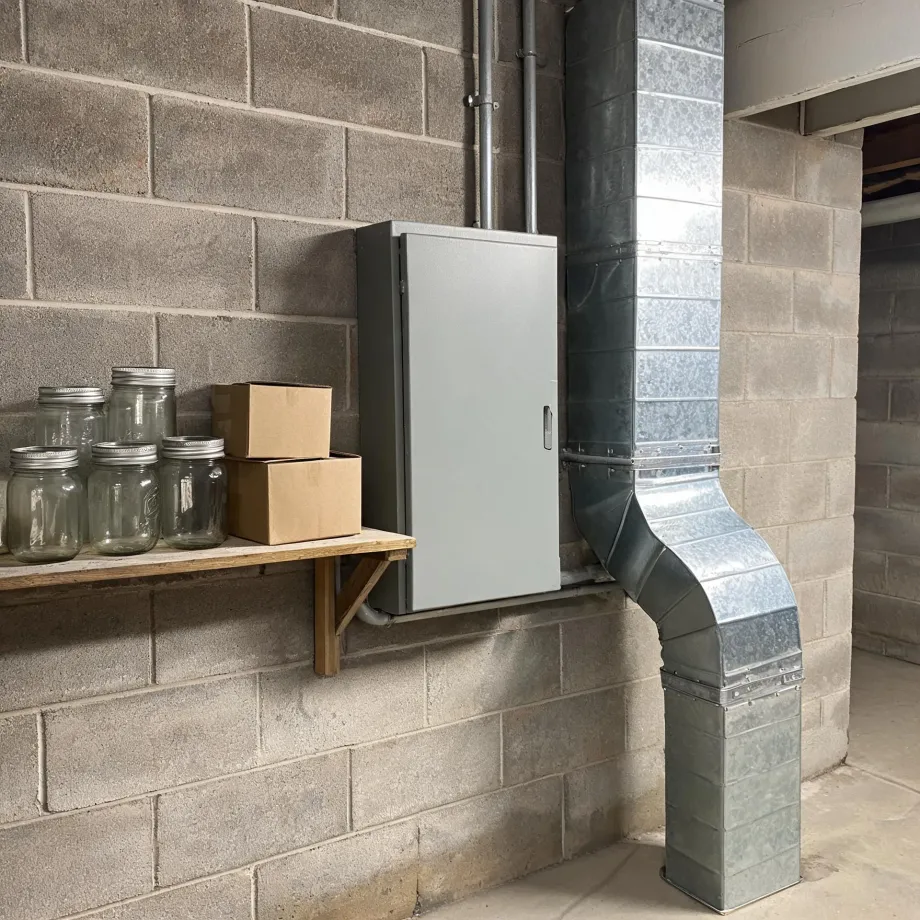
Ductwork laid out for the furnace a house originally ran is rarely the right fit for what a contractor installs today. Half the homes in Chase County, Kansas were built in 1958 or earlier (2020-2024 ACS 5-year). That gap between what was built into these houses and what a new furnace needs to move is where installation planning stalls: a contractor measuring rooms and calculating load still has to determine whether the existing duct network can handle the air volume a modern unit delivers, and in stock this old, the answer requires an inspection, not an assumption. Electrical service gets the same check, since a new furnace draw may exceed what the panel was sized for.
What Gets Installed With a New Furnace
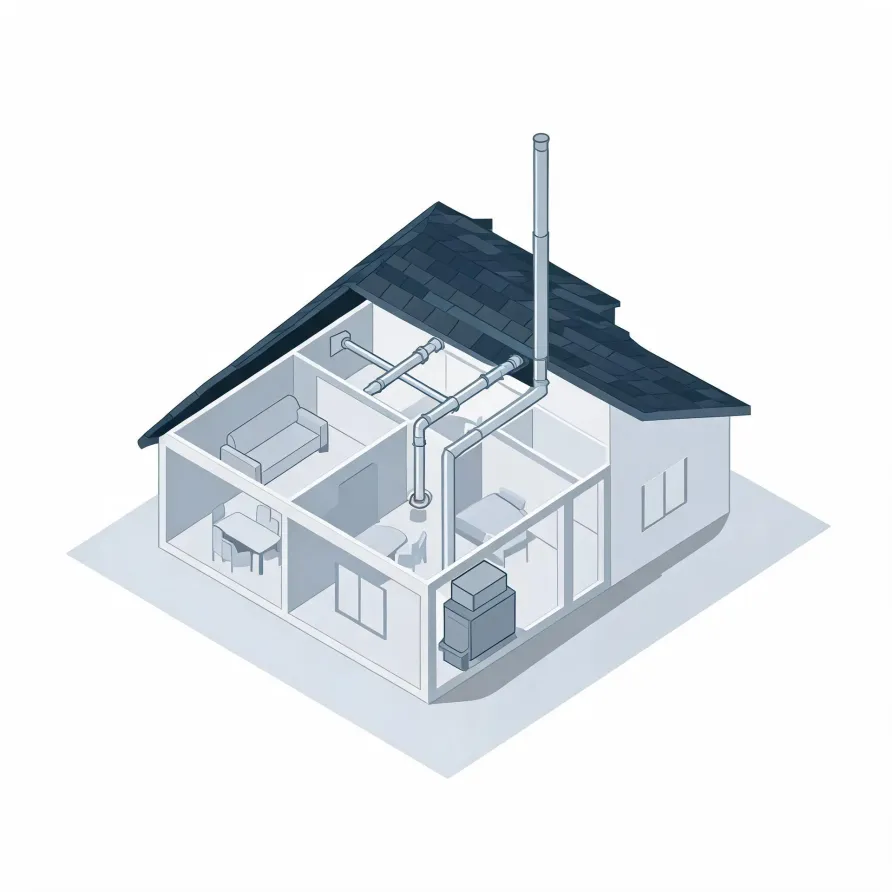
The furnace itself sits in a mechanical room, basement, or utility closet and is the piece doing the heating work. A burner assembly inside it ignites the fuel, a heat exchanger transfers that heat to moving air, and a blower motor pushes the warmed air into the supply side of the duct system.
The flue pipe runs from the furnace to an exterior wall or through the roof, carrying combustion gases out of the house. A thermostat mounts on an interior wall and serves as the control point, telling the furnace when to fire and when to stop.
The drawing shows a typical layout, and a licensed contractor determines exactly what applies to your house.
Get matched in Chase CountyChase County, Kansas, by the numbers
91 severe weather events were recorded in Chase County, Kansas between 2015 and 2024.
NOAA National Centers for Environmental Information, Storm Events Database, bulk CSV export, events 2015-01-01 through 2024-12-31.Half the homes in Chase County, Kansas were built in 1958 or earlier (2020-2024 ACS 5-year).
U.S. Census Bureau, 2020-2024 American Community Survey 5-Year EstimatesChase County, Kansas holds 1,388 housing units (2020-2024 ACS 5-year).
U.S. Census Bureau, 2020-2024 American Community Survey 5-Year EstimatesOwners occupy 73.3% of the occupied homes in Chase County, Kansas (2020-2024 ACS 5-year).
U.S. Census Bureau, 2020-2024 American Community Survey 5-Year EstimatesFurnace Installation Rules for Chase County, Kansas4 codes & standards
What the installation looks like in Chase County
Non-weatherized gas furnaces manufactured on or after November 19, 2015 must reach 80.0 percent AFUE.
Non-weatherized oil-fired furnaces manufactured on or after November 19, 2015 must reach 83.0 percent AFUE.
Mobile home gas furnaces manufactured on or after November 19, 2015 must reach 80.0 percent AFUE.
Non-weatherized gas furnaces manufactured on or after December 18, 2028 must reach 95.0 percent AFUE, up from the 80.0 percent minimum that applies to units manufactured before that date.
Severe Weather Events in Chase County
Extreme weather puts real load on heating equipment, and that load shapes what a furnace needs to handle over its working life. What happens in this county is the baseline any installation here has to be built around.
91 severe weather events, 2015–2024. Source: NOAA National Centers for Environmental Information, Storm Events Database.