



Kansas Furnace Pros

Why your house is dry with the heat on in Kansas

A local pro who services furnaces gets in touch about the tune-up.

Find a pro near me

Why is my house so dry when the furnace is running?

Your skin feels tight, your lips chap, static shocks you on doorknobs, and the wood floors start to creak more once the furnace kicks on for good. It feels like the heat itself is pulling moisture out of the air, and in a Kansas winter where that furnace might run for days without stopping, the dryness sticks around until spring.

A gas furnace heats air, it doesn't add moisture to it

Cold winter air holds very little water to begin with. When your furnace heats it, the relative humidity drops even further, because warm air can hold more moisture than it actually has. Nothing about that process adds water back in, so the air moving through your vents gets drier the longer the system runs. In a Kansas winter, with the furnace cycling on for weeks at a stretch, that dryness builds up inside the house instead of airing back out the way it might in milder weather. A technician checking your furnace during a maintenance visit can also look at whether a whole-home humidifier makes sense for your ductwork, since not every system is set up the same way.

A beige residential gas furnace with white PVC vent pipes, copper and yellow gas lines, and adjacent sheet-metal ductwork stands on a concrete floor beside a plain white wall.

Why cold air can't hold moisture

Cold air simply can't carry as much moisture as warm air. When outdoor air near freezing leaks into your house and your furnace heats it, its capacity to hold water jumps, but the actual water in it didn't increase. That air pulls moisture from everything around it, your skin, your furniture, the wood trim, to fill that gap. The furnace isn't drying the air by itself. It's heating air that was already dry to begin with, and the heating just makes that dryness felt.

A gray high-efficiency furnace with white PVC vent pipes and metal ductwork stands on a concrete floor beside a plain off-white wall in a basement.

What a furnace check won't fix

A furnace tune-up gets the burner, the igniter, and the blower running the way they should, but it doesn't add moisture back into your air. If a whole-house humidifier is tied into your ductwork, a technician can check that the pad is saturating, the water valve opens, and the unit is actually cycling with the blower. Local contractors who service furnaces all winter see which humidifier models hold up and which ones clog or stop working partway through the season.

Whole-House Humidifier or No Fix at All

Run a humidifier

  • A furnace-mounted humidifier adds water vapor to the air as it moves through the ducts, so every room gets some benefit, not just one.
  • It needs a water line and a drain, so a contractor has to set it up on the furnace itself rather than just plugging something in.
  • The pad or drum inside collects mineral scale from tap water and has to be checked and cleaned so it keeps working through the winter.
  • Set too high, it will fog your windows and leave moisture inside the walls, so the setting has to match how cold it is outside.
  • Once it's installed, it runs whenever the furnace does, so you're not refilling a tank or moving a unit room to room.

Live without one

  • Nothing to install and nothing to maintain, which matters if you'd rather not add another thing to the furnace.
  • Static shocks, chapped lips, and creaking floors stay part of a Kansas winter instead of easing off.
  • Wood floors and trim keep shrinking and swelling each year as the air inside swings dry in winter and sticky in summer.
  • A small portable humidifier can help one room, like a bedroom, but it won't change the air in the rest of the house.
  • You're relying on whatever moisture is already in the house air, and a furnace that runs all winter will keep pulling that down.
A gray gas furnace stands on a concrete basement floor, connected to sheet-metal ductwork, white PVC vent pipes, and a yellow gas line, with plastic sheeting covering the walls.

A furnace running clean

A furnace like this one moves air through tight ductwork with nothing blocking the flow. The burners fire evenly and the system holds whatever humidity you add to it, instead of losing it to leaks or a clogged filter working against it.


A metal furnace with louvered panels stands against a concrete basement wall, connected to sheet-metal ductwork and a round flue pipe, with wooden framing posts and a pipe nearby.

A furnace losing the fight

Dust buildup like this means the filter and coil are working harder than they should. An older unit that's never been serviced can leak air at the joints, and any moisture you add gets pulled right back out before it reaches the rooms you live in.

A woman with long gray hair wrapped in a checked blanket sits on a sofa by a window with yellow autumn foliage outside, with a lamp, framed picture and plant in the background.
An older woman in a cream knit sweater sits on a sofa by a window, looking out at sunlit trees with yellow and orange autumn leaves, with a bookshelf and lamp behind her.
A woman with gray shoulder-length hair in a dark knit sweater sits on a cushioned seat by a window, looking out at yellow autumn foliage, with a living room, armchair, houseplant and framed picture behind her.
An older woman with gray hair in a bun, wearing a cream knit sweater, sits on a sofa with a gray blanket and looks out a large window toward yellow-green autumn trees, with a lit table lamp and dark armchair behind her.

Matched to your furnace job

A furnace that's never been serviced loses ductwork seals, lets the filter clog, and runs longer than it should to hit the thermostat setting, and all of that works against whatever moisture you're trying to keep in the air. A contractor who services furnaces in Kansas all winter has seen which parts of a system let humidity slip out, whether that's a duct joint in the attic or a blower working too hard because of a dirty filter. Catching that during a maintenance visit is different from guessing at it yourself. Submit a request and it goes to one licensed contractor local to you, not several, so you're not fielding calls from companies you didn't ask for. They'll look at your furnace itself, not just the thermostat setting, and tell you what's actually driving the dry air in your house this winter.

How your furnace actually moves air

  • A furnace heats air with a heat exchanger, not an open flame touching the air itself.
  • Return air gets pulled in through the filter, crosses the hot exchanger, then pushes out through the supply ducts.
  • The blower moves roughly the same volume of air whether it's humid or bone dry, so dryness isn't about airflow.
  • Gas furnaces vent combustion byproducts straight outside through a flue, pulling in replacement air from inside the house.
  • That replacement air often comes from gaps around doors, windows and outlets, and it's usually drier outdoor air in winter.
  • A humidifier mounted on the furnace adds water only when the blower runs, so a short cycle adds less than a long one.

A furnace doesn't burn gas into the air you breathe. The flame heats a metal heat exchanger, and the air from your rooms passes over the outside of it, picking up heat without ever touching combustion. That air comes from your return vents, crosses the exchanger, and goes back out through the supply ducts into every room. The blower pushes close to the same amount of air whether it's dry as a bone or holding plenty of moisture. So if the house feels drier once the furnace starts running for the season, it's not because the system is moving more air or less of it. The dryness comes from somewhere else in the process. Gas furnaces have to vent what the flame produces, and that goes straight outside through a flue, not back into your ducts. Every bit of that exhausted air has to be replaced by air pulled in from somewhere in the house, and in winter that's usually outdoor air leaking in around doors, windows and outlet boxes, since outdoor air in Kansas winters carries very little moisture to begin with. A humidifier mounted on the furnace only adds water while the blower is actually running. A thermostat set to cycle the furnace in short bursts adds less moisture over the day than one that lets it run longer stretches, even with the same humidifier doing the work.

A woman in a cream knit sweater sits in an armchair with her eyes closed and a slight smile, beside an open window showing orange autumn foliage, with a mug, books and a lit candle on a small side table.
An older man with gray hair and a beard leans back on a beige sofa with his eyes closed, in a sunlit room with potted plants, a wicker chair and large windows behind him.

Leaky ducts, drier air

Ductwork that leaks pulls in dry outside air and loses the warm air you just humidified. A contractor can find those leaks and seal them before another cold snap sets in.

Find a local pro

A tuned furnace holds humidity better

A furnace that's been serviced runs shorter cycles and keeps its seals tight, so whatever moisture is in your air stays in your house instead of leaking out.

Find a local pro

Is the dry air in your house actually a problem?

Past the chapped lips and the static, look at what's around you. Wood floors and trim can shrink enough to gap or crack once the furnace runs all day. Houseplants droop no matter how much you water them. Wallpaper edges curl up. If anyone in the house has asthma or allergies, dry air can make breathing rougher at night. None of this means something is broken. It means the air in your house has less moisture in it than your body and your house are used to, and it will stay that way through the winter unless something changes how your furnace handles humidity.

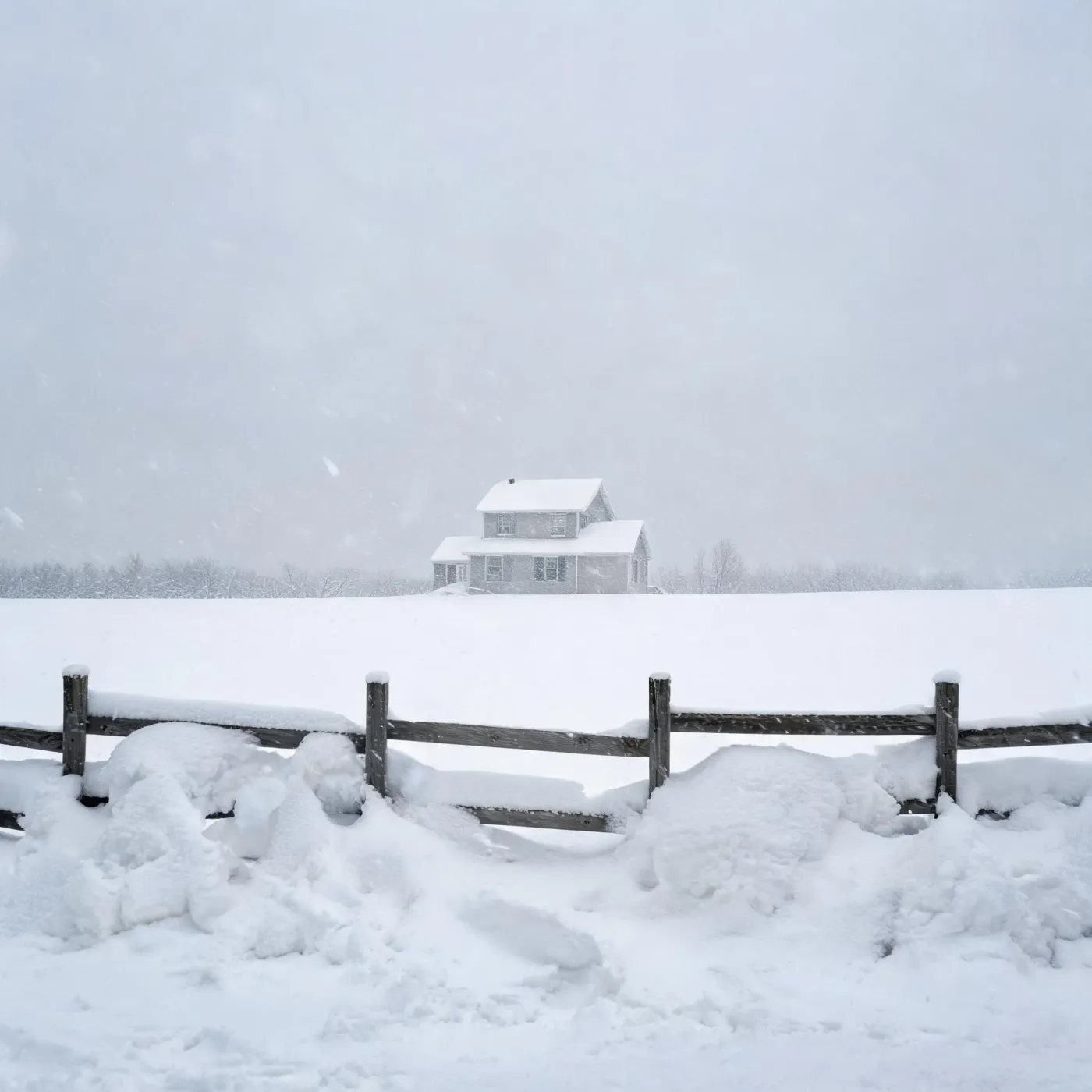
A two-story light-colored house with snow-covered roofs stands beyond a snow-filled field, with a weathered wooden post-and-rail fence half buried in drifts in the foreground under an overcast, hazy sky.

Winter nights average 23°F statewide, according to NOAA climate data. At that temperature, outdoor air holds almost no moisture at all, so when your furnace draws it in and heats it, the dryness just gets stretched further. That's why the air coming out of your vents feels so parched even though the furnace is only doing what it's built to do. The colder the night gets, the harder your furnace has to work to bring air up to room temperature, and the drier that air turns out once it's heated. On a run of nights near freezing, you'll likely notice the difference by morning, in your throat, your sinuses, or the static that builds up faster on the carpet.

NOAA nClimDiv 1991-2020 county normals weighted by homes

An older metal furnace with PVC and metal pipes stands on a concrete basement floor beside galvanized ductwork, with wooden stairs and a water tank in the background.
Before you get your furnace maintenance
A gray high-efficiency furnace in a basement with sheet-metal ductwork, white PVC vent pipes, metal plumbing lines, a condensate pump on the floor, and a window showing green trees outside.
After you get your furnace maintenance

Winter nights average 23°F statewide

At 23 degrees, that outside air is carrying almost nothing in the way of moisture before your furnace ever touches it. Once the burners heat it up and push it through your ducts, you're spreading that dry air through every room instead of fixing it. A furnace that's tuned up and sealed tight is the only thing standing between that cold night air and how dry your house feels by morning.

NOAA nClimDiv 1991-2020 county normals weighted by homes

The dryness isn't something wrong with your furnace. It's cold Kansas air with almost nothing in it getting heated and pushed through your house. A furnace that's sealed up tight and tuned to run the way it should will hold onto whatever moisture is there instead of losing it to leaks and a dirty filter. Getting that checked before the worst of winter hits means a local contractor who works on furnaces like yours all season, the kind who's seen what a Kansas winter does to ductwork and knows where the seals tend to give out first. You'd be matched with one contractor for your house, not a handful competing for the job, so the person who calls you already knows what you're dealing with. From there it's between you and them, on your schedule, before the air gets any drier than it already is.

A gray high-efficiency furnace with two access panels stands on a concrete basement floor, connected to sheet-metal ductwork and white PVC vent pipes, with wood framing and a gas line nearby.

A local pro for your furnace maintenance

Step 1 of 3: Equipment