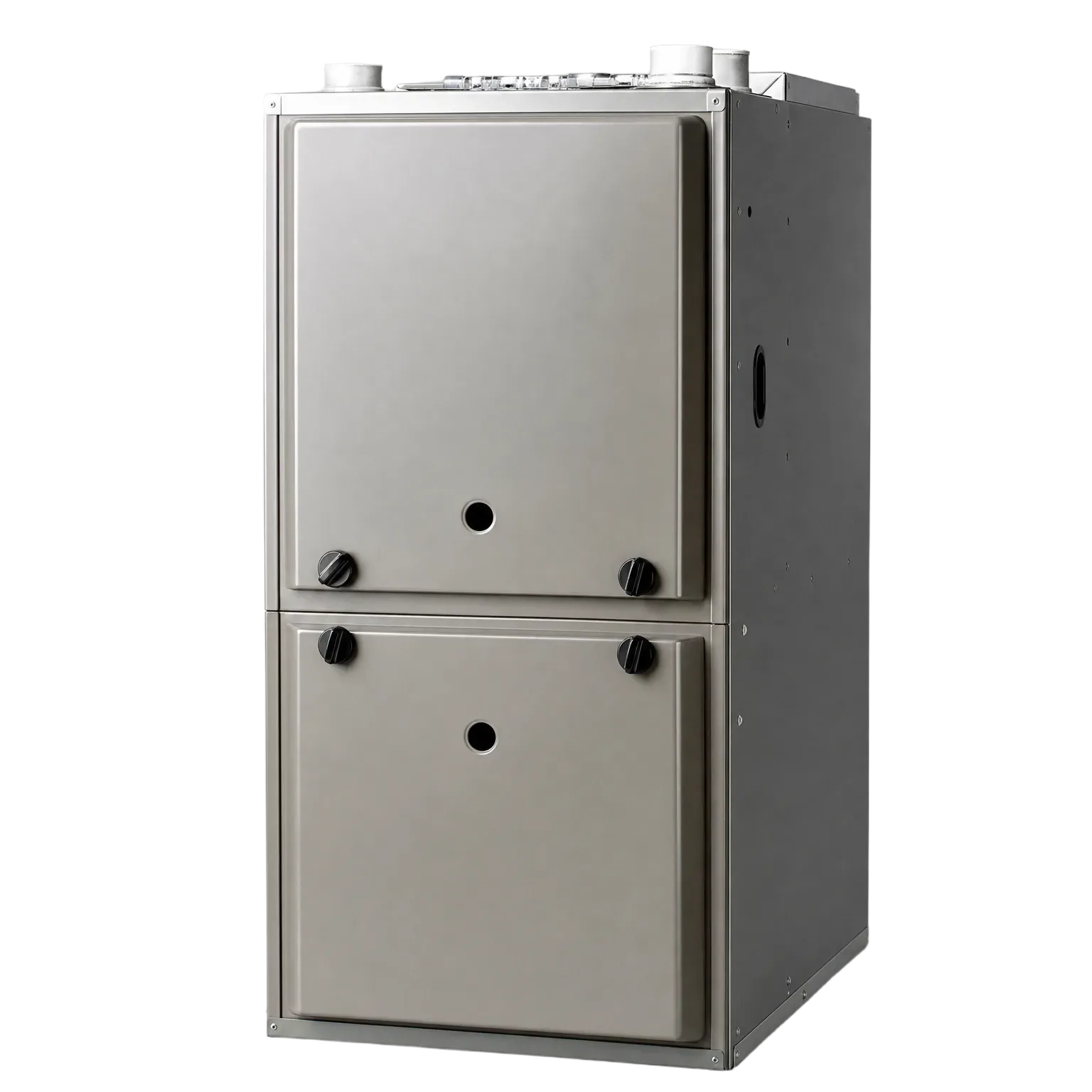
15 to 20 years
That's the stretch where most furnaces in Junction City start costing more to keep than to replace, especially once repairs show up more than once a season.
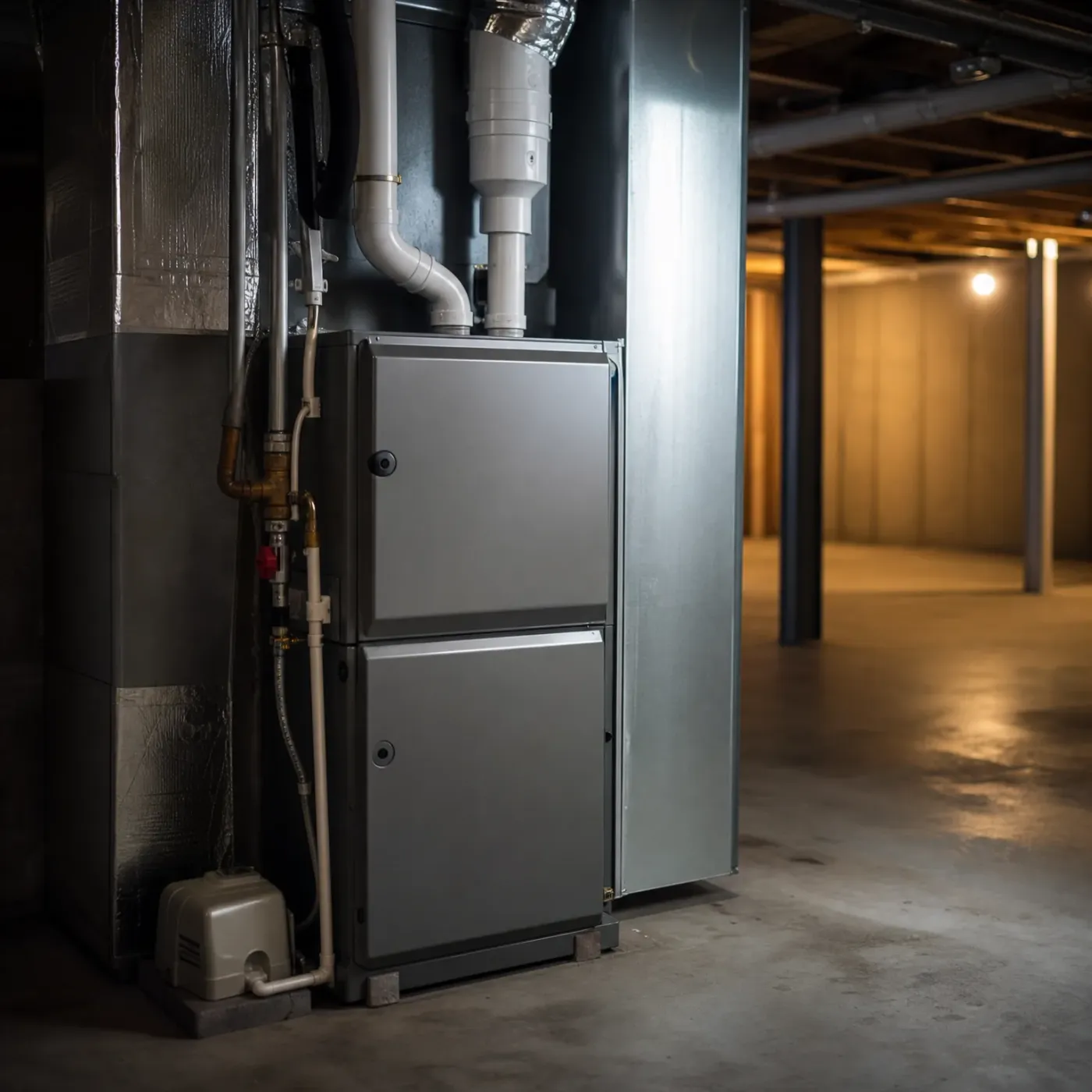
No quotes to chase
A furnace that's struggling in a Junction City winter usually gives you some warning, but it's not always obvious whether a repair will hold or whether you're better off replacing it. This page walks through the signs that point to replacement and what to weigh given gas heat and the cold stretch from November through March. Skip calling around to different companies and explaining your furnace's history more than once. A local contractor who works on these systems all winter can look at yours and tell you where it stands.
Skip the callsMost furnaces in Junction City are worth replacing once they're past 15 to 20 years old and starting to need repairs more than once a season. Winters here get cold enough that a furnace runs for months straight, and that kind of steady use wears down the heat exchanger, the igniter and the blower motor over time. A furnace that's still under 15 years old and runs fine between repairs is usually worth fixing. One that's older, or that's losing heat output, cycling on and off too often, or costing more to run than it used to, is telling you the equipment is at the end of its life. Waiting it out risks it failing on one of the colder nights of the year, when you need it most and when finding someone to replace it fast is harder than planning ahead.
Winter nights average 21°F
Overnight lows average 21°F in December, January and February, so your furnace runs its full heat output for hours on most winter nights, not just quick bursts.
Heat runs October through April
Heat runs here from October through April, close to seven months a year. A furnace that's already tired doesn't get much of a break before the next cold stretch.
50.2% of homes heat with gas
Just over half of homes in Geary County heat with gas, same as a furnace. Parts, filters and service here are sized around that fuel, not a guess.
NOAA nClimDiv 1991-2020 · ACS 2020-2024
A furnace that's 12 years old and has needed one repair is still a reasonable bet. Keep it running, fix what breaks, and put the money toward something else this winter.
A furnace that's 17 years old and just needed its second repair this season is a different case. You could pay for the fix again, but a January breakdown after that won't wait for spring.




That's the stretch where most furnaces in Junction City start costing more to keep than to replace, especially once repairs show up more than once a season.
Your furnace works most of the year here, not just a few cold snaps, so an aging unit gets fewer months off to coast before the next winter starts.
You might notice the burners taking longer to catch, or a burning smell the first few times it fires up after sitting idle. Some rooms run cold while others stay warm, or the furnace cycles on and off more than it used to. The blower might run loud, or you hear a bang or rattle at startup. If you've had a repair tech out more than once this season, or your gas bill has crept up without a reason you can point to, that's the furnace working harder to do the same job. Left alone through a Junction City winter, a furnace in this shape is more likely to quit on a night you need it most.
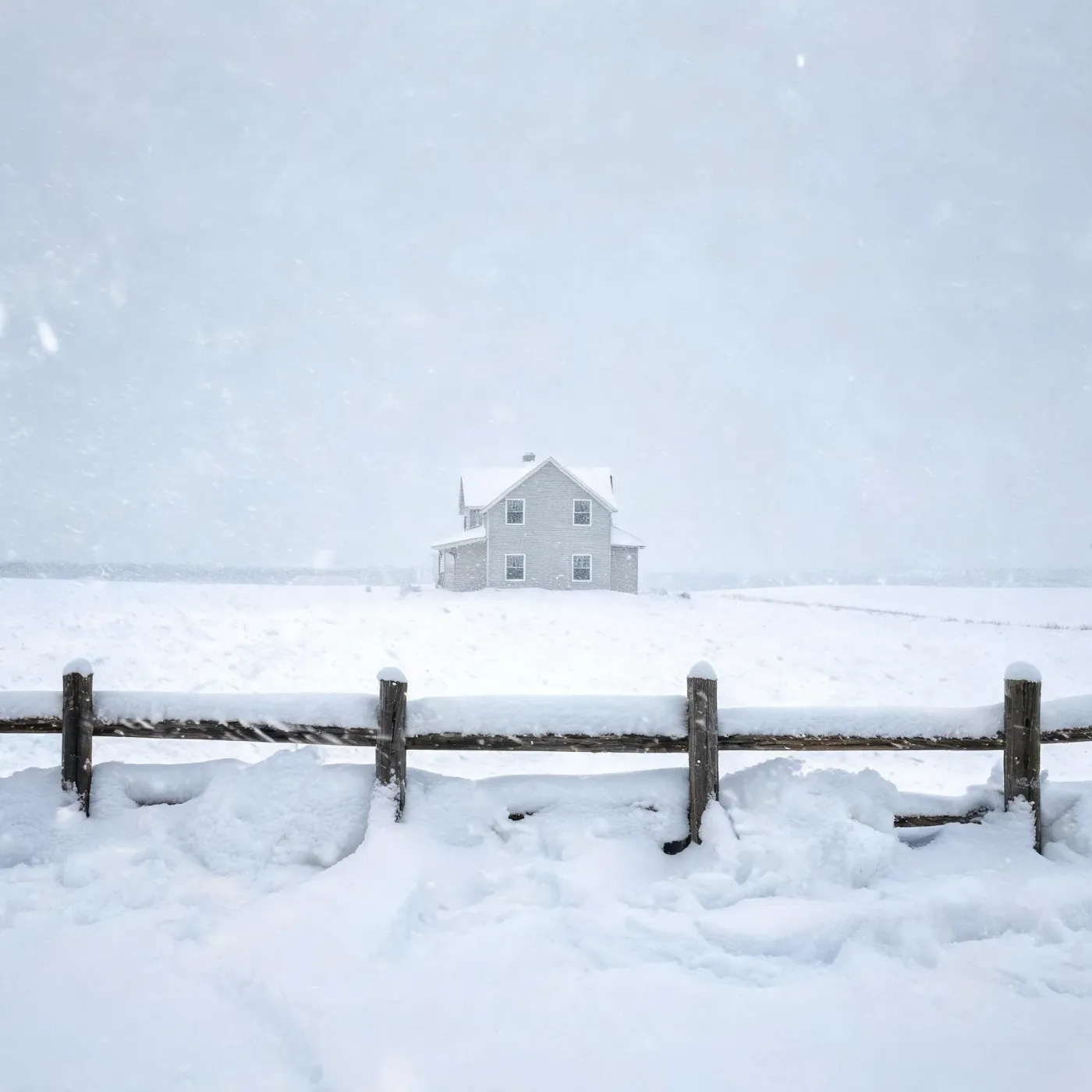
On a 21°F night, a furnace isn't idling. It's pushing a full heat cycle for hours to hold the house steady, and an old heat exchanger or a weak blower motor feels that load in a way it wouldn't on a milder night. That's often when a furnace that's been getting by finally shows itself: a room that won't come up to temperature, or a unit that runs most of the night without catching up. If it's giving you that trouble now, you're not stuck calling around to find out who can look at it. One licensed Junction City contractor who works on furnaces all winter gets the call, and that's the only call you make.
Figure: National Weather Service, Geary County average winter overnight low.
NOAA nClimDiv 1991-2020
One installer gets your project, so there's no bidding war over it.
Sending the form costs nothing.
Replacing a furnace usually starts with finding out who's good, and that alone can eat an evening. Calling a few companies, explaining the same symptoms each time, waiting on quotes, then trying to compare them when they're not even bidding the same job. A request through this page skips that part. It goes to one licensed contractor working in Junction City, someone who sees this furnace model and this cold every winter and knows what tends to go first in a house like yours. You get one call, not five, and no round of sorting through quotes that don't match up.
If the furnace is still young and this is its first real repair, fixing it is the reasonable move. A repair call is simpler than a replacement, fewer decisions, less to compare. But it's worth watching what happens after. A furnace that needed one fix this winter and runs fine through the rest of it is doing what it should. One that needs a second call before spring is telling you the first repair bought time, not a fix, and that's worth a second look before next winter.
At 21°F, a furnace can't ease into the job. It has to hit full output fast and hold it for hours, and an aging heat exchanger or blower motor shows its weak points under that kind of steady demand.
NOAA nClimDiv 1991-2020
A single repair on a furnace that's otherwise kept up with winter doesn't mean much on its own. If the blower motor or igniter failed once and everything else is running fine, paying for that fix and moving on is still the cheaper path. You get the rest of this winter and probably several more out of it. The furnace has already shown it can hold a 21°F night without the rest of the system giving out, and that counts for something. Not every repair bill is a sign the furnace is done. Sometimes it's just the one part that wore out first.
A furnace that's into its second or third repair in a season is telling you something different. Each fix buys you a little more time, but the parts around the one that just failed are the same age and under the same load every cold night. At some point the money going into keeping it running stops making sense next to the cost of replacing it outright. If your furnace is past 15 years and the repair calls are getting more frequent, that pattern usually doesn't reverse itself once the real cold sets in.


Start to finish, a gas furnace follows the same order every time it fires. The igniter sparks, the burners light, and the heat exchanger takes on that heat before the blower ever turns on to move air across it. The flame sensor is watching that whole first second, confirming the burners actually caught before it lets the furnace keep running. The heat exchanger itself does one job: keep combustion gas on one side and the air going into your house on the other. That's why a crack in it isn't something a contractor patches. Once gas can reach the air stream, the only fix is a new furnace. The blower motor has a harder job than people think. On a cold night it isn't cycling on and off, it's holding steady output for hours, and that steady load is what wears a motor down over the years. When a furnace starts short-cycling, shutting off every few minutes instead of running its full cycle, that's usually a part struggling, not a thermostat problem.



If your furnace is 15 to 20 years old and repairs are starting to stack up, replacing it is the sounder bet before the next cold stretch asks more of it than it has left to give. If it's younger and this is its first real repair, fixing it and moving on still makes sense.
Once you decide to replace it, the rest of the work is finding someone who can do it right, and that part takes more evenings than people expect. You'd normally be calling around, describing the same symptoms to each company, then waiting on quotes to compare. Here, that search is already done. You're matched with one licensed local contractor who installs furnaces in Junction City winters every year and knows which parts give out first in this kind of cold, so you're not fielding calls from five companies trying to win the job.


Describe it once