
Kansas Furnace Pros

What to do when the heat goes out in Topeka, KS

Step 1 of 3: Equipment

First, check the simple things. Look at the thermostat and make sure it's set to heat and set above room temperature. Check the breaker box for a tripped breaker, since a furnace needs power even when it runs on gas. If those are fine, check whether the pilot light or igniter is working, and listen for the blower turning on at all. A furnace that won't fire is usually an ignition problem, a bad flame sensor, or a safety switch that shut it down because of a clogged filter or a blocked vent. With Topeka winters running cold, a dead furnace is not something to leave for a day or two. Pipes can freeze and the house cools fast once the system stops. If the basic checks don't bring it back, the next step is getting someone qualified to look at the actual furnace, not guess at it over the phone.

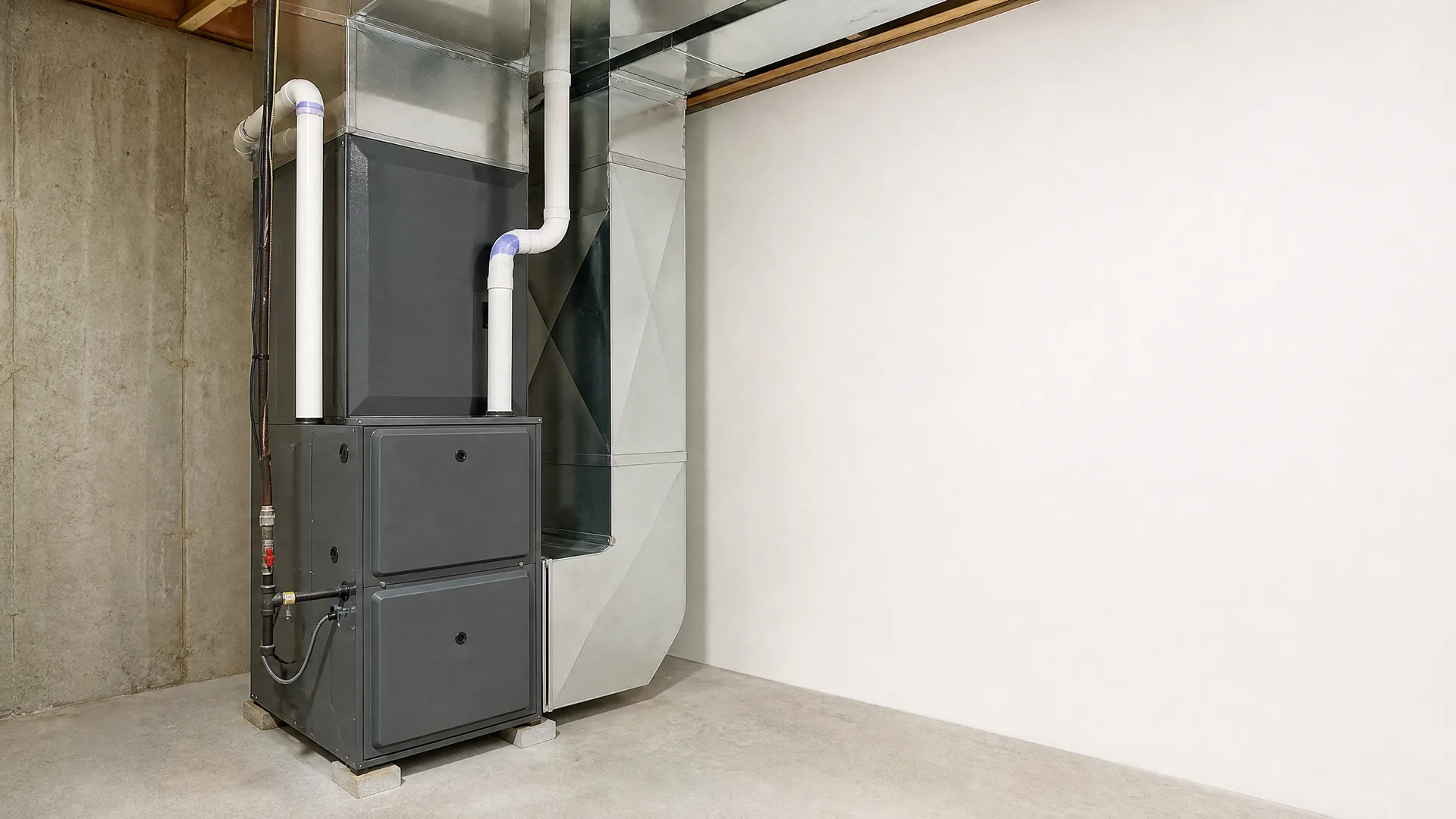
A gray high-efficiency furnace with white PVC vent pipes stands beside sheet-metal ductwork and a water heater in an unfinished basement with concrete walls and wood framing.

Furnace running right

A furnace like this holds a steady flame and even heat, with the inducer motor pulling exhaust out through the PVC pipe without trouble. No scorch marks near the burners. No short cycling. It answers the thermostat within a minute or two and keeps the house at that temperature through the night.

A beige gas furnace with a metal flue pipe stands in a basement against concrete block walls, beside sheet-metal ductwork, copper and white plastic pipes, and a water heater at right.

Furnace in trouble

An older furnace like this one is more likely to show rust on the heat exchanger or a burner flame that's yellow instead of blue. Galvanized duct joints can loosen with age and leak heated air into the basement. If yours is this old, a technician who works on these units every winter will know what tends to go first.

Why is my house getting colder by the hour?

Once the furnace stops, a Topeka house doesn't take long to show it. You'll feel it first in the rooms farthest from the thermostat, then notice the air coming from the vents is cool instead of warm, or not moving at all. Some furnaces click and try to start every few minutes without catching, which sounds like trouble because it is. Others just go quiet. If you smell gas anywhere near the unit, leave the house and call the gas company before you do anything else. Left alone through a cold night, pipes along outside walls can freeze, and a house that keeps dropping into the 50s stays uncomfortable for everyone in it until the furnace is actually fixed.

A dark gray high-efficiency furnace with white PVC vent pipes stands against a concrete basement wall, connected to sheet-metal ductwork running along the ceiling joists.

Why the igniter fails first

Most furnaces in Shawnee County use a hot surface igniter instead of a standing pilot. It's a thin ceramic strip that glows to light the gas, and it takes the same strain every time the furnace cycles on. After enough winters of that heating and cooling, the strip develops a hairline crack and stops glowing. A furnace that clicks, tries to light, and shuts off without flame is usually telling you the igniter is done.

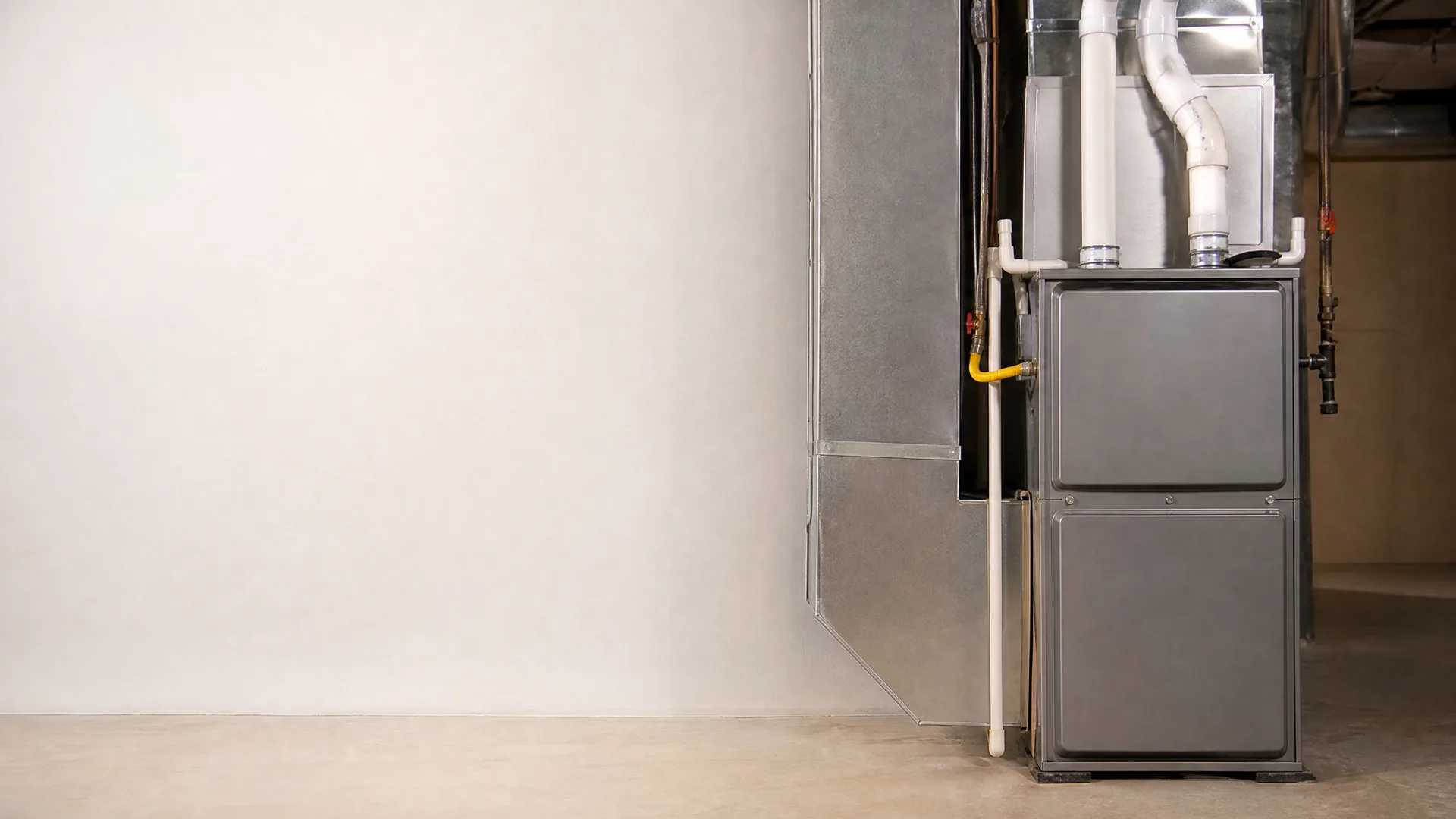
A gray high-efficiency furnace with white PVC vent pipes, a yellow gas line and metal ductwork stands against a plain light wall in a basement with a concrete floor.

What the inducer motor does

Before gas ever reaches the burners, the inducer motor runs first to clear the exhaust path through the vent pipe. A pressure switch checks that the motor is actually moving air, and if it doesn't sense that pull, it won't let the gas valve open. A furnace that hums or runs a motor but never fires is often stuck right there, at the pressure switch waiting on an inducer that isn't pulling enough.

How cold does a Topeka furnace actually have to work?

  • Winter nights average 22°F

    Winter nights here average 22°F, so when a furnace quits, the house isn't just chilly, it's losing heat against real cold.

  • Heat runs October through April

    Heat runs October through April here. That's most of the year your furnace can't be the thing you ignore.

  • 68% of homes heat with gas

    68% of homes in Shawnee County heat with gas, so if yours does too, a gas furnace problem is a common call, not a strange one.

NOAA nClimDiv 1991-2020 · ACS 2020-2024

The order a furnace fires in

  • A gas furnace fires in a set order: thermostat call, inducer motor starts, igniter glows, gas valve opens, burners light.
  • A flame sensor has to see the burner flame within seconds or the gas valve shuts back off as a safety check.
  • The inducer motor has to prove it's pulling exhaust before the igniter is even allowed to glow.
  • If the igniter cracks or weakens, the burners may try to light and fail several times before the furnace locks out.
  • A dirty flame sensor can read a real flame as no flame, which shuts the gas valve even though the burners lit fine.
  • Furnaces built with this safety order will not run on a hunch; every step has to check out before the next one starts.

A furnace doesn't just light when the thermostat calls for heat. It moves through a set sequence, and every step has to pass before the next one is allowed to happen. The thermostat sends the call, and the inducer motor starts first, pulling exhaust out through the vent pipe. A pressure switch has to confirm that airflow before the igniter is even allowed to glow. Once it does, the gas valve opens and the burners light. From there, a flame sensor, a thin metal rod sitting in the burner flame, has to detect that fire within seconds. If it doesn't, the gas valve shuts again as a safety check, even if the burners actually lit.

This order exists because gas without a flame to burn it is dangerous, so the furnace is built to doubt itself at every stage rather than assume things are working. A cracked or weakened igniter can cause the burners to try and fail several times before the system locks out entirely. A flame sensor coated in a thin layer of carbon can fail the opposite way, reading no flame when there's a real one lit in front of it, and shutting the gas off on a furnace that was working. None of this is random. A furnace that won't stay lit is usually failing one specific step in this chain, not giving up altogether.

A middle-aged woman with shoulder-length dark hair, wearing a gray cardigan over a cream top, sits in an upholstered armchair and looks toward a sunlit window, with a shelf holding framed pictures and a plant behind her.
A woman and a child wrapped together in a knitted gray blanket on a couch, with the child's head resting on her shoulder and a lit table lamp and houseplant in the background.

Wait it out

If it's a tripped breaker or a thermostat setting, you've already fixed it. But if the igniter or flame sensor is the problem, the house keeps losing heat while you wait.

Find a licensed pro

Call someone who knows this equipment

A local contractor who works on Topeka furnaces all winter can tell a bad igniter from a flame sensor fast, and get your heat back before the house gets much colder.

Find a licensed pro
A gray-haired man in a dark long-sleeve shirt sits on a gray sofa in a living room, looking toward a sunlit window with sheer curtains.
A gray-haired man in a dark green sweatshirt sits on a sofa in a living room, looking toward a bright window, with a houseplant, lamp, fireplace and framed art behind him.
A gray-haired bearded man in a dark green collared sweater sits on a sofa in a living room with a window, houseplant, floor lamp and bookshelves, looking off to the side.
A gray-haired man in a dark green sweater sits on a sofa in a sunlit living room, looking off to the side, with a framed landscape painting, dining table and shelving behind him.
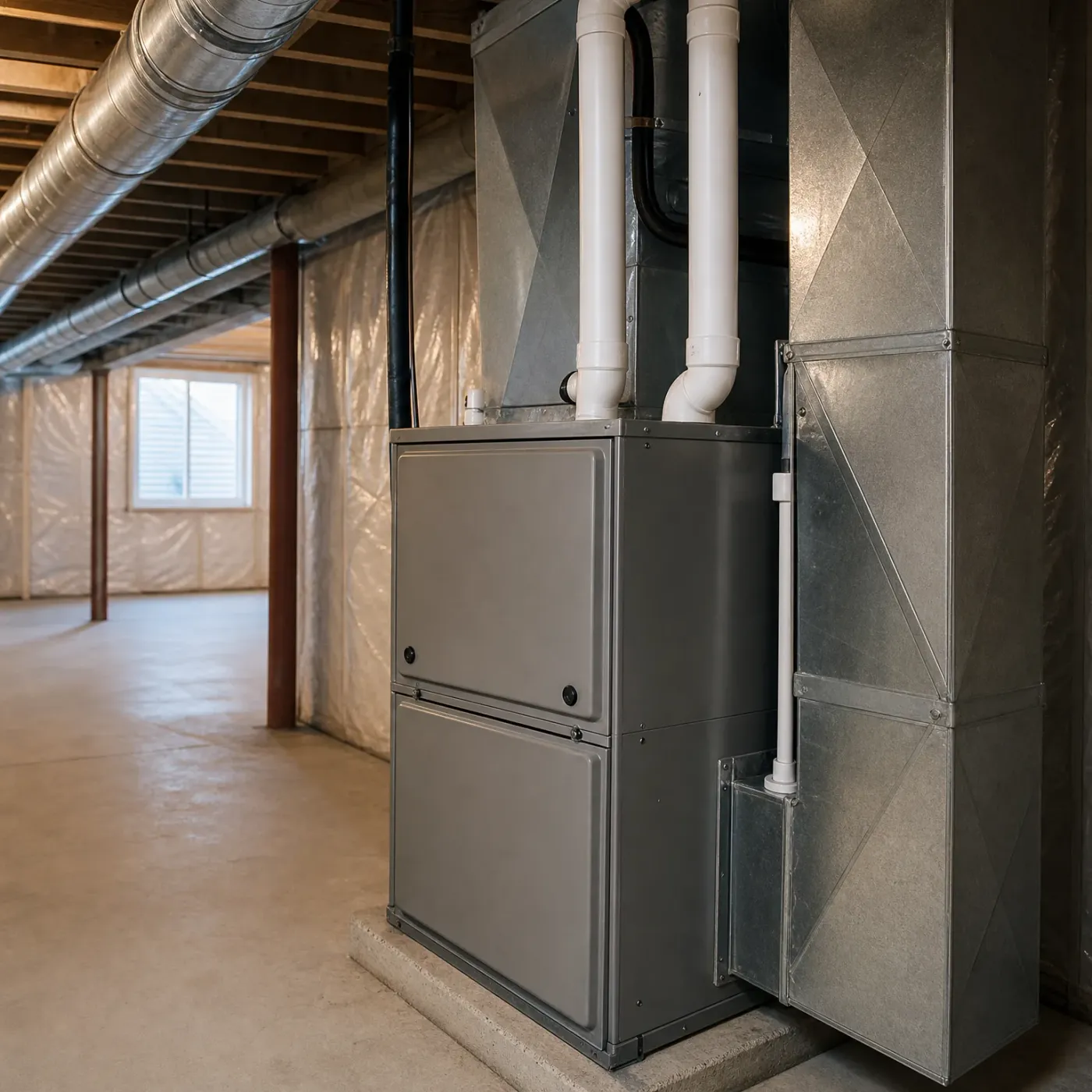
A gray high-efficiency furnace on a concrete pad in an unfinished basement, with white PVC vent pipes, galvanized sheet-metal ductwork, insulated walls and a small window in the background.

Get the right pro for your furnace

The pro who reaches out is licensed in Kansas.

Get matched with someone who does this kind of work in Shawnee County.

Find a local pro

No charge to send it. You decide if you hire them.

A beige high-efficiency furnace in an unfinished basement, with white PVC vent pipes, a yellow gas line, metal ductwork, and exposed wood framing on a concrete floor.
A furnace like this fires right away and keeps a steady flame, with the PVC pipe clear and no strain on the gas lines feeding it.
An older beige furnace with two louvered vent panels stands on a concrete basement floor, connected to galvanized ductwork and a metal flue pipe, with gas piping and flexible conduit on the wall behind.
A furnace like this, with its older iron gas pipe and flue, is the kind that tends to call a contractor sooner rather than later.
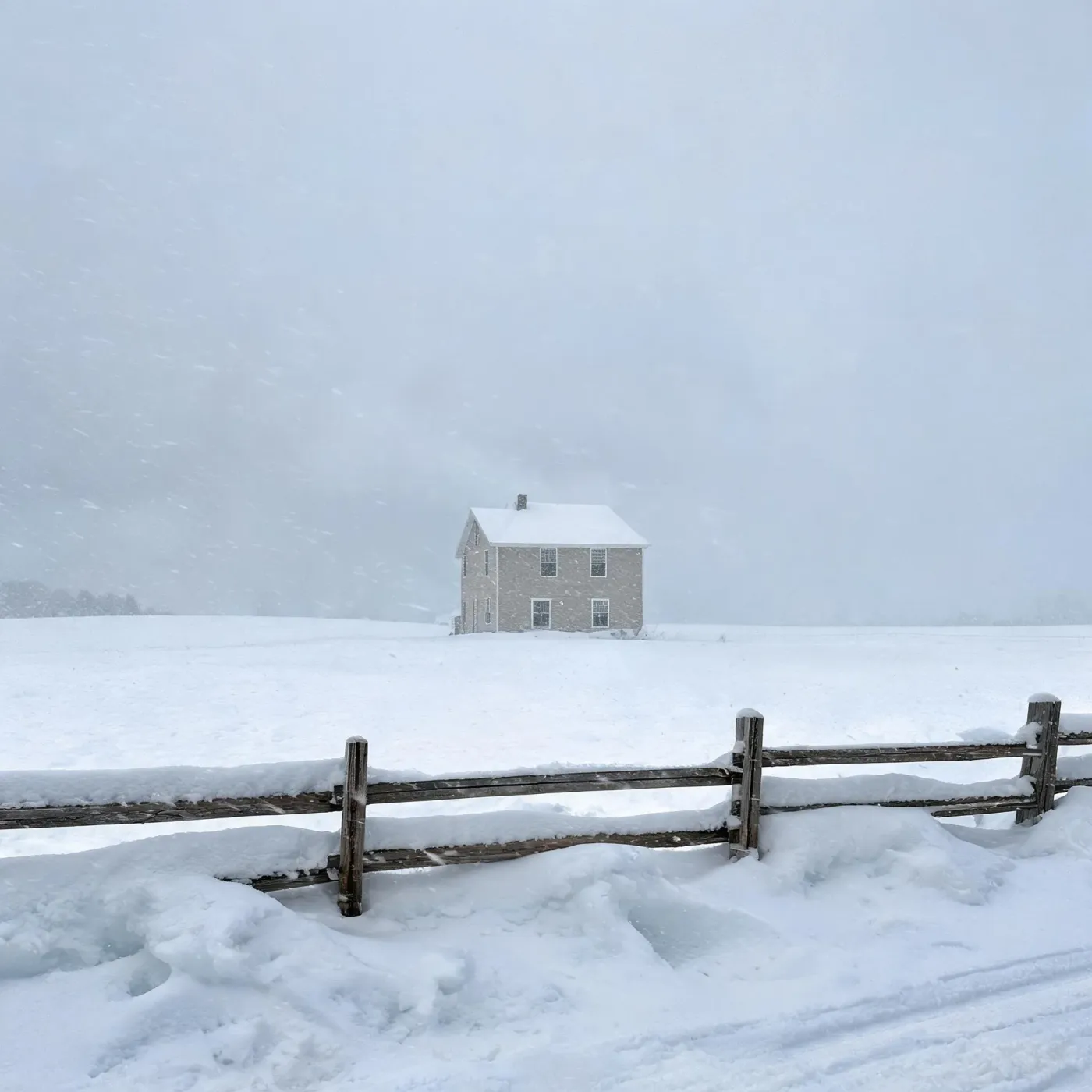
A two-story house with a snow-covered roof and chimney stands alone in a white field during falling snow, with a wooden post-and-rail fence in the foreground.

Winter nights in Shawnee County average 22°F, according to NOAA climate data. That's the cold your furnace is up against every time it cycles on this time of year, not a mild chill it can coast through. When it's running right, it holds a steady flame long enough to keep the house ahead of that cold. When it can't, a 22°F night empties a house fast, and you'll feel it within the hour, not over a few days.

NOAA nClimDiv 1991-2020

Why does my furnace click but not light?

You hear the furnace click, sometimes several times in a row, but no flame follows and no warm air comes. It sounds like it's trying. You're left wondering if it's about to catch or if something's actually stopping it from lighting, especially with the house getting colder while you stand there listening to it try again.

The clicking is the igniter or gas valve trying, and failing, to start the flame

That clicking is the sound of the system trying to do its job. On older furnaces it's the ignitor clicking to spark the pilot. On most furnaces in Shawnee County, which use a hot surface igniter, the clicking is usually the gas valve opening and closing as the system tries to light and fails to detect a flame. Dirt or corrosion on the flame sensor can cause this, or a cracked igniter that glows but doesn't get hot enough to light the gas. Either way, the furnace will keep trying a few times, then lock out as a safety measure. Once it locks out, it won't try again on its own. It needs a reset, and whatever is stopping it from lighting needs to be fixed first.

An older gas furnace with two louvered front panels stands on a concrete basement floor beside galvanized sheet-metal ductwork, pipes, and a weathered concrete wall.
Before you get your furnace repair
A gray high-efficiency furnace in a basement, connected to sheet-metal ductwork on the left and white PVC vent pipes above, with black gas and drain piping and an exposed wood-stud wall with OSB sheathing on the right.
After you get your furnace repair
A gray high-efficiency furnace with white PVC vent pipes stands against a concrete basement wall beside sheet-metal ductwork, a small condensate pump on the floor, and exposed wood framing at left.

The furnace holding steady

This is a high-efficiency furnace venting through PVC pipe instead of a metal flue, with a condensate pump handling the water that produces. Set up right, it fires on cue and moves warm air through the ductwork above it without any strain on the gas lines or the pipe.

A gray sheet-metal furnace with flue pipe and adjacent ductwork stands against a stone basement wall on a concrete floor, with white PVC and metal pipes running nearby.

The furnace under strain

This older furnace vents through corrugated flex tubing and sits against bare stone and block, the kind of basement that's been heating a house for decades. Gas lines and flue pipes aging alongside the unit are more likely to be the reason it's struggling to light or hold a flame.

Winter nights average 22°F

At 22°F, a furnace that quits isn't a minor inconvenience. Your house will drop fast overnight with nothing pushing back against that cold. A short outage during the day is one thing, but losing heat for hours while you sleep is what turns a repair into an emergency.

NOAA nClimDiv 1991-2020

A woman stands in the open doorway of a white stucco house holding the dark door, facing a man in a black cap and shirt seen from behind in the blurred foreground, with a potted flowering plant beside the entry.

When your furnace quits, the fix is calling someone who knows it

Check the thermostat, check the breaker, check the pilot if you have one. If none of that brings the heat back, the problem is inside the furnace, in the igniter, the flame sensor, or the inducer motor, and that's a job for someone who works on these year-round.

A local contractor who services furnaces all over Shawnee County has likely seen your exact model fail this exact way. You'll be matched with one contractor, not a handful calling you back at once, and they'll reach out knowing the kind of winter your furnace is up against here.

Interior corner of a dining room with a round wooden table, a ceramic vase holding olive branches, a dark spindle-back chair near a curtained window, and a sideboard with a lamp against beige walls.
Kitchen corner with cream upper cabinets, oak lower cabinets, white marble-look countertop, beige tile backsplash, a ceramic vase of greenery, a wooden cutting board and bowl, and a black-framed window at right.
Interior corner of a room with a white-framed window and wide sill, beige walls with panel molding, a wooden cabinet holding a ceramic vase with a green leafy plant, and blurred shrubs and trees outside.
A wood-framed armchair with beige cushions and a woven lumbar pillow sits in a corner beside a large window overlooking green trees, with a tall ceramic vase holding leafy branches on the left and plaster walls and wood flooring.
Interior corner with a white-framed window above a sill, beige walls with baseboard molding, a greige shaker-style cabinet with brass knobs and a potted plant on top, light wood flooring and a woven jute rug.
A dark-framed six-pane window with white trim and sill set in gray horizontal lap siding, with hydrangea shrubs below and a white column and shingled roof section at left.

A pro who works on furnaces

Only one pro gets your request, so you hear from one company.

Get a licensed local pro

There's no charge for the request.