Furnace smells like burning in Andover, KS

Send the request today and let a furnace pro reach out to you.

Hand off my repair

A burning smell from your furnace in the first days you run it this fall is usually dust burning off the heat exchanger, and it should clear up within an hour or so. If it keeps up longer than that, or shows up after the furnace has been running fine all winter, something inside is overheating. A clogged filter can starve the burner of air and scorch the heat exchanger. A failing blower motor can overheat and give off a hot, electrical smell rather than a dusty one. Either way, a furnace that smells like it's burning something other than dust needs to be looked at before you run it again, because a cracked heat exchanger can leak carbon monoxide into your home. With winters here in Butler County getting cold enough that you'll run the furnace hard for months, it's worth having someone who works on these furnaces every season take a look and tell you which one it is.

  1. Dust that settled on the heat exchanger over summer starts to burn off

  2. Smoke or an odor comes through the vents with the first heat cycles

  3. The smell fades once that dust layer is gone, usually within the hour

  4. A smell that returns or lingers points to something burning that shouldn't be

Dust Burning Off or Real Trouble

Burning dust smell

  • Shows up the first time you run the furnace after months of sitting idle over summer.
  • Smells like dust or something hot, not sharp or chemical.
  • Clears up on its own within an hour or so of the furnace running.
  • Doesn't come back once that first heat cycle or two has finished.
  • No other symptoms, the furnace heats normally and the burners sound right.

Something's wrong

  • Shows up weeks or months into winter, after the furnace has already run fine for days.
  • Smell is sharp, like burning plastic or metal, or carries a trace of gas.
  • Lasts longer than an hour, or comes back every time the furnace cycles on.
  • Comes with other signs: a burner that won't stay lit, short cycling, or a furnace that trips its breaker.
  • Smell gets stronger over time instead of fading, which points to a part overheating rather than dust burning off.
  • A gas odor alongside the burning smell means the furnace needs to be shut off and looked at before it runs again.
A gray gas furnace stands on a concrete basement floor, connected to sheet-metal ductwork, white PVC vent pipes, and a yellow gas line, with plastic sheeting covering the walls.

A clean start to the season

This is what a furnace looks like when the gas line, the venting and the ductwork were all put in right. Nothing's caked on the cabinet. A system like this can still smell like dust the first time it fires, but that smell has no reason to stick around.

A metal furnace with louvered panels stands against a concrete basement wall, connected to sheet-metal ductwork and a round flue pipe, with wooden framing posts and a pipe nearby.

Years of dust and wear

Dust has built up on this unit over seasons of running. That buildup is exactly what burns off and smells when a furnace this age starts back up. If the smell lingers past the first hour or shows up mid-winter, it's worth having someone look at what's underneath that dust.

Is this smell normal or is something wrong?

You're standing by the vent trying to decide if you need to worry. A burning dust smell on the first cold morning of the year is one thing. A smell that shows up in January, after your furnace has been running fine for weeks, is another. Pay attention to what kind of smell it is too. Dust smells hot and a little sharp, almost like a stovetop burner with something spilled on it. A plastic or electrical smell is different, more acrid, and it means something inside the cabinet is overheating. If you smell gas, a rotten egg odor, leave the house and call the gas company before you do anything else. Left alone, an electrical smell can mean a wiring or blower motor problem that gets worse, and it can shut your furnace down on a night you need it most.

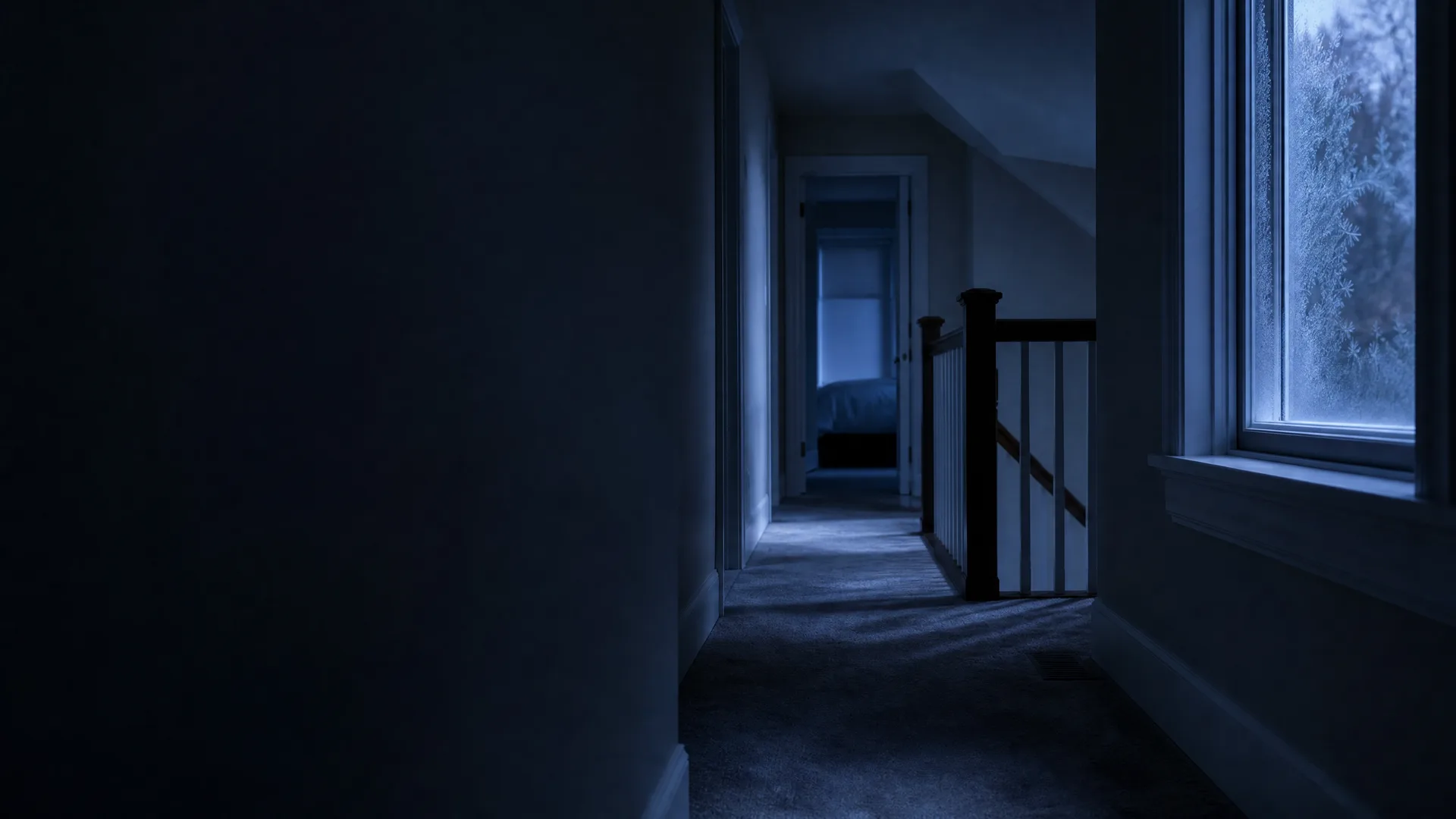
A dim carpeted upstairs hallway at night, with a stair railing on the right, a frosted window letting in blue light, and an open doorway to a bedroom at the end.

It is just past two in the morning in January, and the house is quiet except for the cold. You wake up for no reason you can name and walk out into the upstairs hallway. The vents aren't blowing. No warm air, no sound from the registers, nothing. Frost has crept up the edges of the hallway window, and the glass is a dull blue in the dark. You stand there in the cold air, feeling for a draft from the vent that isn't coming, and you catch it then, that same burning smell from a week ago, except the furnace already ran fine for weeks before tonight. You check the thermostat. It's set right. The house keeps getting colder.
Let someone else find the pro

A licensed pro who works in Butler County gets your request.

You only hire the pro if you want to.

What a heat exchanger actually does

Your furnace pulls air from the house, warms it by running it past the heat exchanger, and pushes it back out through the ducts. The flame never touches that air. It heats the metal, and the metal heats the air passing over it. Dust that settled on the exchanger over the summer sits right in that airflow, so the first heat cycles burn it off and the smell rides along with the warm air into every room. Once that layer is gone, there's nothing left to burn, and nothing in a working exchanger produces that smell again.

Why a cracked exchanger smells different

A crack in the heat exchanger lets combustion gas leak into the air your furnace is pushing through the house, instead of keeping it sealed inside the vent system where it belongs. That gas carries its own sharp, chemical smell, nothing like burning dust. It won't fade after an hour because the crack doesn't close up on its own. A furnace that's been heating your house fine for weeks shouldn't suddenly pick up a new smell. If it does, that points to the metal itself, not a layer of dust.

How much does your furnace actually run in Andover?

  • Winter nights average 24°F

    Winter nights here average 24°F. That kind of cold means long burner cycles, and a long cycle gives a lingering smell more time to show it's not just dust.

  • Heat runs October through April

    Furnaces in Butler County run about seven months a year, October through April. That's seven months for dust, a cracked exchanger or a bad igniter to make itself known.

  • 55.7% of homes heat with gas

    55.7% of homes in Butler County heat with gas, more than any other fuel. A gas furnace burning something besides dust is worth a closer look, not a guess.

NOAA nClimDiv 1991-2020 · ACS 2020-2024

What the smell is telling you

  • A burning dust smell in the first hour of fall's first heat cycle is normal and should clear on its own.
  • A smell that lasts past an hour, or shows up mid-winter after the furnace has run fine for months, is not dust.
  • Sharp, chemical or acrid odors point to a wiring or electrical problem, not a dusty heat exchanger.
  • Winter nights in Butler County average 24 degrees, and that cold means long burner cycles that give a real problem time to show itself.
  • A furnace that's run seven months out of the year has had plenty of chances for a cracked heat exchanger or failing part to wear further.
  • Knowing which kind of smell you have tells you whether to wait it out or get it looked at now.

The smell itself is the answer, if you read it right. Dust burning off a heat exchanger smells like dust and hot metal, not like something electrical, and it backs off as that first hour passes. That's the furnace doing what it does every fall after sitting idle all summer. A smell that's sharp or acrid, or that shows up after your furnace has already been running fine for weeks, is a different thing entirely. That's wiring, or a part under strain, not dust settling off a surface.

Butler County winters give a problem plenty of room to show itself. Nights averaging 24 degrees mean long burner cycles, and a furnace running seven months out of the year has been through enough cycles for a cracked heat exchanger or a failing part to make itself known. If the smell lines up with the first fire of the season and fades within the hour, you're fine. If it lingers, comes back, or smells wrong in a way dust doesn't, that's a furnace telling you something is wearing out, not settling down.

You don't need to guess at which one you have. The timing and the smell itself are the test. First hour of the season, dusty smell, gone soon after: that's normal. Any other pattern is worth having someone look at before a cold night turns a small problem into a house with no heat.

A woman and a child wrapped together in a thick knitted blanket on a sofa, both with eyes closed, with a lit table lamp and houseplant in the dim background.
A smiling older woman with gray hair in a cream knit sweater stands in a dimly lit kitchen beside a window showing snow outside, with a round loaf of bread on the counter in the foreground.

Furnace Repair

One request and it's handed off

Your request stays with one local pro.

A black smartphone standing upright against a plain light gray background, its screen filled with solid green.
Step 1 of 3: Equipment