Tell us about the job
Takes about a minute. No obligation.
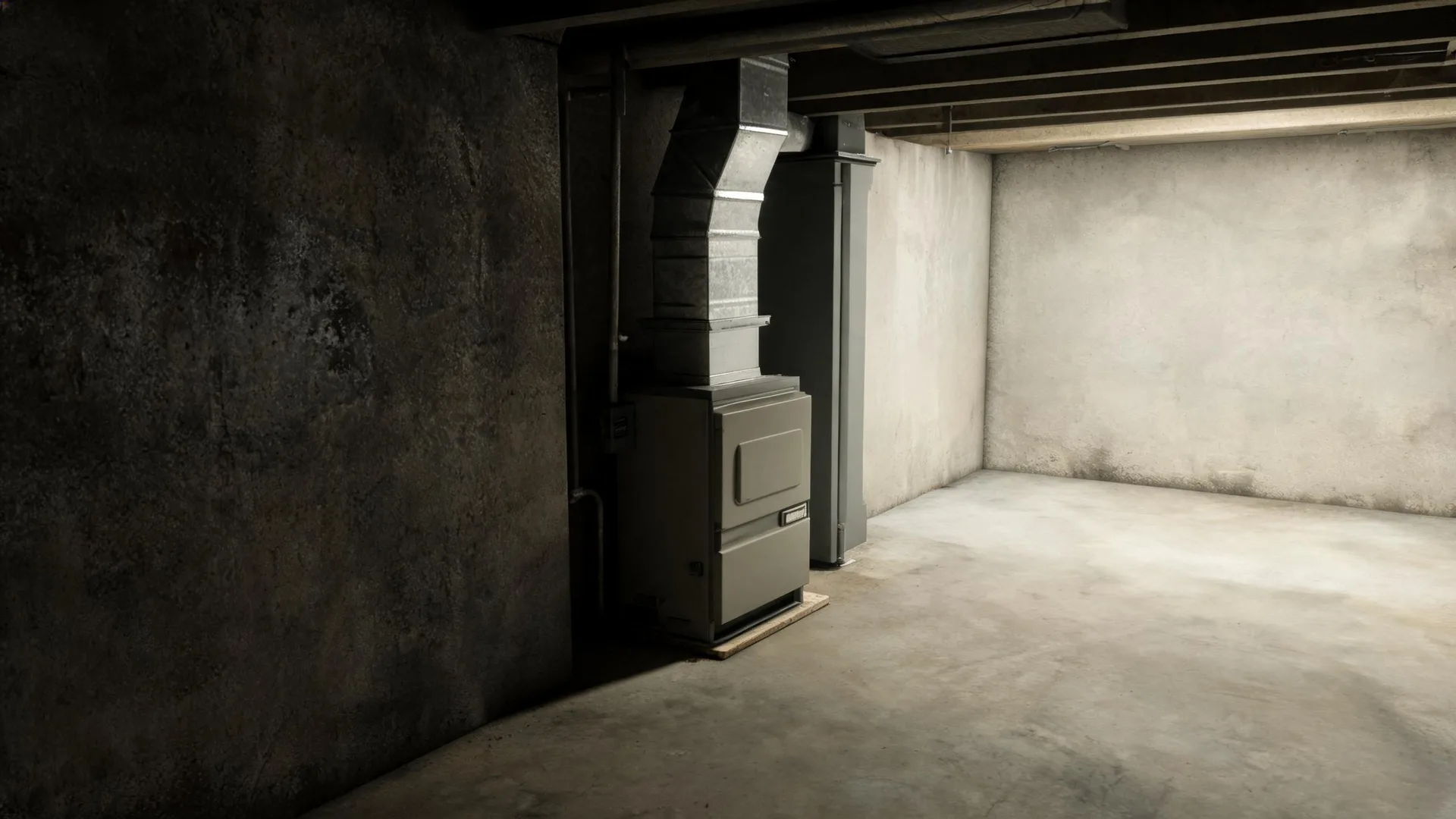
A furnace repair in Sedgwick County starts with the parts that earn the most wear: the igniter, the heat exchanger, and the burner assembly. Homes in Sedgwick County, KS run heat about seven months a year, from October through April. Cycling through that many months, the igniter degrades incrementally with each startup, and cracks in the heat exchanger that would take years to develop in a milder climate appear sooner here. A contractor quoting a repair will pressure-test the exchanger and test igniter resistance before pricing anything else, because those are the components the season loads hardest.
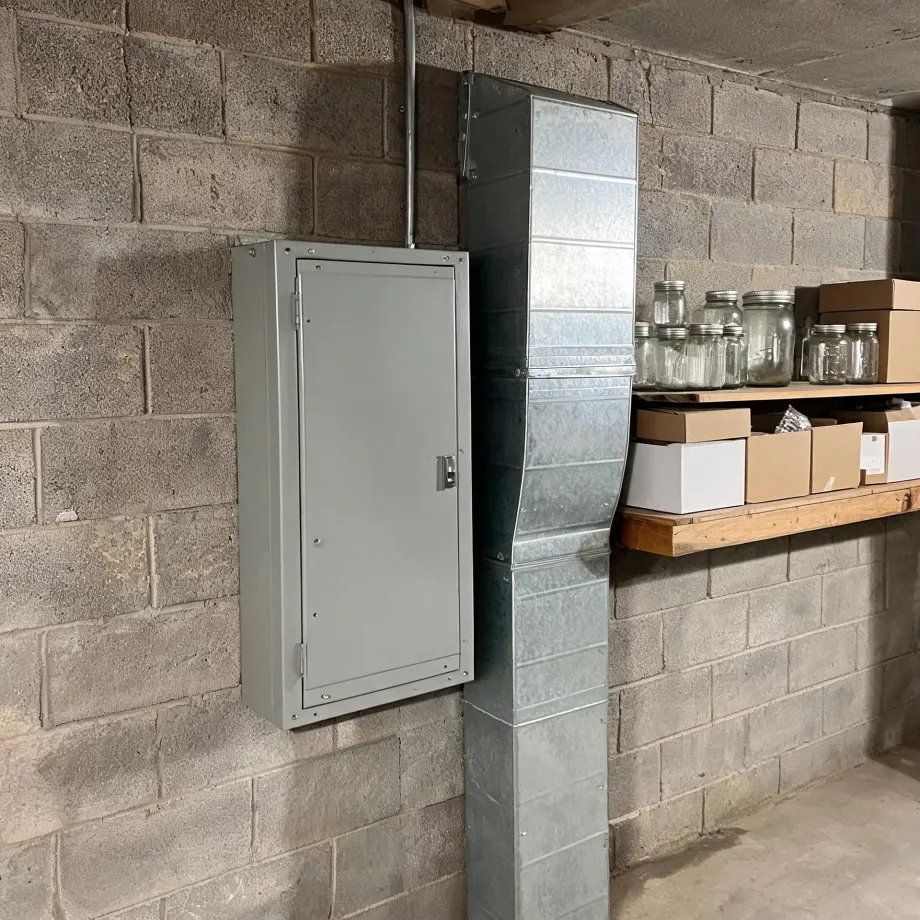
Half the homes in Sedgwick County, Kansas were built in 1978 or earlier (2020-2024 ACS 5-year). A furnace running in a house that old has almost certainly been replaced at least once, but the infrastructure around it carries the history of whatever came before. When a contractor opens the unit, what matters is what they find inside it: whether the heat exchanger has cracked, whether the control board takes a part that is still manufactured, whether the burners are fouled in a way that cleaning fixes or a way that signals something deeper. Those findings, not the age of the walls around the furnace, are what determine how the repair goes and what it costs.
The Parts of a Furnace a Contractor Checks First
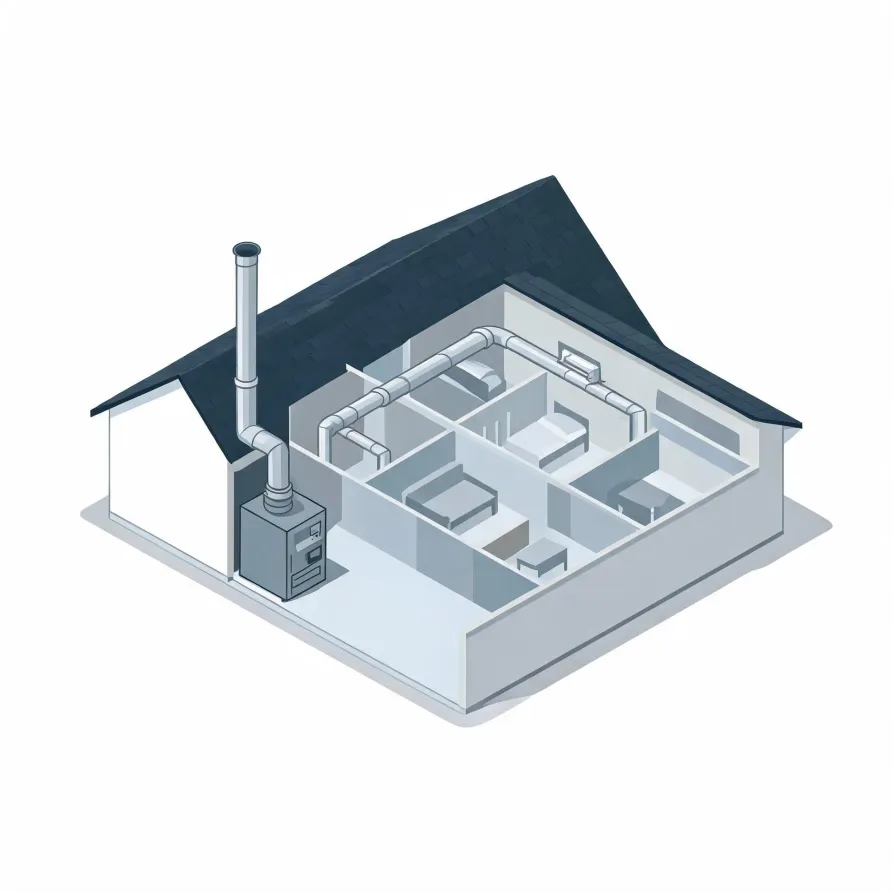
The heat exchanger sits inside the furnace cabinet in the mechanical room or utility space and is the piece a contractor looks at early. Cracks or corrosion there affect both heating output and air safety. The burner assembly, also inside the cabinet, is where ignition happens, and a failed igniter or dirty burner is one of the most common reasons a furnace stops producing heat.
The blower motor sits at the base of the cabinet and pushes conditioned air into the supply side of the system. The flue or vent pipe runs from the top of the furnace to an exterior wall or roofline, carrying combustion gases out. The control board ties all of it together and is where a contractor reads fault codes when the system behaves unpredictably.
The drawing shows a general layout of these components, and a licensed contractor will determine which parts apply and what work is needed in your specific home.
Get matched in Sedgwick CountySedgwick County, by the numbers
620 severe weather events were recorded in Sedgwick County, Kansas between 2015 and 2024.
NOAA National Centers for Environmental Information, Storm Events Database, bulk CSV export, events 2015-01-01 through 2024-12-31.Half the homes in Sedgwick County, Kansas were built in 1978 or earlier (2020-2024 ACS 5-year).
U.S. Census Bureau, 2020-2024 American Community Survey 5-Year EstimatesSedgwick County, Kansas holds 227,638 housing units (2020-2024 ACS 5-year).
U.S. Census Bureau, 2020-2024 American Community Survey 5-Year EstimatesOwners occupy 63.1% of the occupied homes in Sedgwick County, Kansas (2020-2024 ACS 5-year).
U.S. Census Bureau, 2020-2024 American Community Survey 5-Year EstimatesFurnace Repair Rules on the Books in Sedgwick County, Kansas4 codes, standards & laws
What Happens When a Contractor Comes Out
Non-weatherized gas furnaces manufactured on or after November 19, 2015 must reach 80.0 percent AFUE.
Non-weatherized oil-fired furnaces manufactured on or after November 19, 2015 must reach 83.0 percent AFUE.
Mobile home gas furnaces manufactured on or after November 19, 2015 must reach 80.0 percent AFUE.
Non-weatherized gas furnaces manufactured on or after December 18, 2028 must reach 95.0 percent AFUE, up from the 80.0 percent minimum that applies to units manufactured before that date.
Severe Weather Events in Sedgwick County
Kansas weather puts real strain on furnaces. Hard conditions drive heating systems harder, and equipment that runs hard wears faster, which is why repair demand in Sedgwick County follows what the weather does.
620 severe weather events, 2015–2024. Source: NOAA National Centers for Environmental Information, Storm Events Database.