Furnace making a loud noise in Andover, KS
Why is my furnace making a loud noise?
A loud noise from the furnace is unsettling, especially once the cold sets in around Andover and the system is running for hours at a stretch. You want to know if this is something to watch or something to shut off and call about, and whether it points to a part wearing out or something more serious with the gas or the blower.
It usually means a part has worked loose, worn down or is about to fail
A bang when the furnace starts usually means gas built up before the igniter caught, which points to a dirty burner or a failing igniter. A squeal or grinding points to the blower motor or its bearings. Rattling is often a loose panel or a screw that worked free, but it can also be the blower wheel hitting something it shouldn't. Butler County furnaces run hard and long once it turns cold, and that stretch of steady use is when a weak part finally gives out. A furnace that just started making noise after running fine for weeks has usually crossed from worn to failing. It's worth having someone look at it before it stops heating altogether on a cold night.
What a bang on startup means
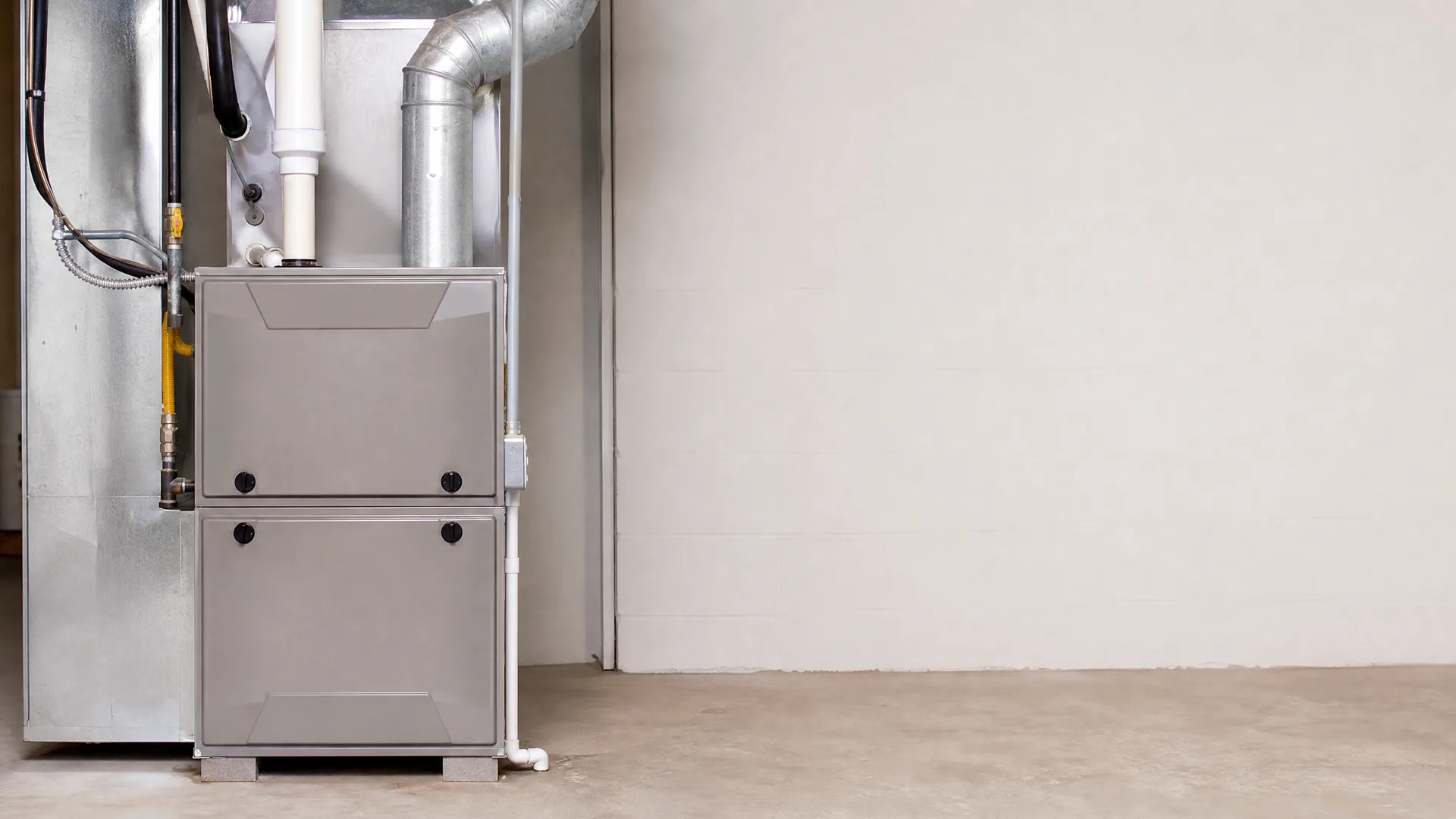
A loud bang when the furnace kicks on usually means gas has pooled in the burner chamber before it lights, then ignites all at once instead of catching smoothly. A dirty burner or a failing igniter can cause the delay. This isn't something to wait out. Each time it happens, the small explosion puts stress on the heat exchanger, and that's a part you don't want cracked. A furnace doing this needs a licensed technician to look at the burners and ignition system before you run it again.
Squealing and rattling mean different things
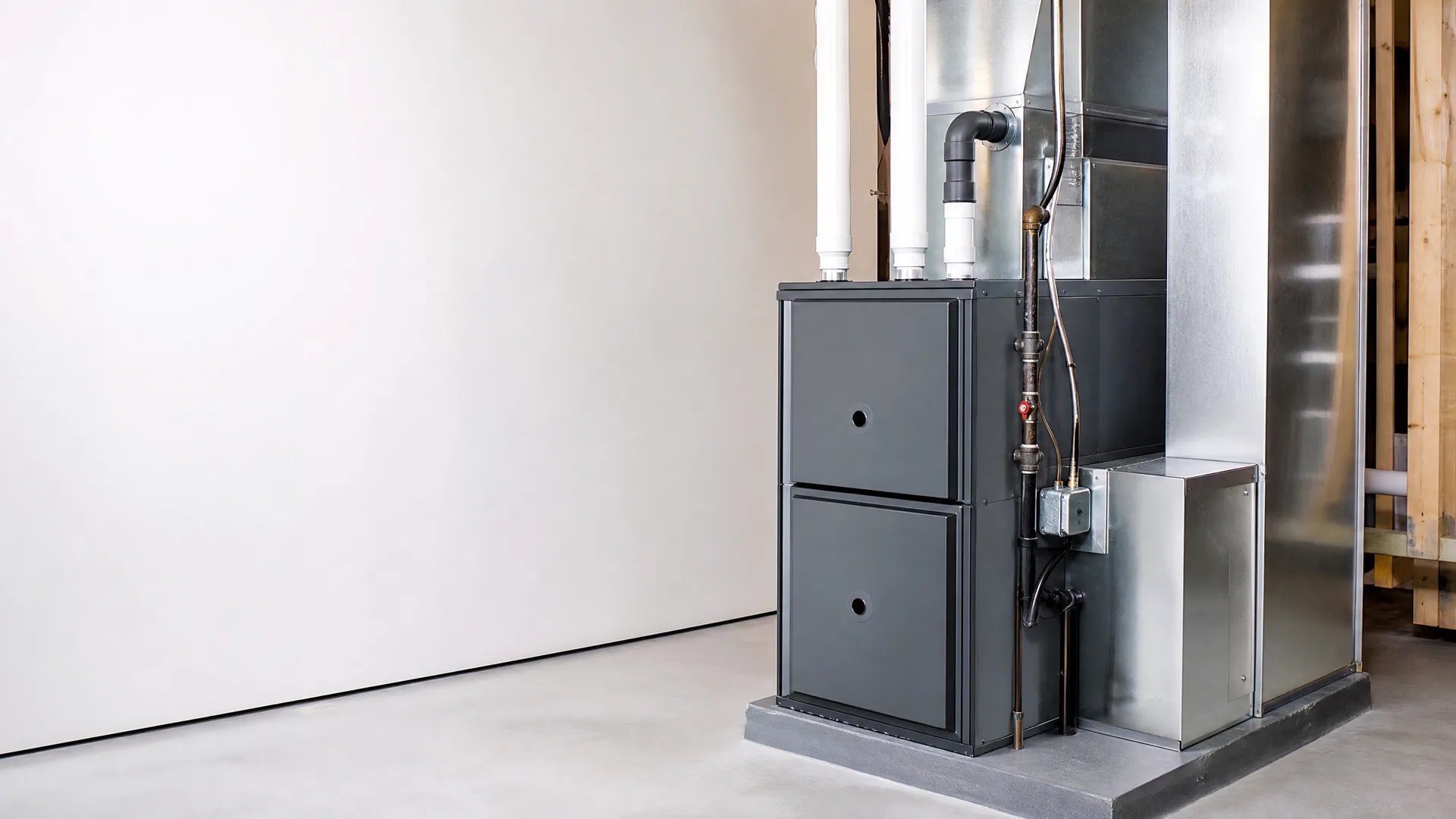
A squeal usually points to the blower motor bearings or belt wear, though most furnaces built in the last couple decades run direct drive with no belt at all. A rattle is more often a loose panel, duct connection, or a part worn enough to vibrate against the cabinet. Neither tells you exactly what's worn without someone opening the unit up. Butler County winters mean this furnace runs for hours at a stretch most days from December through February, and a loose or worn part under that kind of steady use tends to get worse, not better, on its own.

What it means for your house
A furnace that bangs or rattles every time it starts is doing that on every cycle, not just the one you happened to hear. Through a Butler County winter, that could mean dozens of cycles a day once the temperature drops and the system is running for hours at a stretch. Each one puts the same stress on the heat exchanger or the blower, and small damage adds up in a system that runs this much.
If your furnace came with the house, you likely don't know its full service history, and a noise like this is worth having someone look at rather than guessing. A contractor local to Andover who works on furnaces all winter can tell you quickly whether it's a part worth repairing or a sign of something more serious, and because you'd be matched with one contractor who knows this equipment, you're not stuck explaining the problem to several different companies before someone gives you a straight answer.





The right pro for this job
A banging or rattling furnace is not something to keep listening to and hoping it settles down. Once it is doing that on startup, it will keep doing it on every cycle until someone opens the cabinet and finds the actual cause, whether that is a dirty burner, a cracked mount, or something loose in the blower. That takes a trained eye, not a guess over the phone. Getting matched with a licensed contractor who works in Butler County puts this in front of someone who hears these furnaces every winter and knows what tends to fail first in them. Your request goes to one contractor, not several, so you are not fielding calls from companies you never asked to hear from. With cold weather settling in around Andover and the furnace running for hours most days, this is worth sorting out before the noise turns into a furnace that will not start at all.
What the sound tells you
- A squeal at startup usually points to the blower motor bearing or a belt, though most residential furnaces today run belt-free.
- A grinding or rattling sound while the blower runs often means a loose blower wheel or a motor that needs a new bearing.
- A metallic scraping noise can mean the blower wheel is hitting the housing because a mounting screw or bracket has worked loose.
- A rhythmic clicking after the furnace shuts off is usually just the metal ductwork contracting as it cools, not a sign of trouble.
- A loud hum or buzz from the cabinet can mean a failing transformer or a contactor that is starting to stick.
- A whistling sound near the cabinet often means air is being pulled through a gap instead of through the filter or return properly.
Every noise a furnace makes points to a specific place in the system, and the pitch usually tells you which part before anyone opens the cabinet. A squeal is friction somewhere a bearing should be turning smoothly instead. Most furnaces installed in homes around Andover in the last couple decades run direct-drive, so there is no belt to slip, which narrows a squeal down to the blower motor itself. A grinding sound while the blower is running means something is loose enough to make contact it shouldn't, and that is different from a scrape, which usually means the wheel has shifted inside its housing and is catching metal on metal with every rotation. Neither gets better by running the furnace less. Clicking that happens after the burners shut off and the air stops moving is usually just the ductwork cooling and contracting, the metal settling back to its resting shape, and that one is normal in most houses. A hum or buzz coming from inside the cabinet, not the ducts, points to an electrical part working harder than it should, often the transformer or the contactor. Whistling is different from all of these because it is not a part failing, it is air finding a gap somewhere it is not supposed to be and moving through that gap instead of through the filter or the return the way it was designed to.
Why does a noisy furnace matter more once winter sets in here?
Winter nights average 24°F
Winter nights here average 24°F. A furnace carrying that load through the night has no slack for a part that bangs or grinds on every cycle.
Heat runs October through April
Heat runs October through April in Butler County, about seven months. A noise that starts now has a long season to get worse before spring.
55.7% of homes heat with gas
55.7% of homes in Butler County heat with gas. A furnace that bangs on startup is usually burning gas before it lights, which is a gas furnace problem, not a quirk of your particular unit.
NOAA nClimDiv 1991-2020 · ACS 2020-2024
A loud noise from your furnace almost always traces back to one part: a dirty burner, a failing igniter, a loose blower wheel, or a motor bearing giving out. None of those get better by waiting through another cold night in Andover. Finding which one it is means opening the cabinet and looking, which is work for someone who does it on furnaces like yours every winter, not just this once. A local contractor who services Butler County homes all season has likely already seen your model bang on startup or grind at the blower, and knows where to look first instead of guessing. You get matched with one contractor, not a handful calling you back at once, so the person who shows up is the one who takes the job from diagnosis through to the repair. That is what settles a noisy furnace for good: someone qualified getting to the actual cause, not just the sound of it.




Matched to your furnace job
Your request goes to one pro, not a list of companies.
Asking costs nothing, and the choice to hire stays yours.