
Skip calling around
Furnace carbon monoxide signs in Kansas
A furnace that's spilling carbon monoxide doesn't always announce itself with an alarm. Soot near the vent hood, a yellow flame instead of blue, a headache that only shows up at home. This page walks through what to look for in a gas furnace and what each sign actually means. If something checks out wrong, you still need a furnace repair contractor, not another hour of searching and explaining the problem to one company after another.
Skip the callsA furnace leaking carbon monoxide usually shows itself in small signs before anything dangerous builds up. Look for soot staining around the vent hood, a burner flame that's yellow or flickering instead of steady blue, or a thin film of moisture on nearby windows when the furnace runs. Rust on the flue pipe or a flue that's come loose at a joint lets exhaust spill into the house instead of venting outside. Inside, the signs show up in people, not just the equipment: headaches, nausea, or feeling drowsy only when you're home, easing up once you're outside. Most Kansas homes heat with gas, so this furnace runs hard from the first cold snap through the end of winter, and a cracked heat exchanger or blocked vent gets worse the longer it runs. A carbon monoxide alarm sounding means leave the house and get the furnace checked before it runs again.
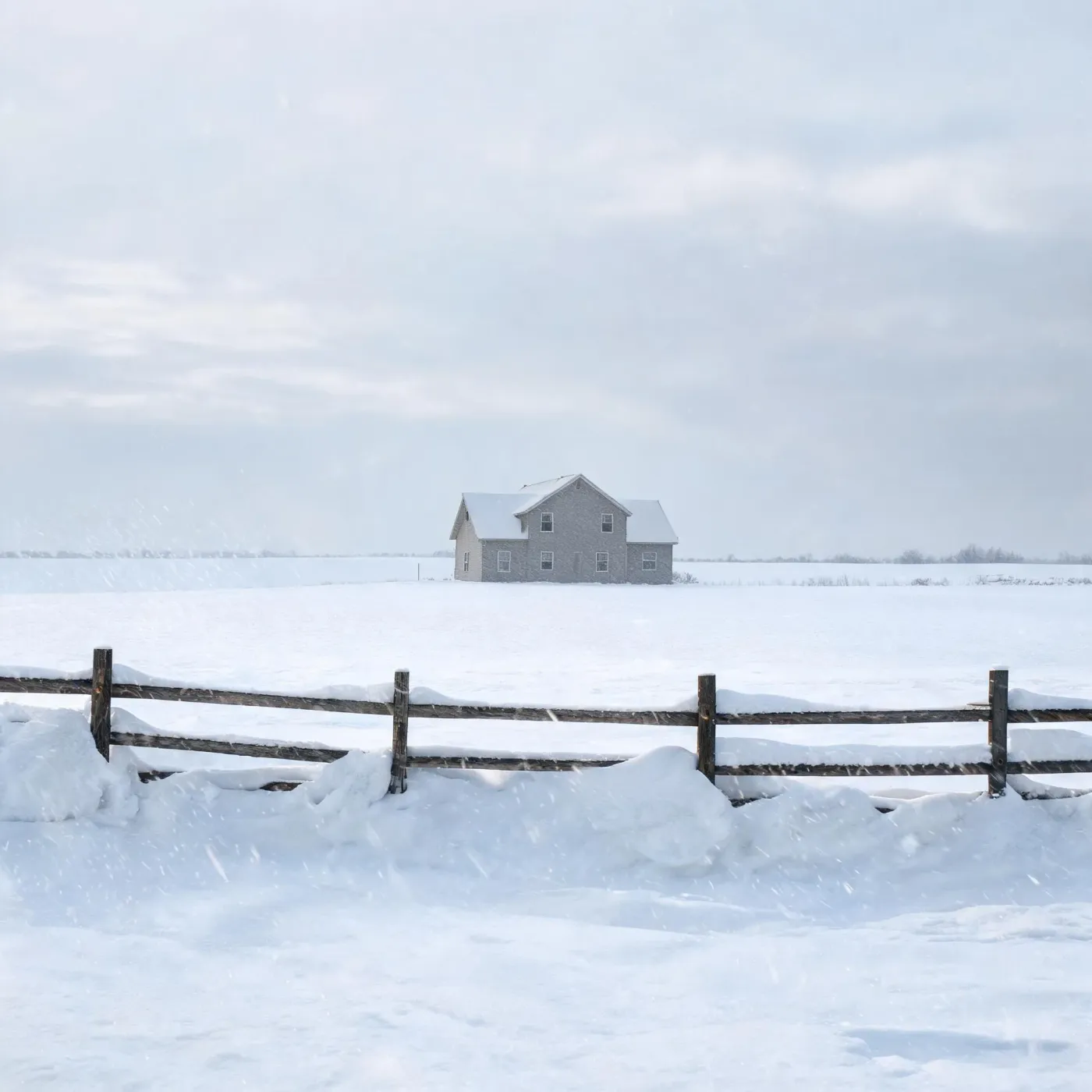
Winter nights average 23°F across Kansas, according to NOAA climate data. That kind of cold means your furnace is running long stretches through the night, not just short cycles, to keep the house warm. The longer it runs, the more it depends on a clean burn and a vent system that's actually doing its job pulling exhaust outside. A furnace working that hard for hours at a time is also a furnace that will show wear faster, whether that's a cracked heat exchanger or a vent pipe coming loose at a joint. Those are the kinds of problems that let carbon monoxide back into the house instead of sending it outside, so a furnace under steady strain on a cold night is worth paying closer attention to.
NOAA nClimDiv 1991-2020 county normals weighted by homes
Why does everyone in the house seem tired lately
Carbon monoxide at low levels doesn't look like much. You might notice everyone's a little foggy in the morning, or someone keeps getting headaches that ease up once they leave for work or school. Pets can seem off too, more tired than usual, or sick without a clear reason. Check for a stale, slightly metallic smell near the furnace closet, or streaks of soot around the burner compartment. Condensation building up on windows near the vent isn't normal either. None of these alone means you have a gas leak, but together, or if they keep showing up through the winter, they point to a furnace that isn't burning gas cleanly, and that's not something to wait out.

Two in the morning, and the house is quiet in a way that isn't right. You wake up for no reason you can name. The hallway outside the bedroom is cold, colder than it should be with the furnace supposedly running. No air moving at the floor vent. Outside the window at the end of the hall, frost has crept in from the edges of the glass, and the yard beyond it is that flat blue that comes before dawn in January. You stand there a second, listening for the furnace to kick on. It doesn't. Somewhere below, the burner that's supposed to be keeping this house at 23°F-outside-safe has gone quiet, and you don't yet know why.
Why does my pilot light look yellow instead of blue
Why does my pilot light look yellow instead of blue
A yellow flame means the gas isn't burning clean
A gas flame burning correctly gets enough air mixed in to burn blue, steady, and almost without sound. Yellow or orange means the burner isn't getting enough air, or there's dirt or rust interfering with the flame. That incomplete burn is what produces carbon monoxide instead of just heat and water vapor. A flame that flickers, leans to one side, or throws soot onto nearby metal is telling you the same thing. None of this fixes itself. A furnace burning yellow needs a technician to clean the burner assembly and check the vent, because the flame color is a symptom of a combustion problem, not the problem itself.




Describe it once
If you've spotted soot by the vent hood, a yellow flame, or a headache that lifts the second you leave the house, the furnace needs a look before the next cold night, not after. Tracking down who does this kind of work means calling a few places, describing the same symptoms each time, then weighing quotes against each other while the furnace keeps running the way it has been. That takes time you may not want to spend on something tied to carbon monoxide. Submitting this request sends your situation to one licensed contractor working in Kansas, someone who deals with gas furnaces all winter and knows how a cracked heat exchanger or a dirty burner shows up in a house like yours. No describing the problem five separate times, no sorting through competing bids. Just one call, from someone who already knows what you're dealing with before they walk in.


Detector or Watching for Signs
A working detector
- A carbon monoxide alarm with a digital readout tells you a number, not just a beep, so you know if levels are rising even slowly.
- Placed near sleeping areas, it can wake you before symptoms do, which matters most for the hours you're not awake to notice a headache.
- Battery-powered models keep working if the furnace trips a breaker or the power drops during a cold snap.
- They don't stop CO from forming. A cracked heat exchanger or a blocked flue still needs a furnace technician to find and fix.
- A detector that's past its own listed lifespan can fail quietly, so the date on the back matters as much as the batteries inside.
Watching for the signs
- Soot around the vent hood, a yellow flame, or moisture fogging nearby windows can show up before any alarm would trigger.
- These signs depend on someone noticing them. A flame behind a closed furnace panel or a vent hood you rarely look at can go unchecked for weeks.
- Headaches that ease up once you leave the house are a real clue, but they're easy to blame on something else first.
- Watching works best alongside a detector, not instead of one, since some signs only show up once CO has already been leaking a while.
- Spotting a sign tells you something's wrong. It doesn't tell you whether it's the heat exchanger, the burner, or the venting, and that takes someone who works on furnaces to trace.

The heat exchanger cracks quietly
A furnace splits the burner flame from the air that circulates through your house with a metal heat exchanger. Heat passes through its walls, but the exhaust stays separate from the air headed to your vents. When that metal cracks from years of heating and cooling, combustion gas can mix into the air a blower pushes through the house. There's no sound when it happens and no visible damage from outside the cabinet.

Blocked venting backs up fast
Furnace exhaust is supposed to rise through a flue pipe and leave the house entirely. A bird's nest, a crushed section of pipe, or even a hard frost sealing the vent cap can block that path. When it's blocked, the gas has nowhere to go but back into the furnace room or the ductwork. This happens more in homes where the flue runs through an unheated attic or alongside an exterior wall, where cold and debris both reach it.
Winter nights average 23°F statewide
With nights averaging 23°F, a furnace in a Kansas home is pushing hard most of the night, not cycling on and off. A burner that runs that long needs good airflow and a clean exchanger to keep doing it safely night after night.
NOAA nClimDiv 1991-2020 county normals weighted by homes
What to do with what you've found
- Soot by the vent hood, a yellow burner flame, or headaches that ease once you leave the house are the signs to act on.
- A cracked heat exchanger or a blocked vent won't fix itself, and it gets worse the longer the furnace keeps running through a Kansas winter night.
- A local contractor who services furnaces all season already knows which parts tend to fail in this kind of cold.
- Sending the job to one licensed contractor means you explain the problem once, not several times to several companies.
- A working carbon monoxide alarm near where you sleep still matters even after the furnace gets checked out.
Soot on the vent hood, a yellow flame, headaches that lift once you're out of the house. None of these happen by accident, and none of them go away on their own. A cracked heat exchanger stays cracked. A blocked vent stays blocked. Through a Kansas winter night, with the furnace running long stretches to keep up with the cold, that's not a problem that waits for a convenient weekend.
What you need isn't a guess about what's wrong. It's someone who can look at your furnace and tell you, from having seen the same failure in other furnaces this same winter, what's actually happening in yours. A contractor who services furnaces all season in this area has already run into the exchanger that cracked after years of hard cycling, the vent that got blocked by nesting or ice, the burner that's pulling bad air because something upstream shifted. That's not guesswork. That's knowing what tends to fail when a furnace runs the way furnaces run here.
Finding that person usually means calling around, describing the same soot and the same flame color to three or four different companies, then sorting through what each one tells you. Here, that work collapses into one call, to one licensed contractor who takes it from there. You explain it once. You get a licensed person who stands behind the inspection, not a stack of quotes to compare.
A furnace that's checked out is safer. A carbon monoxide alarm near where you sleep is still worth having either way.

Furnace Repair
No phone calls to make

- Describe your furnace job, and a local pro who handles it gets in touch.
- Say what's going on with your furnace, and a pro who works on them reaches out.

- Send the request today and stop worrying about who to call.
- Send the request and finding a pro stops being your problem.

- Skip searching for a furnace pro and answer a few questions instead.
- One form replaces the calls you'd make to find a furnace pro.

- Only one pro gets your request, so you hear from one company.
- Your request stays with one local pro.